




Definition and Meaning
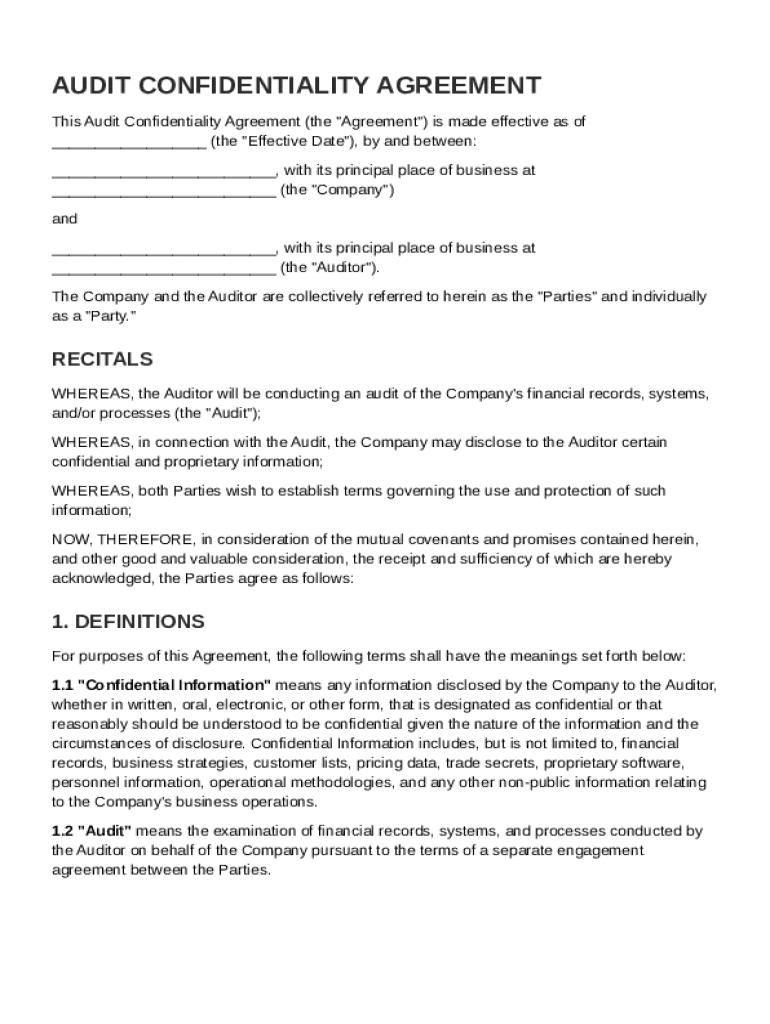
An Audit Confidentiality Agreement Template is a legal document that serves as a binding contract between a company and an auditor. The agreement outlines the terms under which the auditor will access and review the company's sensitive financial records while ensuring that all proprietary and confidential information is protected. It sets clear expectations regarding confidentiality obligations, permissible disclosures, and consequences for breach. This template is crucial for maintaining trust and legal compliance between parties, particularly in regulatory environments where confidentiality is paramount.
How to Use the Audit Confidentiality Agreement Template
Using an Audit Confidentiality Agreement Template involves several steps to customize and implement the document properly:
- Review the Template: Thoroughly examine the entire template to understand each clause and its implications.
- Customize the Details: Input specific details such as the names of the parties involved, the scope of the audit, and any unique confidentiality requirements.
- Define Confidential Information: Clearly list what constitutes confidential information to eliminate ambiguity.
- Specify Duration: Establish how long the confidentiality obligations will last after the audit concludes.
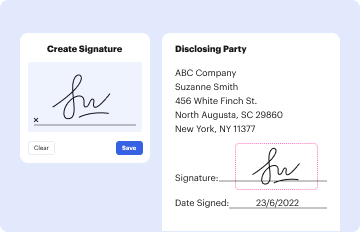
- Signatures: Ensure both parties sign the document to make it legally binding.
Key Elements of the Audit Confidentiality Agreement Template
The template typically includes essential components to ensure comprehensive coverage:
- Definitions Section: Clarifies key terms, including "Confidential Information" and "Permitted Disclosures."
- Confidentiality Obligations: Explains what actions are required to protect confidential information and outlines what constitutes a breach.
- Exceptions: Lists scenarios where disclosure may be legally mandated, such as court orders.
- Duration of Obligations: Provides a timeframe for how long confidentiality must be maintained.
- Return or Destruction of Information: Details procedures for handling documents post-audit.
- Indemnification Clauses: Specifies liabilities and obligations regarding potential breaches.
- Governing Law: Indicates which jurisdiction’s laws govern the agreement.
Steps to Complete the Audit Confidentiality Agreement Template
- Gather Necessary Information: Collect all relevant details about the parties and the scope of work.
- Customize the Document: Tailor the template to fit the specifics of your audit situation.
- Obtain Legal Review: Have the document reviewed by legal counsel to ensure compliance with applicable laws.
- Distribute to Both Parties: Send the modified template to both parties for review.
- Sign and Date: Both parties should sign and date the document to effectuate it.
Who Typically Uses the Audit Confidentiality Agreement Template
Various entities and individuals need to utilize this template, including:
- Companies and Corporations: Engaging external auditors to review financial practices.
- Independent Auditors: Performing audit services for clients.
- Legal Departments: Managing corporate legal compliance.
- Financial Advisors: Overseeing financial audits and maintaining confidentiality.
- Governance Boards: Ensuring audits align with organizational policies.

Legal Use of the Audit Confidentiality Agreement Template
The legality of the audit confidentiality agreement is critical for protecting sensitive information. Key legal use cases include:
- Regulatory Compliance: Ensuring the audit process adheres to legal standards and regulations.
- Conflict Resolution: Providing a legal framework for resolving disputes related to information disclosure.
- Confidentiality Assurance: Protecting trade secrets and proprietary information from unauthorized use or disclosure.
Examples of Using the Audit Confidentiality Agreement Template
Real-world scenarios of using the template include:
- Corporate Audits: A corporation hiring an external firm to audit its finances uses the agreement to protect its trade secrets.
- Financial Forensics: A company employing forensic auditors for fraud detection employs the template to limit information access.
- Due Diligence: During mergers and acquisitions, parties use the agreement to secure sensitive data exchanged in the auditing process.
Important Terms Related to the Audit Confidentiality Agreement Template
Understanding key terms within the agreement is vital:
- Confidential Information: Data exchanged during the audit that must not be disclosed.
- Permitted Disclosures: Conditions under which revealing information is allowed.
- Term and Termination: Duration of obligations and conditions for ending the agreement.
- Indemnification: Legal and financial protection clauses assigned to breaches or violations.
- Jurisdiction: Legal authority governing the agreement, crucial for dispute resolution.
By utilizing these blocks, the content provides a comprehensive understanding of the Audit Confidentiality Agreement Template, including its purpose, usage, legal standing, and practical application in various scenarios.