




01. Edit your form online
Type text, add images, blackout confidential details, add comments, highlights and more.

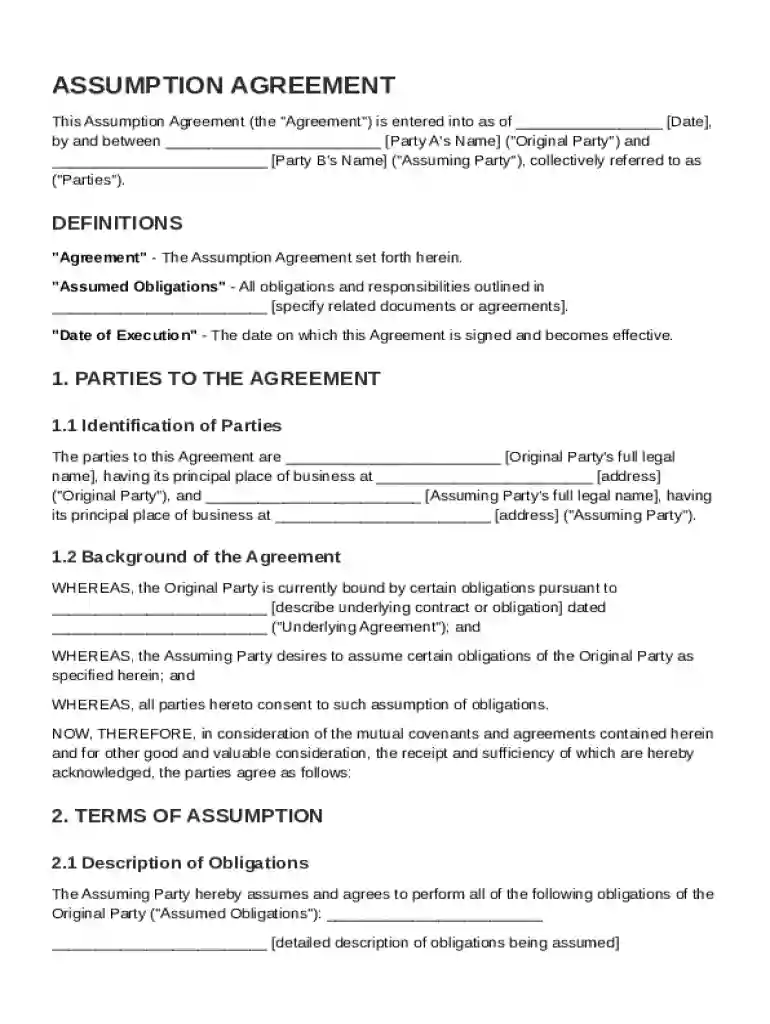
Type text, add images, blackout confidential details, add comments, highlights and more.

Draw your signature, type it, upload its image, or use your mobile device as a signature pad.

Send it via email, link, or fax. You can also download it, export it or print it out.
An Assumption Agreement is a legally binding document between two parties: the Original Party, who initially held the obligations, and the Assuming Party, who takes on these specific obligations as detailed in the agreement. This contract ensures a seamless transition of duties, with the Assuming Party formally agreeing to shoulder certain responsibilities originally held by the Original Party. The document typically includes definitions, terms of assumption, representations, warranties, indemnification clauses, governing law, and various miscellaneous provisions. By addressing these areas, the Assumption Agreement aims to protect both parties from potential liabilities associated with the assumed obligations.
An Assumption Agreement Template encompasses several critical components designed to ensure clarity and legal validity. These elements include:
Definitions: Specific terms defined to provide clarity and prevent misinterpretations.
Terms of Assumption: Details the obligations the Assuming Party will take on and any conditions associated with these duties.
Representations and Warranties: Statements of fact made by both parties ensuring the validity and legality of the agreement.
Indemnification Clauses: Provisions that outline how liabilities will be managed and allocated between the parties if issues arise.
Governing Law: Specifies the jurisdiction under which the agreement will be interpreted and enforced.
Miscellaneous Provisions: Additional terms and conditions that might include severability, amendment procedures, and the agreement's effective date.
Understanding these components can help both parties ensure the agreement is comprehensively detailed and legally sound.
Gather Necessary Information: Collect all relevant details about both the Original Party and the Assuming Party, alongside the obligations to be transferred.
Define Obligations Clearly: Specify the responsibilities of the Assuming Party while ensuring clarity in the scope and nature of these obligations.
Insert Representations: Include representations and warranties to affirm the authenticity and legality of the agreement. Both parties must verify the accuracy of these statements.
Draft Indemnity Clauses: Clearly outline who is responsible for potential liabilities and under what circumstances indemnification kicks in.
Choose Governing Law: Decide on the legal jurisdiction that will govern the agreement in case of potential disputes.
Review and Finalize: After drafting, both parties should review all sections to ensure completeness and accuracy, possibly involving legal counsel.
Sign the Agreement: Ensure all parties involved provide signatures, dating the agreement for future reference, making it legally enforceable.
To effectively utilize an Assumption Agreement Template, follow these guidelines:
Start with a Template: Obtain a standardized template that outlines the basic framework of an Assumption Agreement.
Customize the Content: Modify the template to reflect the specific details of the transaction, including names, dates, and precise obligations.
Validate Legal Compliance: Ensure all clauses comply with applicable laws. This might involve consulting a legal professional to verify all sections meet legal standards.
Record Keeping: Once completed and signed, store the agreement securely in both digital and physical formats to ensure easy access and reference.
Regular Reviews: Periodically review the agreement to ensure compliance and effectiveness, especially if circumstances or obligations change over time.
In the United States, the Assumption Agreement Template is used to legally transfer responsibilities from one party to another. This is common in:
Real Estate: When a property buyer assumes a mortgage from a seller, legal commitments attached to the property are transferred.
Corporate Transactions: In mergers or acquisitions, where one company assumes certain liabilities or contractual obligations of another entity.
Loans and Debt Transfers: Allowing one debtor to assume the obligations of another under specified terms.
Legal validity entails ensuring the agreement adheres to state and federal regulations, including obtaining necessary approvals and maintaining accurate documentation.
Each state in the U.S. may have unique requirements affecting Assumption Agreements:
Variations in Governing Law: Different states may interpret and enforce these agreements under varying legal statutes.
Document Filing: Some states might require the Assumption Agreement to be recorded publicly or filed with specific state agencies.
Notarization Requirements: In certain jurisdictions, notarization might be required to verify the identities of the signing parties involved in the agreement.
It's crucial for parties to consult legal counsel familiar with the specific state's laws to ensure compliance and avoid potential legal pitfalls.
Various individuals and entities utilize Assumption Agreements, such as:
Property Buyers: Assuming existing mortgage responsibilities when acquiring real estate.
Business Entities: Engaging in mergers or acquisitions where liabilities or contractual obligations are transferred.
Personal Borrowers: Individuals assuming debt from another person, such as family loans or co-signed debts.
Legal Professionals: Drafting and reviewing agreements for clients to ensure legal compliance.
These templates serve a broad audience, each needing a structured and legally binding document to facilitate the transfer of obligations correctly.


At DocHub, your data security is our priority. We follow HIPAA, SOC2, GDPR, and other standards, so you can work on your documents with confidence.



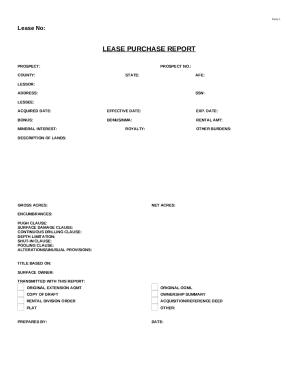

These documents provide a template for the provision of aeronautical information with detailed requirements for aeronautical data, implemented using technology
Assignment. Assignor hereby assigns to Assignee the Assumed Items. 2. Assumption. Assignee hereby accepts the assignment from Assignor of the. Assumed Items
(This sample agreement may not be entirely applicable to transactions involving interim national banks or to partial purchase and assumption transactions.).


