Restaurant Lease Agreement Template 2026

Get Form
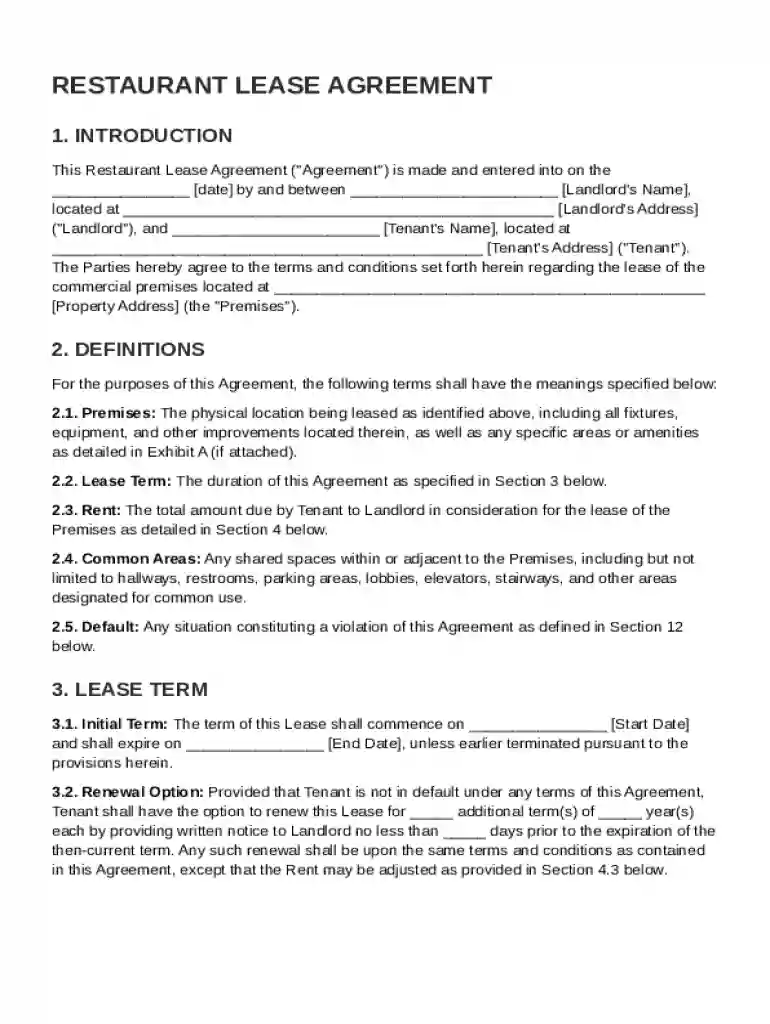
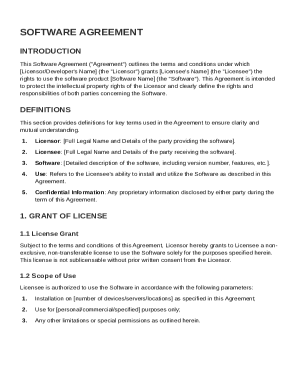
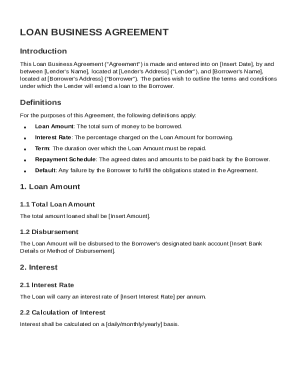
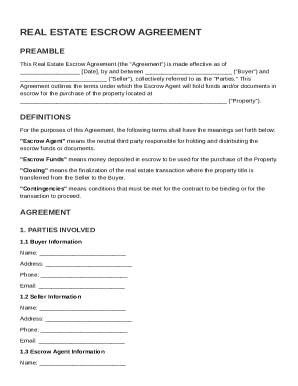
Restaurant Lease Agreement Template Preview on Page 1

Here's how it works

01. Edit your form online
Type text, add images, blackout confidential details, add comments, highlights and more.

02. Sign it in a few clicks
Draw your signature, type it, upload its image, or use your mobile device as a signature pad.

03. Share your form with others
Send it via email, link, or fax. You can also download it, export it or print it out.

Definition and Importance of the Restaurant Lease Agreement

A Restaurant Lease Agreement is a legally binding contract between a landlord and a tenant, detailing the terms and conditions under which commercial premises are leased for the purpose of operating a restaurant. This document plays a crucial role in ensuring a mutual understanding and setting clear expectations for both parties involved. The agreement covers essential aspects such as the lease term, rent payment schedules, and maintenance responsibilities. It is foundational in preventing disputes by explicitly stating each party's obligations.

Utilizing the Restaurant Lease Agreement Template

The Restaurant Lease Agreement Template is a valuable tool designed to streamline the process of drafting a lease agreement. Tenants and landlords can customize this template according to their specific requirements. By filling out predefined sections, parties can ensure that essential clauses, such as security deposit requirements and insurance obligations, are not overlooked. The template aids in simplifying complex legal language, making it more accessible for those without a legal background.

Customization Steps

  1. Download the Template: Obtain the template from a trusted source.
  2. Review Basic Terms: Ensure familiarity with the lease terms provided.
  3. Edit Specific Sections: Modify the document to reflect specific agreements, such as payment terms and permitted uses.
  4. Add Signatures: Use electronic signature tools to finalize the document if agreed by both parties.

Accessing the Restaurant Lease Agreement Template

Accessing the Restaurant Lease Agreement Template can be done through various online platforms offering legal document templates. Many of these services allow for templates to be downloaded after a quick registration or purchase. It is often advisable to consult real estate or legal professionals to select the proper template that meets jurisdictional requirements, particularly in the United States.

Completion Steps for the Restaurant Lease Agreement Template

Completing the Restaurant Lease Agreement Template involves several key steps:

  1. Initial Information: Input the names and contact information of both landlord and tenant.
  2. Lease Details: Specify the premises' location, lease term length, and commencement date.
  3. Financial Terms: Outline the rent amount, payment schedule, and acceptable payment methods.
  4. Legal Clauses: Fill sections related to indemnification, governing law, and default conditions.
  5. Final Review: Cross-check for completeness and accuracy before signing.

Primary Users of the Restaurant Lease Agreement Template

Typically, the Restaurant Lease Agreement Template is used by:

  • Property Owners: Landlords looking to rent out commercial spaces.
  • Restaurant Entrepreneurs: Tenants seeking to establish or relocate their dining businesses.
  • Real Estate Agents: Professionals assisting clients with commercial leases.
  • Legal Advisors: Attorneys who draft and review lease agreements on behalf of clients.

Critical Terms in the Restaurant Lease Agreement Template

The Restaurant Lease Agreement Template includes several critical terms:

  • Lease Term: The duration for which the lease is valid.
  • Rent Payment: The agreed amount the tenant must pay regularly.
  • Security Deposit: A refundable deposit held by the landlord as a safeguard against potential damages.
  • Maintenance Obligations: The responsibilities of both parties in maintaining the premises.
  • Insurance Requirements: Mandatory insurance coverage for both landlord and tenant.

Legal Considerations for Using the Restaurant Lease Agreement Template

Using the Restaurant Lease Agreement Template requires adherence to various legal considerations to ensure its enforceability. These include ensuring compliance with local leasing laws and regulations, such as zoning laws affecting the operation of a restaurant. The agreement should also clearly define the rights and obligations of each party, which is important for resolving potential disputes.

Key Elements to Include in the Agreement

The Restaurant Lease Agreement Template should comprehensively cover the following elements:

  • Definitions: Clarify specific terms used within the agreement for mutual understanding.
  • Use of Premises: Specify the permitted usage to ensure the tenant operates within agreed boundaries.
  • Assignment and Subletting: Rules concerning the transfer of lease or subletting should be clearly defined.
  • Default Procedures: Outline the steps for addressing breaches of contract by either party.

By thoroughly understanding and utilizing each block within the Restaurant Lease Agreement Template, individuals and businesses can establish a clear and legally sound foundation for their leasing arrangements.

be ready to get more

Complete this form in 5 minutes or less

Get form

Got questions?

We have answers to the most popular questions from our customers. If you can't find an answer to your question, please contact us.
Contact us
Why is a Net Lease Best for Your Restaurant? One of the biggest advantages of a net lease for a restaurant is that it provides predictable expenses. With a NNN lease, for example, the tenant knows exactly what they will be paying each month for rent, property taxes, insurance, and maintenance costs.
The average total cost to open a restaurant will range from $95,000 to over $2 million. The total cost of opening a restaurant will depend on the cost of rent, furniture, construction costs and any permits required to operate a new restaurant business.
Templates for lease agreements are widely available online; however, it is important to know how to write a lease agreement and what information must be included. Even if you decide to draft your own lease agreement, it is good practice to have it reviewed by an experienced attorney before executing.
Flexibility and adjustability Not being the property owner affords restaurant operators more flexibility. Depending on the terms of your lease, if you find the location isnt optimal for your business plan, moving to a different location is easier. If you find your lease terms unmanageable, you can renegotiate.
Its not guesswork! Many use cost-plus pricing, a simple strategy for setting fair prices and making a profit: Gather all costs: Ingredients, labor, rent, utilities everything that goes into a dish. Add your desired profit: Decide how much profit you want to make per dish.

Security and compliance

At DocHub, your data security is our priority. We follow HIPAA, SOC2, GDPR, and other standards, so you can work on your documents with confidence.
Learn more
ccpa2
pci-dss
gdpr-compliance
hipaa
soc-compliance

People also ask

2. What is the 30/30/30/10 rule for restaurants? The 30/30/30/10 rule is a guideline for allocating restaurant revenue: 30% for food costs, 30% for labor, 30% for overhead, and 10% for profit.
Restaurant leases generally range from $3,000 to over $10,000 per month, depending on size and location. There are many ways to negotiate the best terms in your restaurant lease, and negotiating restaurant leases is not just commonits expected.

Related links