






Definition & Meaning
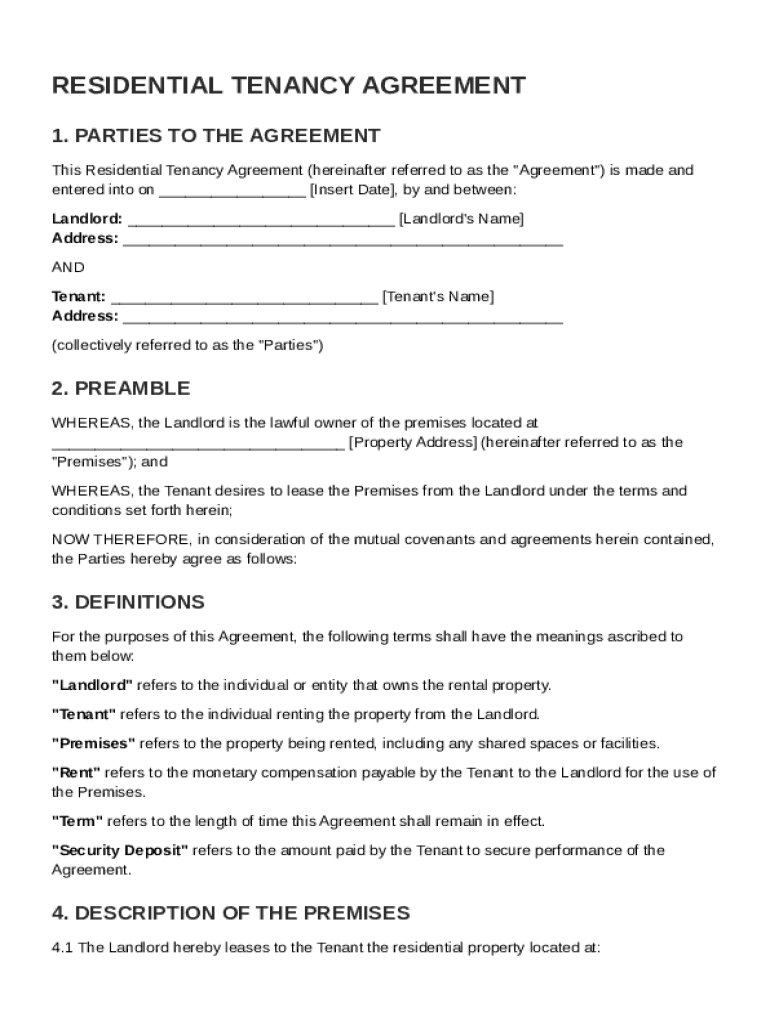
A Tenants Agreement Template is a predefined legal document designed to outline the terms and conditions involved in renting a residential property. This template serves as a contractual arrangement between a landlord and a tenant. It includes essential details such as the identities of both parties, the property's specifics, duration of the lease, rent obligations, and various operational responsibilities. The primary aim is to ensure clarity and mutual understanding, thereby reducing potential disputes over the course of the rental term.
The use of such a template simplifies the drafting process, ensuring that all critical legal points are covered without omissions. This helps both landlords and tenants to start their leasing relationship on a sound and transparent legal footing.
Key Elements of the Tenants Agreement Template
Within a Tenants Agreement Template, several crucial components ensure its effectiveness and comprehensiveness:
- Property Description: Offers a detailed account of the premises being leased, including address, unit specifics, and any attached facilities.
- Parties Involved: Identifies both the landlord and the tenant, including contact information and legal representation if applicable.
- Lease Duration: Specifies the start and termination dates of the agreement, as well as any renewal options.
- Rent Payment Terms: Details about the monthly rental amount, due dates, acceptable payment methods, and late penalty conditions.
- Security Deposit: Information on required deposits, their amount, and conditions for their return post-tenancy.
- Maintenance and Utilities: Discusses obligations for property upkeep and management of utility bills, distinguishing between landlord and tenant responsibilities.
These elements form a comprehensive and legally binding document, ensuring all necessary terms are discussed and agreed upon prior to tenancy initiation.
Steps to Complete the Tenants Agreement Template
- Gather Necessary Information: Collect all relevant details about the property, parties involved, and any specific terms to be included.
- Fill Out Personal Details: Input the names, addresses, and contact details of both the landlord and tenant accurately.
- Specify Property Details: Clearly describe the property being rented, including its location and any features included in the lease.
- Determine Lease Terms: Define the length of the lease, rent amount, and schedule for rent payments.
- Clarify Responsibilities: Specify the duties related to maintenance, repairs, and utility payments.
- Review Legal Requirements: Ensure the template complies with local laws and regulations, making amendments where necessary.
- Sign and Date: Both parties must sign and date the agreement, with optional notarization for increased legal standing.
Completing these steps systematically ensures that the Tenants Agreement Template is filled out properly and comprehensively.
Why Should You Use a Tenants Agreement Template
- Clarity and Consistency: Using a template promotes uniformity, ensuring that all relevant legal terms are consistently applied across tenancies.
- Legal Protection: Properly drafted agreements protect landlords and tenants by setting clear expectations and providing legal recourse in case of disagreements.
- Efficiency: Utilizes pre-defined structures to expedite the document creation process, saving time and reducing the chance of overlooking critical information.
- Risk Management: Mitigates potential risks by clearly outlining obligations and rights, ensuring both parties understand their duties and limitations.
These benefits highlight the critical role that a structured template plays in the property management process.
Legal Use of the Tenants Agreement Template
Using a Tenants Agreement Template conforms to legal standards, particularly when the document is tailored to meet jurisdictional requirements. Adherence to local rental laws is crucial, as each state may have specific mandates and tenant rights that must be reflected within the lease. It is essential to follow state-specific regulations governing issues like security deposit limits, notice requirements, and accommodation rules.
Before finalization, review your template against these local and state mandates to ensure compliance. Consulting with a legal professional can provide additional peace of mind and validation that the template meets all necessary legal standards.
Who Typically Uses the Tenants Agreement Template
The primary users of a Tenants Agreement Template include:
- Landlords: Individuals or entities that own and lease residential properties and seek a straightforward method to formalize rental agreements.
- Property Managers: Professionals involved in managing rental properties on behalf of owners, utilizing templates to streamline leases with tenants.
- Tenants: Renters reviewing the terms of their lease to understand their commitments and seek clarifications where needed.
- Real Estate Agents: Brokers and agents handling rental listings and negotiations, providing structured agreement forms to facilitate clear leasing terms.
Each participant benefits from a clearly articulated agreement that reduces misunderstandings and establishes a professional standard for renting processes.


Important Terms Related to Tenants Agreement Template
Several key terms frequently appear within a Tenants Agreement Template:
- Lease: A contract wherein one party grants another the right to use property for a specific period and payment.
- Sublease: Renting part or all of the property by the tenant to a third party, typically with conditions stipulated in the original lease.
- Eviction: Legal process of removing a tenant from the premises due to breach of lease terms or other justifiable reasons.
- Rent Control: Local government-imposed limits on the amount of rent chargeable by landlords within certain jurisdictions.
Understanding these terms is crucial for both landlords and tenants to ensure complete comprehension of contract implications.
State-Specific Rules for the Tenants Agreement Template
Depending on the property's location, state-specific rules can impact the contents and enforcement of the Tenants Agreement Template. For instance:
- Security Deposits: States like California limit deposit amounts to one or two months' rent, depending on furnished status.
- Termination Notices: The required notice period for ending a lease can vary, commonly ranging from 30 to 60 days.
- Discrimination Laws: Varies state-by-state, defining what constitutes allowable and prohibited tenant screening practices.
Awareness of these variations allows landlords and tenants to draft agreements that are not only comprehensive but also legally enforceable across state lines.