






Definition & Meaning
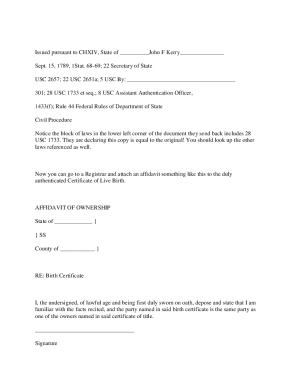
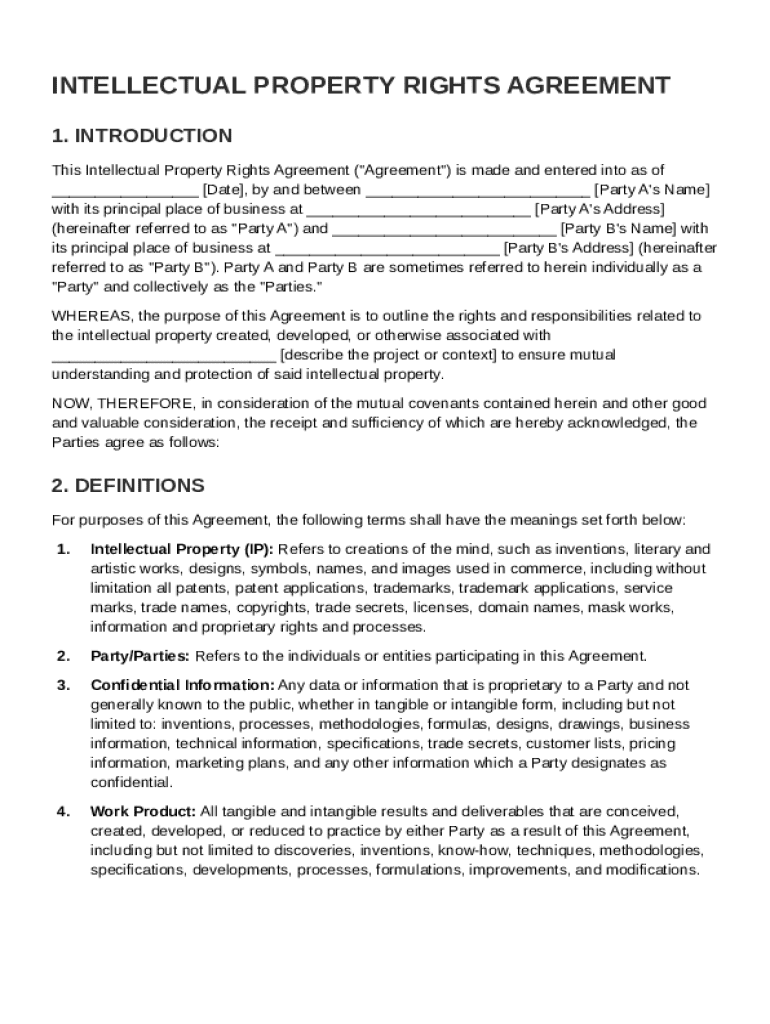
The Intellectual Property Rights Contract Template serves as a structured framework to outline the rights and responsibilities associated with intellectual property (IP) in a project. This document clearly defines terms such as Intellectual Property, Confidential Information, and Work Product, which are critical to understanding the scope and boundaries of IP within the agreement. By establishing these terms, both parties can better navigate the nuances of ownership and usage rights, thereby safeguarding their proprietary interests.
Key Elements of the Intellectual Property Rights Contract Template
An Intellectual Property Rights Contract Template typically includes several essential elements:
- Ownership Rights: Details who holds the ownership of pre-existing IP and any newly developed IP during the project.
- Licensing Provisions: Specifies the terms under which IP can be licensed to other parties.
- Confidentiality Obligations: Outlines the duty to protect sensitive information disclosed during the collaboration.
- Use of Intellectual Property: Describes permissible uses of the IP, ensuring all parties understand their rights and limitations.
- Dispute Resolution: Includes mechanisms such as mediation and arbitration to handle disagreements.
- Termination Conditions: Defines conditions under which the contract can be terminated, along with associated IP consequences.
Steps to Complete the Intellectual Property Rights Contract Template
- Identify Parties Involved: Clearly state the names and roles of both the party granting rights and the party receiving rights.
- Define Intellectual Property: Specify the types of IP being discussed, including patents, copyrights, trademarks, or trade secrets.
- Detail Ownership: Clearly allocate ownership of existing and future IP created through collaboration.
- Set Licensing Terms: Outline any rights to use, reproduce, or distribute the IP, including any limitations.
- Establish Confidentiality Rules: Specify the information to be kept confidential and the duration of confidentiality obligations.
- Agree on Enforcement Mechanisms: Decide on methods for resolving disputes, such as arbitration or litigation.
- Finalize the Agreement: Review all terms and have both parties sign to affirm mutual understanding and agreement.
How to Use the Intellectual Property Rights Contract Template
Using an Intellectual Property Rights Contract Template involves several key actions to ensure the agreement is comprehensive and understood by all parties:
- Customization: Tailor the template to fit the specific needs and details of the project or transaction.
- Legal Review: Consult with a legal professional to verify that all sections comply with relevant IP laws.
- Understand Terms: Ensure all parties fully comprehend each provision, mitigating future misunderstandings.
- Iterative Discussions: Engage in dialogue between parties to refine and agree on each section's details.
Legal Use of the Intellectual Property Rights Contract Template
In a U.S. context, utilizing the Intellectual Property Rights Contract Template ensures legal compliance with federal and state-level IP laws. The contract helps protect the interests of all involved parties by:
- Providing Legal Protection: Contracts grant legal assurance that each party’s IP interests are recognized and enforceable.
- Enabling Dispute Resolution: When disputes arise, the contract serves as a legal reference, often precluding the need for court trials through arbitration.
- Supporting Regulatory Compliance: Complying with legal standards and protocols for IP management.
Who Typically Uses the Intellectual Property Rights Contract Template
Various professionals and organizations employ the Intellectual Property Rights Contract Template, including:
- Creative Professionals: Entrepreneurs, designers, authors, and artists utilize these agreements to safeguard creative outputs.
- Technology Firms: Software and tech companies use them to manage intellectual property developed during joint ventures or collaborations.
- Educational Institutions: Universities and research centers apply these contracts in collaboration with researchers to allocate rights over inventions.


Important Terms Related to Intellectual Property Rights Contract Template
Understanding the terminology used within an Intellectual Property Rights Contract Template is crucial. Some key terms include:
- Intellectual Property (IP): Non-physical assets like inventions, literary works, designs.
- Confidential Information: Sensitive data not disclosed to the public.
- Work Product: Any output resulting from a collaborative effort, potentially eligible for IP protection.
State-Specific Rules for the Intellectual Property Rights Contract Template
While Intellectual Property Rights Contract Templates offer a standardized approach, regulations may vary by state, affecting:
- Implementation of Terms: State laws may dictate different enforcement practices or govern certain types of IP.
- License Registration: Requirements for registering licenses can differ, affecting how IP rights are recorded and recognized.
- Dispute Resolution Processes: States may mandate specific procedures for handling IP disputes, impacting how clauses are drafted.
Versions or Alternatives to the Intellectual Property Rights Contract Template
There are various versions and alternatives to the Intellectual Property Rights Contract Template that cater to diverse needs:
- Standard Agreements: Basic templates for straightforward IP transactions.
- Customized Contracts: Tailored versions that accommodate complex arrangements or specific sector requirements.
- Simplified Forms: For small businesses or individual creators requiring minimal legal jargon and easier comprehension.
The choice between these options often depends on the complexity and specificity of the IP arrangement involved.