




01. Edit your form online
Type text, add images, blackout confidential details, add comments, highlights and more.

Type text, add images, blackout confidential details, add comments, highlights and more.

Draw your signature, type it, upload its image, or use your mobile device as a signature pad.

Send it via email, link, or fax. You can also download it, export it or print it out.
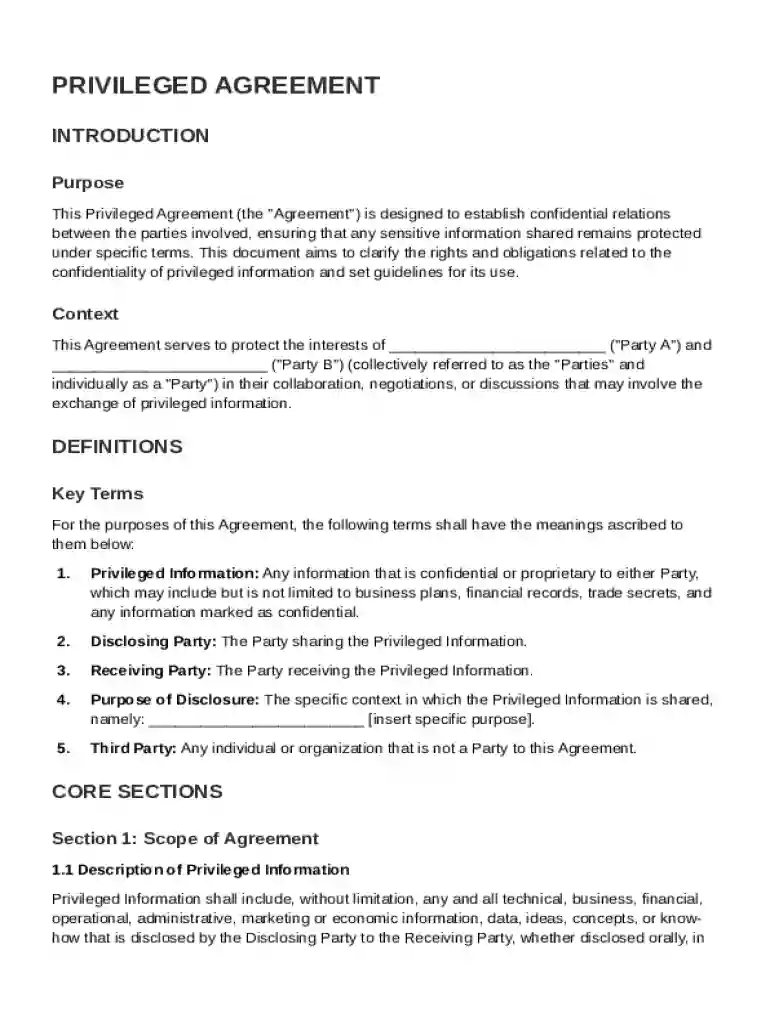
The Privilegedr Agreement Template is a formal document designed to safeguard sensitive information shared between two entities, referred to as Party A and Party B. This template specifies what constitutes 'Privileged Information' and provides a framework to maintain confidentiality. The agreement outlines the responsibilities of the Receiving Party, includes instructions on handling and protecting sensitive data, and establishes penalties for unauthorized disclosure. By defining these parameters, the template ensures that both parties are aware of their obligations and the consequences of non-compliance, thus fostering a secure environment for data exchange.
Acquiring the Privilegedr Agreement Template can be straightforward. Typically provided by legal document services like DocHub, users can access this template through various channels:
Regardless of the source, ensuring the template aligns with your specific needs and jurisdictional requirements is crucial.
Completing the Privilegedr Agreement Template involves several steps to ensure accuracy and compliance:
Review the completed document with legal counsel to confirm that all legal obligations are met.
The Privilegedr Agreement Template consists of several key components:
These elements collectively form a strong foundation for managing sensitive information.
The legal use of the Privilegedr Agreement Template is intended to ensure that both parties adhere to established confidentiality standards. The template serves as a binding agreement under U.S. law:
Consultation with legal professionals is advised to tailor the template to specific legal requirements.
Understanding the following terms is crucial when working with the Privilegedr Agreement Template:
Familiarity with these terms ensures effective navigation and implementation of the agreement.
The Privilegedr Agreement Template is widely utilized by various entities:
These entities use the template to guarantee that sensitive information remains secure and is only used for its intended purposes.


Practical applications of the Privilegedr Agreement Template include:
In each scenario, the template helps establish trust and legal alignment, ensuring the integrity and security of sensitive exchanges.
At DocHub, your data security is our priority. We follow HIPAA, SOC2, GDPR, and other standards, so you can work on your documents with confidence.


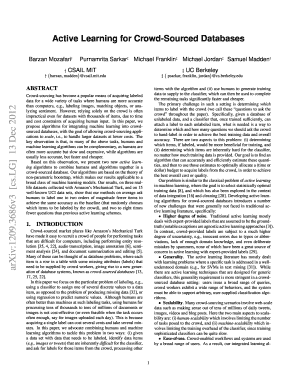



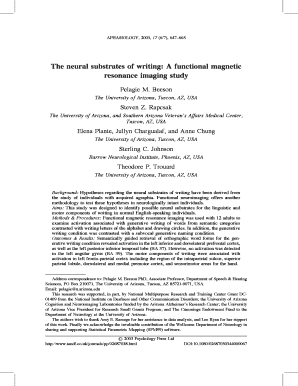

Privileged access is granted only to authorized individuals. Privileged access shall be granted to individuals only after they have read and signed thisRead more
Privileged information means information that may be exempt from disclosure to the public or other unauthorized persons under state and/or federal statutes,
You can start with our free template on Privileged Access Management RFP template and tailor it to your environment. If you want, compare BeyondTrustRead more


