






Definition & Meaning
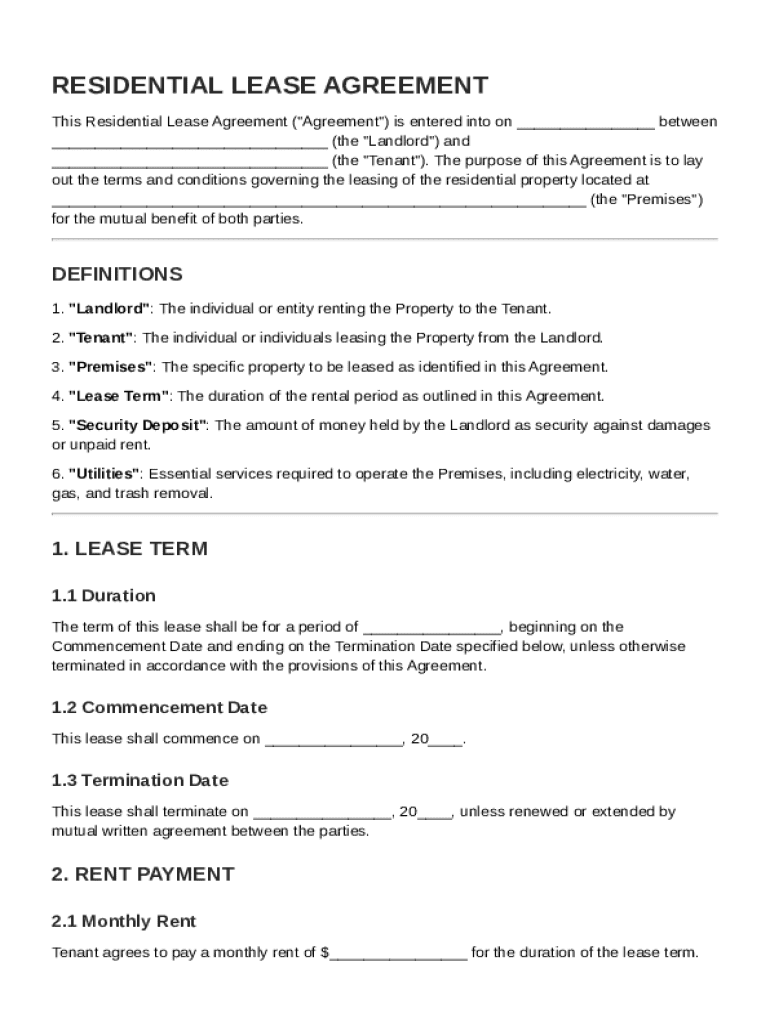
A Boilerplate Lease Agreement Template is a standardized form commonly used in real estate to outline the terms and conditions for leasing residential or commercial properties. This template provides a foundational structure for landlords and tenants to record essential details such as rent amount, lease duration, and responsibilities. By utilizing these templates, both parties ensure that the agreement is legally sound and includes necessary clauses to protect their interests.
Boilerplate templates serve as a starting point, allowing users to customize specific sections according to their unique situation. This flexibility is crucial for addressing varying state laws or individual landlord-tenant agreements. By streamlining the creation process, these templates save time and reduce the likelihood of omitting critical information.
Key Elements of the Boilerplate Lease Agreement Template
A thorough lease agreement template typically includes several key components to ensure clarity and legal compliance:
- Parties Involved: Clearly designates the landlord and tenant, ensuring both parties are identified within the document.
- Property Details: Describes the property being leased, including the address, unit number, and any included amenities or furnishings.
- Lease Term: Specifies the duration of the lease, including start and end dates, and terms for renewal or extension.
- Rent and Payment Terms: Outlines the monthly rent amount, due date, accepted payment methods, and any late fees or discounts.
- Security Deposit: Details the required deposit amount, conditions for its usage, and terms for its return upon lease termination.
- Maintenance Responsibilities: Allocates maintenance duties between landlord and tenant, including repairs, lawn care, and snow removal.
- Utilities and Services: Specifies which party is responsible for utilities like water, electricity, and internet services.
- Use of Property: States the permissible uses of the property, such as residential use only, or restrictions on subletting.
- Pet Policy: Indicates whether pets are allowed and outlines any associated fees or special conditions.
Steps to Complete the Boilerplate Lease Agreement Template
Completing a boilerplate lease agreement involves several steps to ensure it meets legal requirements and reflects the parties' intentions:
- Gather Relevant Information: Collect details about the property, parties involved, and specific lease terms to ensure accuracy.
- Customize the Template: Adjust sections of the template to accommodate local laws and specific agreements between landlord and tenant.
- Review Legal Language: Check for appropriate legal terminology to avoid misunderstandings or disputes.
- Add Additional Clauses: Insert any additional clauses that address unique aspects of the rental agreement, such as noise restrictions or smoking policies.
- Proofread the Document: Carefully review the entire document for errors or omissions, ensuring all information is correct.
- Final Review by Both Parties: Allow both landlord and tenant to review the agreement to raise questions or request adjustments if necessary.
- Sign and Date: Once both parties agree on the terms, each should sign and date the document to formalize the agreement.
Who Typically Uses the Boilerplate Lease Agreement Template
This template is primarily used by landlords, property managers, and tenants within the real estate sector. Landlords and property managers utilize these templates to ensure their lease agreements are thorough and compliant with local laws. Meanwhile, tenants use them to understand their rights and responsibilities under the lease.
Real estate agents and legal professionals might also rely on boilerplate lease agreement templates. These templates serve as reliable tools for drafting efficient agreements in a competitive and varied market environment. They ensure uniformity across multiple properties or clients, simplifying document management and contributing to a streamlined workflow.


State-Specific Rules for the Boilerplate Lease Agreement Template
Boilerplate lease agreements must comply with state-specific regulations that govern landlord-tenant relationships. These regulations can differ significantly across states, covering aspects such as:
- Security Deposit Limitations: Varying limits on the amounts landlords can charge or how deposits must be handled.
- Rent-Control Laws: Specific rules on how and when rent can be increased.
- Eviction Procedures: Detailed processes and requirements for legally evicting a tenant, including notice periods.
- Disclosure Requirements: Mandates on providing disclosures such as lead paint information or bedbug history.
Understanding and incorporating these rules is crucial, as non-compliance can lead to legal disputes or penalties. Users must customize the template to align with the specific requirements of their state to ensure enforceability.
Examples of Using the Boilerplate Lease Agreement Template
Landlords often employ these templates for different property types: from residential apartments to commercial spaces, each requiring unique terms. For instance, a landlord leasing a single-family home may embed clauses related to lawn maintenance, whereas a commercial lease may include specifications for modifying the leased space.
- Residential Lease Example: A family renting a townhouse might need a clause specifying the tenant's responsibility for maintaining the garden.
- Commercial Lease Example: A startup renting office space could benefit from terms allowing for customizing office layouts and temporarily waiving rent during set-up periods.
By providing a comprehensive framework, these templates cater to diverse leasing scenarios and help landlords and tenants document and agree upon specific requirements effectively.
Legal Use of the Boilerplate Lease Agreement Template
These templates are essential for ensuring that lease agreements are legally enforceable and protect the interests of both parties. They conform to relevant federal or state laws regarding rental agreements, ensuring terms meet legal standards.
- Enforceable Terms: Includes necessary provisions that are legally valid and comply with regulations.
- Dispute Resolution: Outlines measures for resolving disagreements, which can prevent costly litigation and preserve a professional relationship.
- Compliance with Fair Housing Laws: Ensures that the terms do not discriminate based on race, religion, national origin, gender, or other protected categories, aligning with federal fair housing requirements.
Maintaining legality within these documents helps avoid potential disputes and facilitates smooth transactions between involved parties.
Important Terms Related to Boilerplate Lease Agreement Template
Familiarity with key terms in lease agreements ensures clarity and mutual understanding between landlords and tenants:
- Assignable Lease: Indicates whether the tenant can transfer their lease obligations to another party.
- Right of Entry: Explains conditions under which a landlord may enter the leased premises, typically with notice.
- Holdover Tenant: Describes a situation where the tenant remains in the property past the lease expiration, often converting the lease to a month-to-month agreement.
- Quiet Enjoyment: Ensures that tenants can live without undue disturbances from the landlord or third parties.
- Force Majeure: Covers extraordinary events that prevent fulfilling lease terms, such as natural disasters or government actions.
Understanding and utilizing these terms effectively enhances communication and minimizes misunderstandings between parties involved in leasing agreements.