




Definition & Meaning
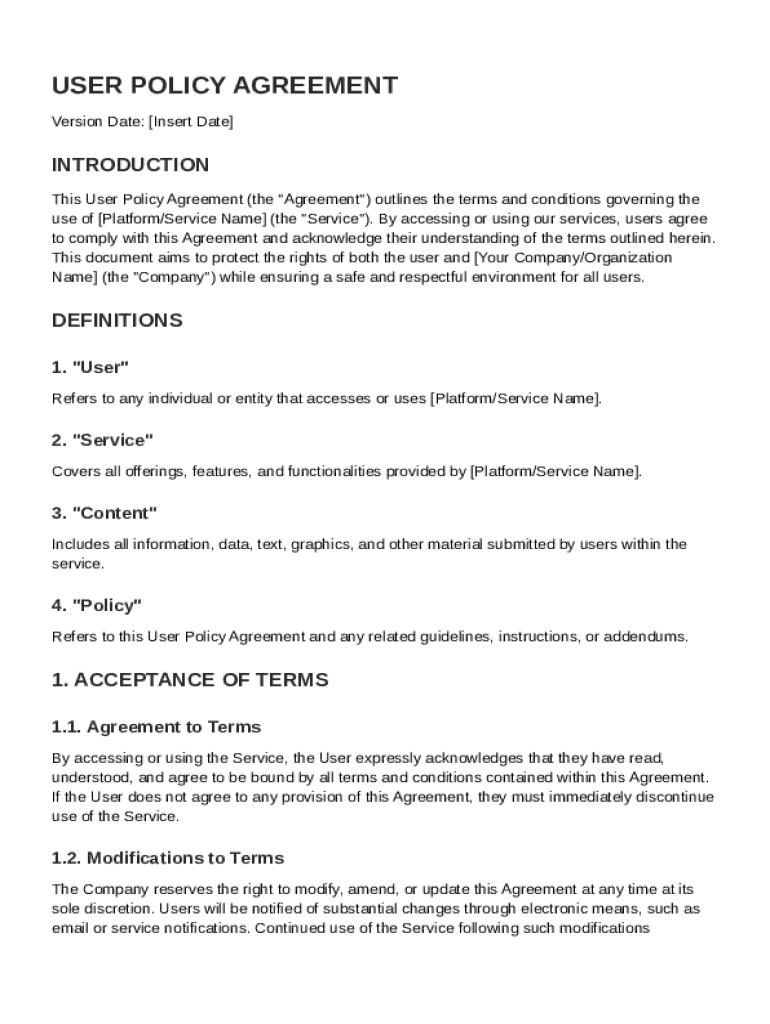
The User Policy Agreement Template is a comprehensive document that delineates the terms and conditions for utilizing a platform or service. Within this agreement, users can find detailed information about their responsibilities and rights, as well as the company's policies on various aspects such as account security, acceptable use, content ownership, and dispute resolution. By agreeing to these terms, users can access the service, provided they maintain account confidentiality and comply with legal standards. This agreement also covers procedures such as termination and limitations of liability to ensure users are fully informed of their rights and duties.
Key Elements of the User Policy Agreement Template
Understanding the essential components within the User Policy Agreement Template is crucial. Each section of this document serves a specific purpose:
- User Responsibilities: Details the expectations placed on users, including adhering to acceptable use policies and maintaining account security.
- Content Ownership: Clarifies who holds the rights to the content shared or created on the platform.
- Account Security: Outlines the measures users should take to protect their accounts from unauthorized access.
- Dispute Resolution: Describes the process for managing conflicts between users and the platform.
- Termination Clauses: Provides the conditions under which a user's access to the service may be revoked.
How to Use the User Policy Agreement Template
Utilizing the User Policy Agreement Template effectively involves several steps:
- Review the Document: Start by carefully reading through the entire agreement to ensure you understand every section.
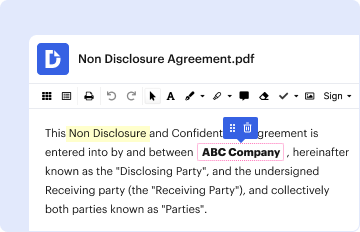
- Personalize Where Necessary: Customize specific areas of the template to reflect your personal or business requirements, ensuring all relevant sections apply to your situation.
- Discuss with Stakeholders: If you are part of an organization, share the document with other stakeholders to gather input and make necessary adjustments.
- Finalize the Agreement: Ensure all amendments are accurately reflected, then save the finalized document for use.
Steps to Complete the User Policy Agreement Template
To correctly fill out the User Policy Agreement Template, follow these steps:
- Enter Personal Information: Include names, addresses, or any identifying information relevant to the agreement.
- Specify Terms: Detail the specific terms applicable to the agreement, such as the duration of use or conditions for account creation.
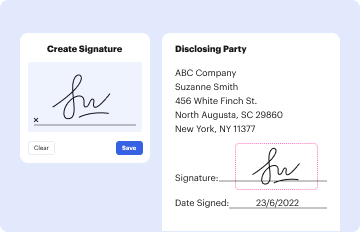
- Signatures: Ensure all necessary parties sign the document to validate the agreement.
- Review for Compliance: Double-check that the completed form aligns with relevant legal standards and complies with applicable regulations.
- Store Securely: Save the signed agreement in a secure database or cloud storage for future reference.
Legal Use of the User Policy Agreement Template
The User Policy Agreement Template serves as a legally binding contract, compliant with relevant standards and acts, such as the ESIGN Act. It is designed to protect both the user and the service provider by clearly outlining mutual obligations and rights. Legal considerations include:
- Compliance with Laws: Ensure the agreement complies with federal and state regulations.
- Legally Binding Signatures: Electronic signatures used in the agreement must be valid under applicable laws.
- Dispute Provisions: Clearly state how potential disputes will be addressed and resolved.
Who Typically Uses the User Policy Agreement Template
This template is an essential tool for a range of users, including:
- Online Service Providers: Companies offering digital services or platforms rely on these agreements to manage user interactions.
- Software Developers: Firms developing SAAS products often use these templates to define user parameters and responsibilities.
- Legal Teams: Attorneys or legal advisors employed by firms to draft and review user agreements to ensure compliance.
- Business Owners: Individuals operating online businesses require these agreements to set clear terms for users.

Important Terms Related to User Policy Agreement Template
Key terminology within the User Policy Agreement Template helps clarify the document's scope:
- Acceptable Use: Defines legitimate user behaviors and prohibits harmful activities.
- Content License: Specifies the rights granted to the platform concerning user-generated content.
- Privacy Policy: Details how user information is collected, used, and protected.
- Governing Law: Indicates the jurisdiction under which the agreement will be interpreted and enforced.
Examples of Using the User Policy Agreement Template
Real-world scenarios demonstrate how the User Policy Agreement Template functions:
- SaaS Platforms: SAAS companies commonly use these templates to secure a contractual relationship with their users, outlining subscription terms and usage limits.
- E-commerce Websites: Retail platforms employ user agreements to manage consumer interactions and define purchase conditions.
- Social Media Networks: These platforms use agreements to delineate content ownership and user behavior guidelines.
- Technology Startups: Startups often incorporate these agreements to safeguard intellectual property and define user engagement rules.
Through these examples, the template proves invaluable across various industries, ensuring that expectations are established and maintained between parties.