




01. Edit your form online
Type text, add images, blackout confidential details, add comments, highlights and more.

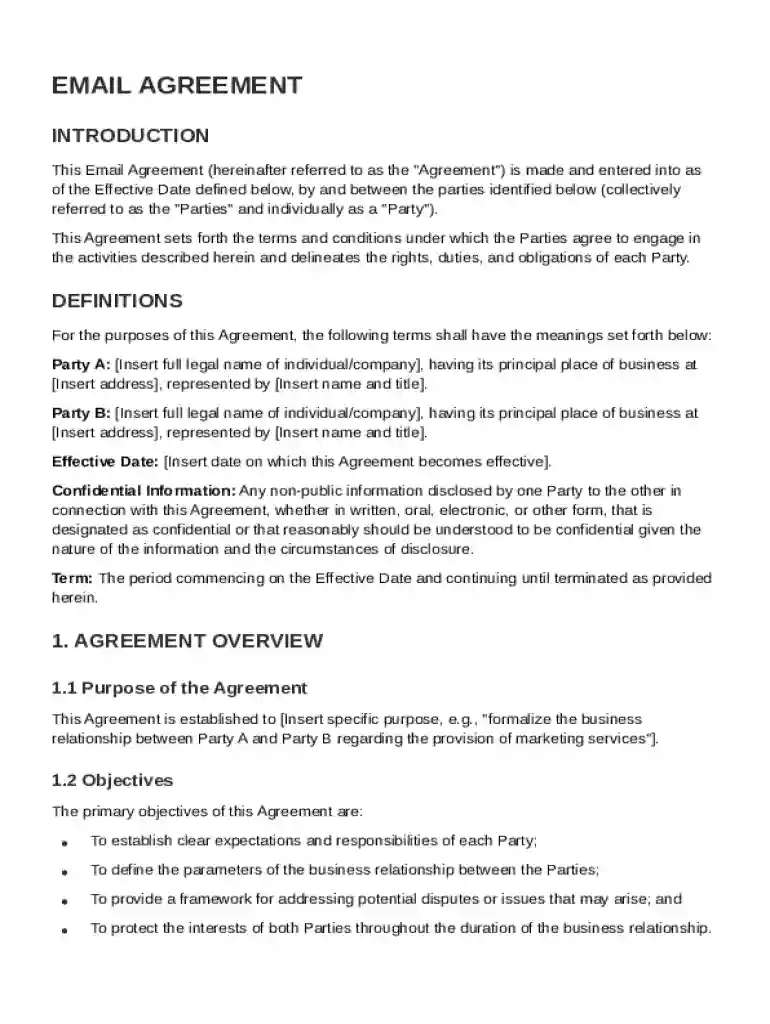
Type text, add images, blackout confidential details, add comments, highlights and more.

Draw your signature, type it, upload its image, or use your mobile device as a signature pad.

Send it via email, link, or fax. You can also download it, export it or print it out.
An Email Agreement Template serves as a structured outline for establishing terms and conditions between parties engaging in business or personal transactions via email. This document formalizes roles, obligations, confidentiality clauses, and methods for resolving disputes. By utilizing this template, both parties can clearly define expectations and protect their interests, mitigating potential conflicts during their collaboration.
To effectively use the Email Agreement Template, begin by customizing the template to reflect the specifics of your transaction or partnership. Follow these steps for optimal application:
This ensures that the finalized document is comprehensive and aligned with the mutual objectives of both parties involved.
The Email Agreement Template comprises several fundamental components crucial for a comprehensive agreement:
These elements collectively provide a robust framework for sustaining a successful and mutually beneficial relationship.
The Email Agreement Template ensures compliance with legal standards and is rooted in principles that respect business laws relevant to email transactions. It supports legality by:
The template's design is tailored to uphold legal standards across different scenarios, ensuring that agreements are enforceable and protect involved parties' rights.
Completing the Email Agreement Template demands attention to detail and clear communication. Follow these structured steps:
Adhering to these steps ensures a thorough and error-free process.
Several key terms frequently appear within an Email Agreement Template, contributing to its clarity and enforceability:
Understanding these terms is vital for both legal comprehension and practical application.
Various scenarios demonstrate the utility of the Email Agreement Template across different domains:
These examples illustrate the adaptability and necessity of using such templates to ensure clarity and legal protection in diverse transactions.
While the Email Agreement Template serves a universal purpose, certain states may impose unique requirements or offer additional protections:
Familiarity with these variations can prevent potential legal complications and ensure compliance with state-specific regulations.
At DocHub, your data security is our priority. We follow HIPAA, SOC2, GDPR, and other standards, so you can work on your documents with confidence.



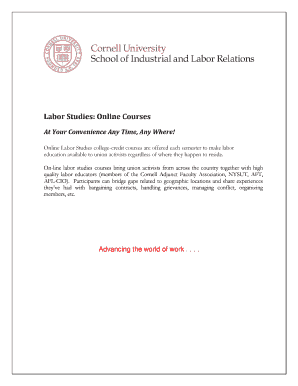


Jan 16, 2025 You can use any system or custom attributes as variables in contract email templates. For more information on creating and configuring your
Sample Email Template 1 Page. State of Washington Conditions of the Agreement DES/DOC TEAM Program to protect inmates from sexual abuse. The A/E shall
Download your free professional RFP template with 20+ expert questions. Save 20+ hours on procurement, start evaluating Email Marketing Platforms vendors today.Read more


