




Definition and Meaning of a Job Agreement Template
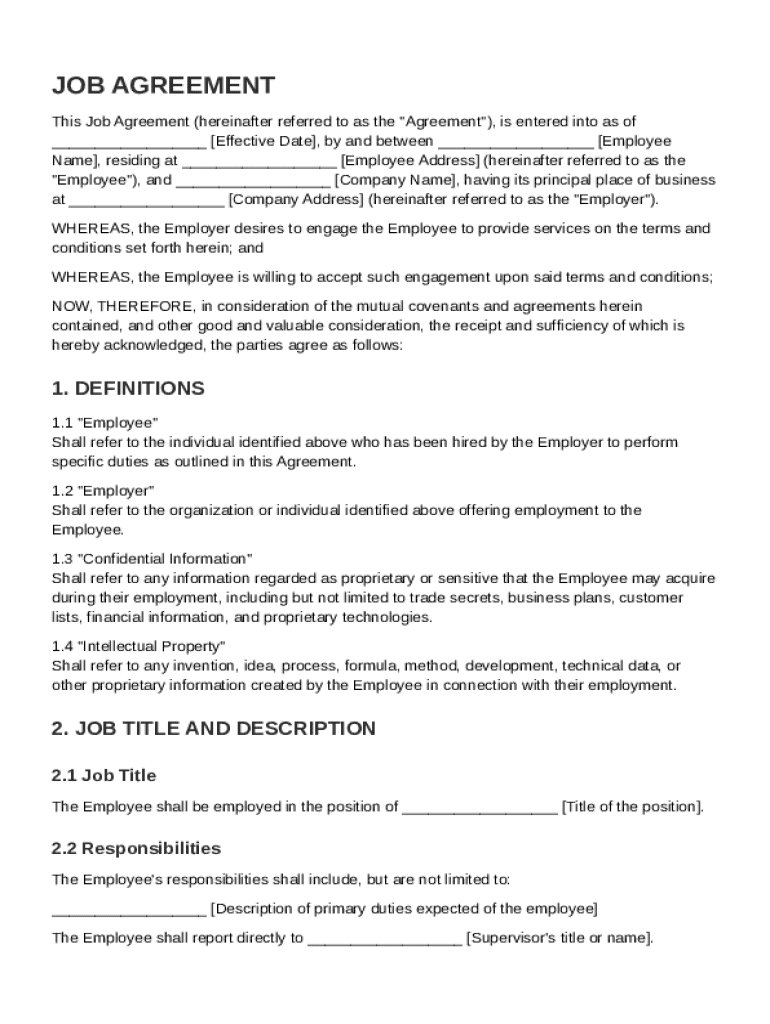
A job agreement template serves as a standardized document outlining the terms and conditions of employment between an employer and an employee. It typically includes details such as job responsibilities, compensation, benefits, work schedule, and termination procedures. By providing a formal structure, it helps both parties clearly understand their roles and expectations within the employment relationship. The use of a pre-designed template simplifies the process, ensuring consistency and legal compliance across all employment agreements. This document is particularly valuable in HR practices, where accuracy and clarity are crucial for legal and operational reasons.
Key Elements of the Job Agreement Template
The job agreement template encompasses various critical elements that establish a well-rounded employment contract. These components include:
- Job Title and Description: Clearly defines the employee's role and responsibilities.
- Compensation Details: Outlines salary, bonuses, and payment frequency.
- Work Schedule: Specifies working hours, including overtime conditions if applicable.
- Benefits Package: Includes information on health insurance, retirement plans, and other perks.
- Confidentiality Clause: Protects sensitive company information from unauthorized disclosure.
- Termination Procedures: Details conditions under which employment can be terminated and any severance arrangements.
- Governing Law: Indicates the legal jurisdiction that applies to the agreement.
Each section is designed to protect both parties by clearly setting out expectations and legal obligations.
How to Use the Job Agreement Template
Utilizing the job agreement template involves several clear steps:
- Review the Template: Begin by thoroughly understanding each section of the template and how it applies to the specific employment situation.
- Customize Details: Adjust the template to reflect the particular job role, compensation package, and conditions unique to the employee and employer.
- Consult Legal Counsel: While templates provide a solid foundation, it’s advisable to consult with a legal professional to ensure all local employment laws are adhered to and that the document meets specific legal standards.
- Employee Discussion: Discuss the agreement with the employee to ensure clarity and mutual understanding.
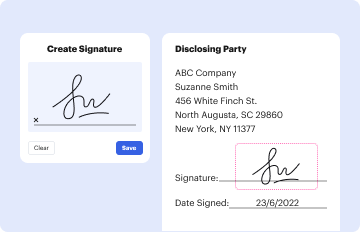
- Sign Off: Both parties should review and sign the document, solidifying its binding nature.
This systematic approach ensures the job agreement is tailored, comprehensive, and legally sound.
Steps to Complete the Job Agreement Template
Completing a job agreement template requires careful attention to detail and involves the following steps:
- Fill in Personal Information: Include names, addresses, and positions of both the employer and employee.
- Detail Job Duties: Outline the specific tasks and responsibilities expected from the employee.
- Specify Compensation and Benefits: Clearly list salary, bonuses, health benefits, and any other compensations.
- Set Work Hours and Conditions: Define workdays, hours, and any relevant scheduling requirements.
- Include Legal Clauses: Add applicable legal terms, such as confidentiality agreements and non-compete clauses.
- Review and Revise: Ensure all information is accurate and reflects the agreement reached between both parties.
- Finalize and Sign: Obtain signatures from both the employer and employee to render the document legally binding.
This structured method guarantees that the agreement is accurate, clear, and enforceable.
Legal Use of the Job Agreement Template
The job agreement template is a legal document that serves to protect both the employer and the employee by clearly stating the terms of employment. It is crucial for ensuring compliance with labor laws and avoiding potential disputes. By specifying rights, obligations, and procedures, it minimizes ambiguities that could lead to legal challenges. Employers should ensure that the template complies with federal and state employment laws to maintain its validity. For employees, it serves as a reference for job expectations and conditions, providing a basis for addressing any legal issues that may arise during employment.
Who Typically Uses the Job Agreement Template
A variety of stakeholders frequently utilize job agreement templates, including:
- Human Resources Departments: For standardizing employment contracts across the organization.
- Small Business Owners: Who may not have a dedicated HR team but need formal agreements for new hires.
- Recruitment Agencies: When negotiating terms on behalf of client companies.
- Legal Advisors: Assisting clients in drafting comprehensive employment contracts.
- Freelancers and Contractors: To outline the scope and terms of project-based work with clients.
These users benefit from the structure and legal foundation provided by a ready-made template, which simplifies the hiring process while ensuring compliance with employment standards.


State-Specific Rules for the Job Agreement Template
Employment laws can vary significantly from one state to another, affecting how job agreements should be crafted. Some requirements to consider include:
- Minimum Wage: States may have different minimum wage laws that need to be reflected in compensation details.
- Employment at Will Provisions: Clarifications on policies regarding termination.
- Non-Compete Clauses: Some states have limitations or prohibitions against non-compete agreements.
- Overtime Regulations: Specific rules governing overtime pay eligibility and rates.
- Leave Policies: State-specific mandates for family, medical, or other types of leave.
Understanding these regional legal variations is critical to ensuring the job agreement template remains compliant and enforceable across different jurisdictions.
Examples of Using the Job Agreement Template
Using a job agreement template can vary significantly depending on context, offering flexibility for different employment scenarios:
- Part-Time Employees: Clearly set out limited hours, pro-rated benefits, and specific job duties.
- Full-Time Positions: Comprehensive detailing of a full compensation package and extensive benefits.
- Remote Workers: Include location-agnostic terms and emphasize digital communication protocols.
- Project-Based Contractors: Focus on deliverables, timelines, and payment milestones.
- Seasonal Workers: Specify the temporary nature of employment and relevant start and end dates.
These examples highlight the template’s versatility in addressing diverse employment arrangements while maintaining legal integrity and clarity.


