



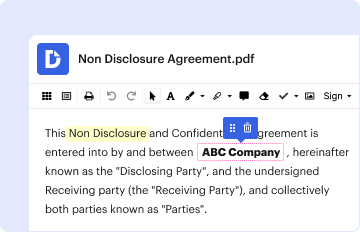
01. Edit your form online
Type text, add images, blackout confidential details, add comments, highlights and more.

Type text, add images, blackout confidential details, add comments, highlights and more.
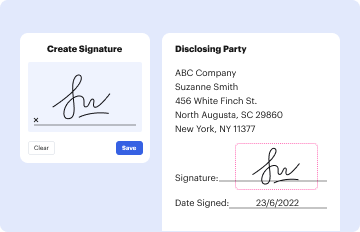
Draw your signature, type it, upload its image, or use your mobile device as a signature pad.
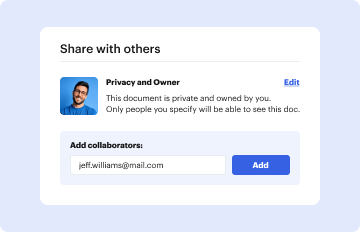
Send it via email, link, or fax. You can also download it, export it or print it out.
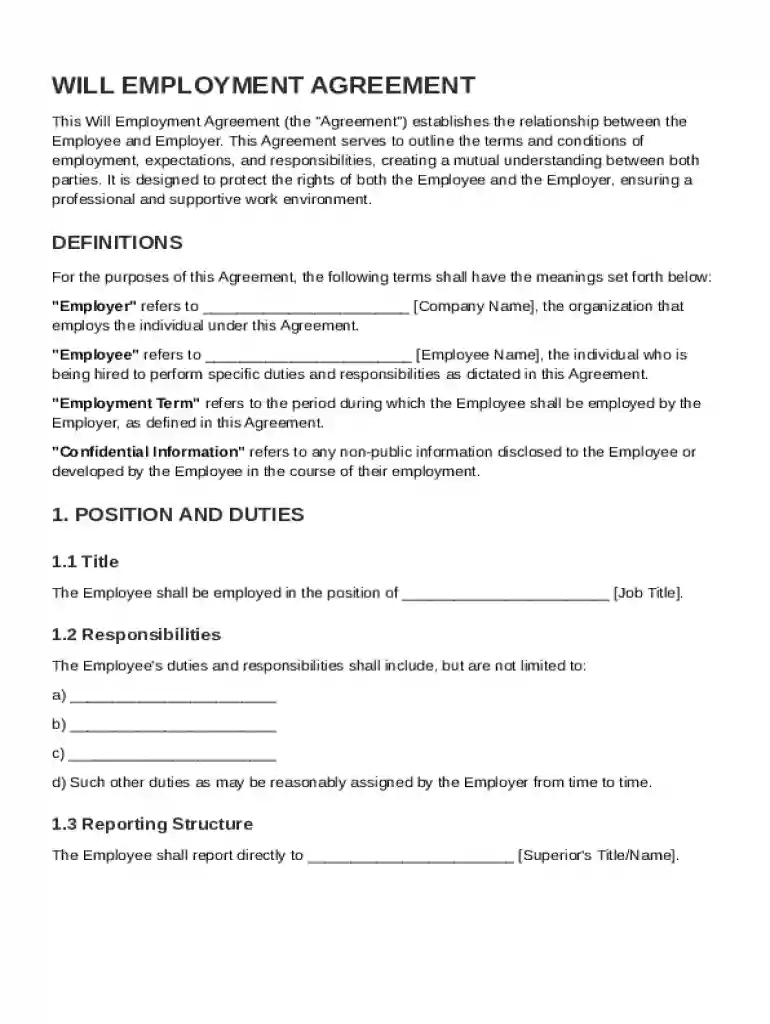
The "Will Employment Agreement Template" serves as a foundational document that outlines the terms and conditions of employment between an employee and an employer. It is designed to establish the mutual obligations and rights of both parties, thus creating a clear framework for the employment relationship. This template is essential in detailing job roles, responsibilities, compensation structures, benefits, confidentiality clauses, as well as termination policies. By using this document, both the employer and the employee have a reference point to ensure compliance with agreed-upon conditions, which minimizes potential disputes and enhances professional conduct.
Using the Will Employment Agreement Template involves several steps to tailor it to your specific needs. Initially, review the template's default clauses and sections to understand its general structure and content. Make necessary adjustments to reflect the particular duties and responsibilities associated with the job role being offered. Ensure that compensation details, such as salary, bonuses, and benefits, are accurately represented. Furthermore, incorporate any company-specific policies or industry-specific requirements that are relevant to the position. Once customized, review the document with legal counsel if needed to ensure compliance with applicable employment laws.
Download and Open the Template: Obtain a digital copy of the template from your document management platform, such as DocHub.
Customize General Information: Begin by filling in the details of the employer and employee, including names and addresses.
Define Job Role and Responsibilities: Clearly outline the job title, reporting relationships, and key responsibilities.
Set Compensation and Benefits: Include specifics about salary, bonuses, health benefits, retirement plans, and any other compensation-related information.
Outline Employment Terms: Specify the terms regarding the duration of employment, including start date, probation period if applicable, and contractual limits.
Include Legal Clauses: Add any necessary clauses related to confidentiality, non-compete agreements, and intellectual property rights.
Specify Termination Conditions: Clearly define the conditions under which the employment can be terminated by either party.
Review and Finalize: Thoroughly review the document for completeness and accuracy. Seek legal review if necessary.
Signature and Date: Ensure both the employer and the employee sign and date the agreement to validate its enforcement.
The template encompasses several key elements essential to formalizing the employment relationship:
This template provides a legally binding framework to secure the interests of both parties in the employment relationship. It should be used to ensure compliance with employment laws at both federal and state levels in the U.S. Legal advisors may review the agreement to verify compliance with specific state regulations and industry standards. By utilizing this template, employers can effectively avoid legal disputes related to employment terms, strengthen confidentiality, and protect business interests. For employees, it assures clarity on job expectations and when seeking recourse in the event of unmet conditions.
Understanding the terminology used within the Will Employment Agreement Template is crucial:
Each U.S. state may have variations in employment laws that could affect the provisions of the employment agreement. For example, states like California have specific restrictions on non-compete clauses, while others might differ in minimum wage laws and employee rights. Employers should pay particular attention to compliance with state labor regulations, especially concerning termination procedures, benefits entitlements, and employee classification. Tailoring the agreement to align with these legal requirements is essential to uphold it as a legally enforceable document.
The practical use of a Will Employment Agreement Template extends across various scenarios, such as:
These examples underscore the versatility of the template across diverse employment contexts, further illustrating its importance in maintaining robust employment relationships.
At DocHub, your data security is our priority. We follow HIPAA, SOC2, GDPR, and other standards, so you can work on your documents with confidence.


THIS IS A SAMPLE! Feel free to use or modify it for your own use! The employee is responsible for securing the equipment provided to the employee
The employment-at-will doctrine is an employment law practice in which an employer and employee agree there is no set period of employment.


