






Definition and Significance of the Written Rental Agreement Template
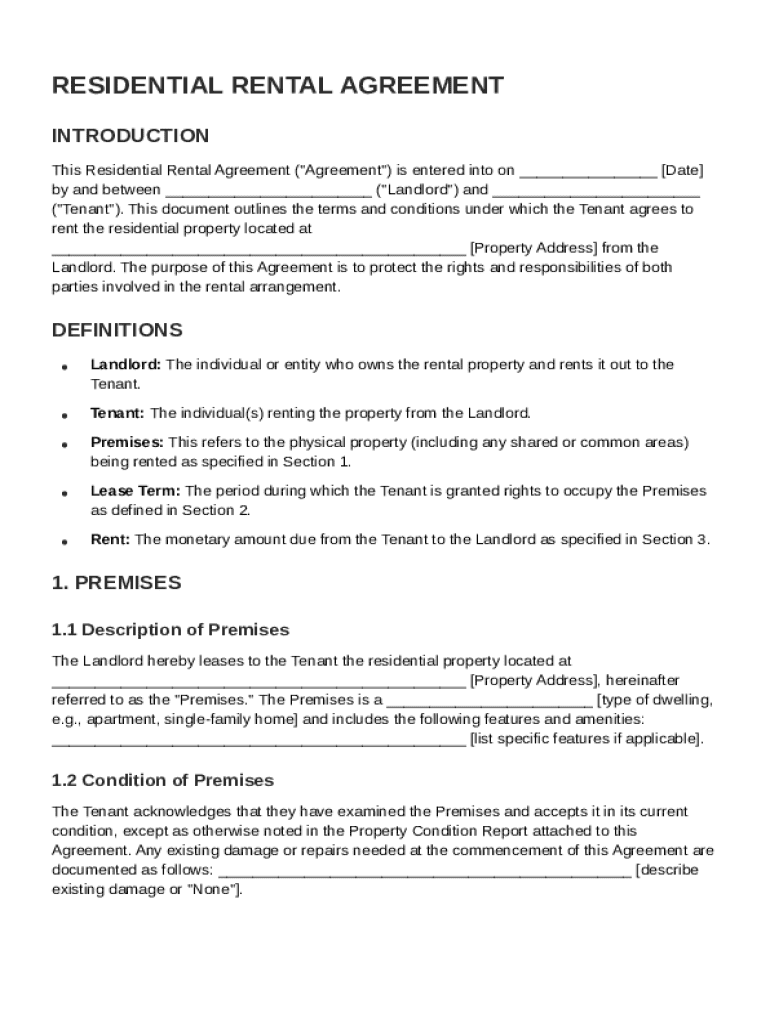
The Written Rental Agreement Template serves as a legally binding document between a landlord and tenant, establishing the terms and conditions for renting a property. This template facilitates clarity and understanding by outlining essential components such as rental amounts, lease duration, maintenance responsibilities, and occupant behavior expectations. Its use helps protect the rights and obligations of both parties, reducing the potential for disputes. This document is pivotal in formalizing arrangements and ensuring all involved have a clear understanding of their roles and responsibilities within the rental relationship.
Key Elements of the Written Rental Agreement Template
Understanding the core elements embedded in a Written Rental Agreement is crucial. These elements typically include:
- Premises Details: Accurate description of the rental property, including address and unit number, if applicable.
- Lease Term: Specifies the duration of the rental period, whether it’s month-to-month or a fixed term.
- Rent: Details on monthly rental amounts, due dates, accepted payment methods, and late fee policies.
- Deposits: Information on security deposits, conditions for refunds, and intentions for handling damages.
- Utilities and Maintenance: Responsibilities regarding utilities, maintenance, and repairs, which may vary depending on the rental agreement specifics.
Exploring each element in detail allows both landlords and tenants to understand expectations and obligations, reducing confusion and enhancing the rental experience.
Steps to Complete the Written Rental Agreement Template
Completing the Written Rental Agreement Template involves a series of methodical steps to ensure accuracy and comprehensiveness:
- Review the Template: Familiarize yourself with the entire document to understand its structure and contents.
- Fill in Premises Details: Input accurate property location and unit specifications.
- Define Lease Duration: Specify the start and end dates of the lease term.
- Agree on Rent Terms: Clearly state the rent amount, due dates, and any penalties for late payments.
- Outline Responsibilities: Include detailed descriptions of tenant and landlord responsibilities related to property maintenance and utility payments.
- Add Signatures: Ensure both parties sign and date the document to make it legally binding.
Each step warrants careful attention to detail to stave off potential disputes and ensure clarity and enforceability.
How to Obtain the Written Rental Agreement Template
Securing a Written Rental Agreement Template can occur through several channels to accommodate differing needs:
- Online Platforms: Websites often offer free or purchasable templates that can be downloaded, such as on document management platforms like DocHub.
- Legal Services: Soliciting legal advice or services can produce custom templates tailored to specific circumstances.
- Real Estate Resources: Many real estate associations provide industry-standard templates that are compliant with legal standards.
Selecting the appropriate source depends on the specific needs and complexities of the rental arrangement envisioned.
Legal Use of the Written Rental Agreement Template
Employing the Written Rental Agreement for legal use involves ensuring compliance with local and federal rental laws. It must also:
- Adhere to Fair Housing Laws: Ensure no discriminatory clauses exist in the agreement.
- Include Required Disclosures: Such as lead paint disclosures for certain properties.
- Comply with State Laws: Rent control laws, eviction procedures, and deposit regulations vary by state.
A comprehensive understanding of applicable regulations ensures the document's enforceability and protects against legal challenges.
State-Specific Rules for the Written Rental Agreement Template
Rental laws and regulations can significantly vary depending on the state. Each jurisdiction may have distinct requirements regarding:
- Security Deposits: Maximum allowable amounts and timelines for returning deposits.
- Notices for Termination: Different states require varying notice periods for intent to terminate a lease.
- Rent Control: Specific states might impose restrictions on rent increases and tenant protection measures.
Being informed about these variations is crucial for crafting agreements that avoid legal pitfalls and ensure compliance.
Examples of Using the Written Rental Agreement Template
Examples play a critical role in illustrating the utility of a Written Rental Agreement Template:
- Residential Leases: Often used for single-family homes, apartments, and condos, dictating terms between landlords and individual tenants.
- Commercial Rentals: Adapted for business properties, specifying different clauses related to business operations.
- Shared Housing: Used in roommate situations where shared living spaces necessitate additional guidelines and terms.
These examples underline the document's flexibility and broad applicability across various rental scenarios.
Software Compatibility for the Written Rental Agreement Template
The transition to digital agreements has been bolstered by software compatibility features:
- Digital Editing Platforms: Such as DocHub, facilitate easy editing and signing of rental agreements.
- Cloud Integration: Quick access and storage on platforms like Google Drive enhance accessibility and collaboration.
Choosing the right software can streamline the document handling process, making it efficient for both landlords and tenants to manage and modify agreements as necessary.