





Definition & Meaning
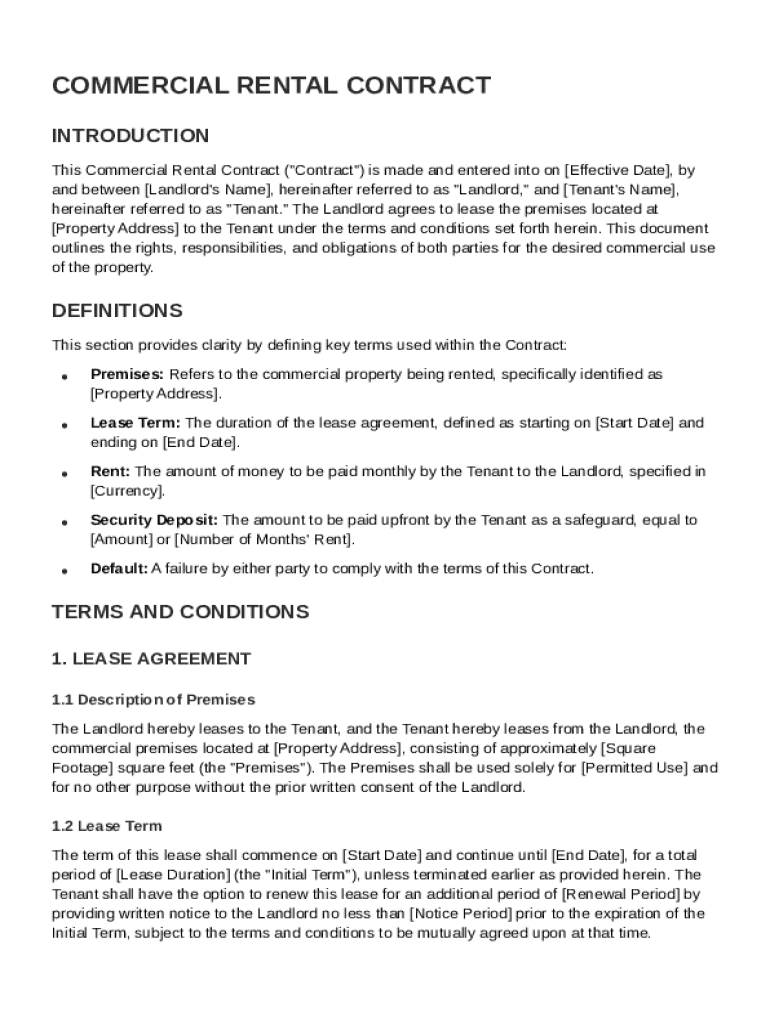
A Commercial Rental Contract Template is a structured document that outlines the agreement between a landlord and a tenant for the rental of commercial property. The template serves as a legal framework that details the terms of the lease, protecting the interests of both parties by clearly defining responsibilities and expectations. It includes critical information such as lease duration, rental rates, security deposits, and usage restrictions, ensuring that both parties understand their obligations. Utilizing a template helps standardize these agreements, reducing the potential for misunderstandings and disputes over terms.
Key Elements of the Commercial Rental Contract Template
The key elements of a Commercial Rental Contract Template are designed to provide comprehensive coverage of all aspects of the lease agreement. These elements include:
- Lease Term: Specifies the start and end date of the lease. It may also include options for renewal.
- Rent Amount and Payment Terms: Details the monthly rent, the due date, acceptable payment methods, and any late fees or penalties.
- Security Deposit: Outlines the amount required, conditions for return, and circumstances under which deductions might occur.
- Permitted Use: Defines acceptable uses for the property to ensure compliance with zoning laws and the landlord's expectations.
- Maintenance and Repairs: Clarifies responsibilities for property upkeep, including who covers costs for specific repairs.
- Insurance Requirements: Specifies necessary insurance policies for both tenant and landlord, ensuring adequate coverage.
- Default and Termination Conditions: Describes scenarios that constitute a breach of contract and the procedures for resolution or eviction.
Each of these elements is crucial to ensure that both the landlord and tenant have a clear understanding of their rights and responsibilities.
How to Use the Commercial Rental Contract Template
To use a Commercial Rental Contract Template, start by reviewing the document to ensure that it suits your specific needs. Here’s a general guideline on how to use the template effectively:
- Customization: Adjust the standard terms to align with your specific rental agreement details.
- Fill Out Basic Details: Include the landlord’s and tenant’s names, addresses, the property description, and other identifying information.
- Specify Lease Details: Fill in the lease term, rental amount, and payment schedule.
- Detail Specific Clauses: Customize sections regarding maintenance, permitted use of property, and any additional terms.
- Review Legal Requirements: Ensure compliance with state and local laws, adjusting any terms as necessary.
- Seek Legal Review: Have a legal professional review the contract to verify enforceability.
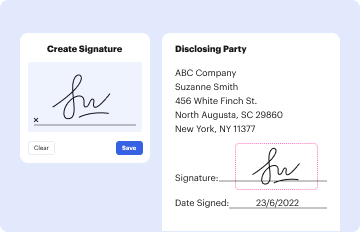
- Sign and Date: Once both parties are satisfied, sign and date the contract to formalize the agreement. Use DocHub for secure electronic signing.
By following these steps, you ensure that both parties are aware of their obligations and have a legally binding document that can guide their relationship.
Examples of Using the Commercial Rental Contract Template
Utilizing a Commercial Rental Contract Template can be beneficial in numerous scenarios, such as:
- New Businesses: A startup or small business entering into a lease for the first time can use the template to establish terms clearly while ensuring compliance with legal requirements.
- Franchise Leasing: Franchise owners can use the template to standardize terms across different locations, ensuring uniformity in agreements.
- Property Management Companies: These companies can save significant time by employing templates for all their rental properties, allowing for quick adaptation to various leases.
- Real Estate Agents: Agents can use the template to guide their clients through the leasing process, ensuring that no critical elements are overlooked.
These examples illustrate the versatility of the template in addressing the needs of various stakeholders involved in commercial leasing.
State-Specific Rules for the Commercial Rental Contract Template
State-specific rules play a crucial role in shaping the terms of a Commercial Rental Contract. Variations exist in areas such as:
- Security Deposit Regulations: States differ on limits for security deposits and stipulations on how they must be handled.
- Zoning Laws: Certain states may have specific zoning requirements impacting how commercial properties can be used.
- Notice of Rent Increase: Variances exist in the notice period required for increasing rent.
- Eviction Procedures: Local laws dictate the process for evicting tenants, protecting their rights and ensuring due process.
Ensure your contract is compliant by reviewing relevant state regulations or consulting legal advice.
Legal Use of the Commercial Rental Contract Template
To ensure the legality of a Commercial Rental Contract Template, several compliance steps should be taken:
- Ensure All Mandatory Clauses are Included: Verify that all legally required terms are present in the agreement.
- Adhere to Anti-Discrimination Laws: Compliance with the Fair Housing Act is mandatory, prohibiting discrimination based on race, color, national origin, religion, sex, familial status, or disability.
- State-Specific Legal Reviews: Regularly update your template to align with changes in state and federal laws.
- Electronic Signatures: Utilize platforms like DocHub that provide legally binding electronic signatures in compliance with the ESIGN Act.
Employing these strategies guarantees that your rental contract remains enforceable and protects against legal disputes.
Who Typically Uses the Commercial Rental Contract Template
The Commercial Rental Contract Template is commonly used by:
- Landlords and Property Owners: To formalize agreements with tenants while protecting their investments.
- Tenants: To secure a commercial space with clarity on terms and conditions.
- Real Estate Attorneys: To draft or review agreements on behalf of clients.
- Property Management Firms: To standardize leasing processes across various properties.
- Commercial Leasing Agents: To prepare and negotiate lease agreements tailored to client needs.
Each of these users leverages the template to streamline the leasing process, ensuring that all parties are on the same page legally and operationally.


Steps to Complete the Commercial Rental Contract Template
Completing a Commercial Rental Contract Template involves several precise steps:
- Download and Review: Obtain the template and examine the sections to understand what needs to be filled out.
- Input Property Information: Accurately describe the commercial property’s location, square footage, and type of business it accommodates.
- Fill in Tenant and Landlord Details: Include all pertinent contact information for formal recording.
- Define Terms and Conditions: Articulate the agreed-upon rental terms, including payment amount, due dates, and length of the lease.
- Address Maintenance and Repairs: Specify who is responsible for what types of maintenance and repairs.
- Clarify Insurance Requirements: Input respective insurance obligations for liability coverage.
- Include Signature Lines: Set up areas for both parties to sign and date, finalizing the contract.
By completing these steps systematically, both parties can ensure a mutual understanding and adherence to the agreement's terms.