
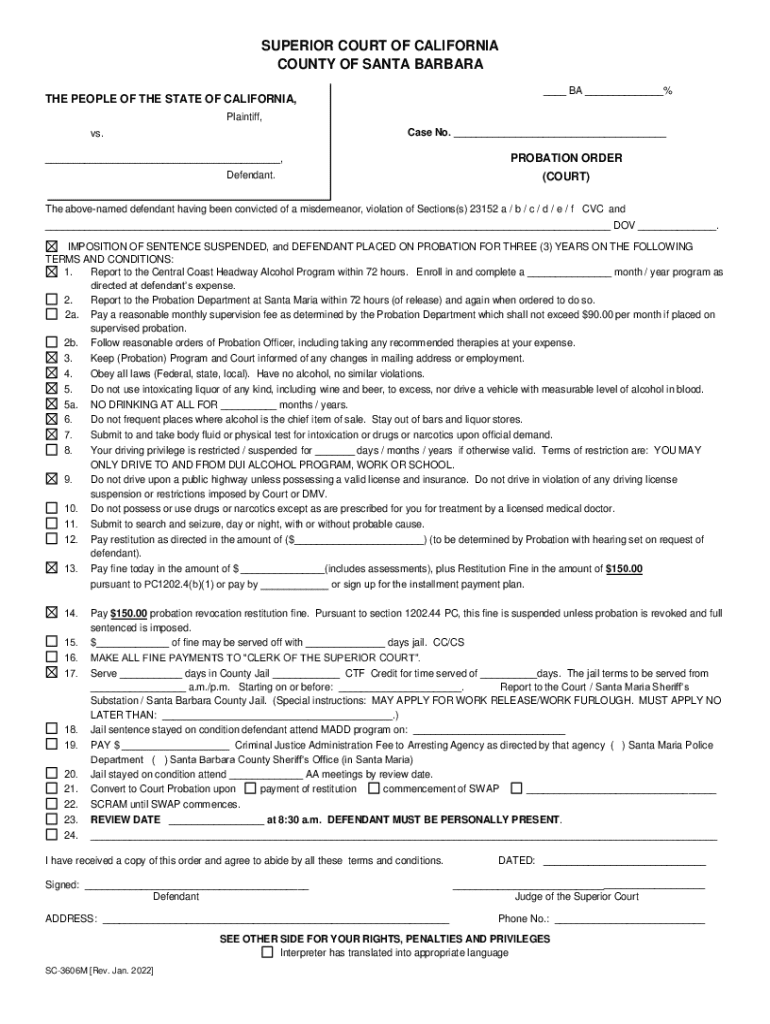







Definition and Meaning of BA %
The term "BA %" typically stands for "Business Activity Percentage." It is used to represent a measure in financial or business contexts to evaluate the share of total activities attributable to a specific segment of a business operation. The percentage reflects how much of the overall business activity can be ascribed to a particular source or operation. This metric is particularly relevant for assessing performance, allocating resources, and identifying growth opportunities within an organization.
Importance of Understanding BA %
- Performance Measurement: BA % helps in gauging the contribution of different business segments to overall performance.
- Resource Allocation: By identifying the activity level, businesses can allocate resources effectively.
- Growth Opportunities: It can reveal which areas have potential for expansion based on historical activity levels.
How to Use the BA %
The BA % is used as an analytical tool to provide insights into business operations. Understanding its calculation and application can drive strategic decisions and operational improvements.
- Determine Scope: Identify which segment or activity you want to measure.
- Collect Data: Gather data on total business activity and the specific segment activity.
- Calculate Percentage: Divide the segment activity by total activity, then multiply by 100 to get the BA %.
Scenarios for Usage
- Departmental Efficiency: Evaluate which departments are most efficient by comparing their BA %.
- Sales Analysis: Determine which product lines are driving sales growth.
- Market Penetration: Assess the effectiveness of marketing campaigns in different regions.
Steps to Complete the BA %
Completing a BA % analysis involves several precise steps that ensure accuracy and relevance to your business needs.
- Set Objectives: Clearly define what you want to learn from the BA %.
- Data Collection: Use accurate and comprehensive data for both the segment and total activity.
- Perform Calculations: Apply the BA % formula consistently across all desired segments.
- Interpret Results: Analyze the results to draw meaningful conclusions.
- Report Findings: Create detailed reports to share insights with stakeholders.
Who Typically Uses the BA %
The BA % is utilized by a variety of professionals and industries, each benefiting in unique ways from its insights.


Common Users
- Financial Analysts: For evaluating company performance.
- Business Managers: To make informed operational decisions.
- Sales Teams: To identify high-performing products or services.
- Marketing Departments: To assess the effectiveness of promotional strategies.

Industry Applications
- Retail: Understanding product performance.
- Manufacturing: Streamlining production processes.
- Service Industries: Measuring service delivery efficiency.
Key Elements of the BA %
Understanding the components that constitute the BA % ensures that its calculation and application are performed accurately.
- Total Business Activity: The sum of all activities over a specific period.
- Segment Operations: The individual or target activities being measured.
- Consistent Metrics: Using standardized measurements for comparison.
- Timeframe Specificity: Ensuring the same period is used for all compared metrics.
Considerations
- Data Consistency: Ensure data is reliable and consistent.
- Segmentation Appropriateness: Choose segments that truly impact business goals.
- Metrics Relevance: Select measurements that reflect true business performance.
Legal Use of the BA %
In the business world, the BA % can carry legal implications, particularly in compliance and reporting scenarios.
Regulatory Compliance
- Financial Reporting: BA % helps in meeting regulatory standards by providing a clear picture of business operations.
- Taxation: Used to accurately report income from various segments.
- Contractual Obligations: Helps assess performance clauses in business contracts.
Legal Significance
- Audits: A well-documented BA % proves the accuracy of internal audits.
- Dispute Resolution: Serves as evidence in case of contract disputes or business disagreements.
Examples of Using the BA %
Real-world examples highlight the application of BA % across different scenarios and industries.
- Retail Sector: Calculating BA % for seasonal products to optimize inventory.
- Manufacturing: Using BA % to improve efficiency by streamlining low-performance areas.
- Service Industry: Identifying customer service efficiencies to enhance client satisfaction.
Case Studies
- Retail Chains: A multi-national retailer uses BA % to boost sales in underperforming regions.
- Manufacturing Firms: A factory achieves cost savings by reallocating resources based on BA % insights.
Software Compatibility and Digital Tools
BA % calculations and analysis are often supported by various software tools, providing enhanced accuracy and ease of use.
Compatible Software
- Accounting Tools: QuickBooks, Xero
- Data Analysis Platforms: Microsoft Excel, Google Sheets
- ERP Systems: SAP, Oracle
Benefits of Software Integration
- Efficiency: Automate calculations and report generation.
- Accuracy: Reduce errors by relying on software logic and database connections.
- Visualization: Use graphical representations to better understand BA % results.
Disclosure Requirements and Compliance
Maintaining transparency and adherence to disclosure requirements is crucial when dealing with BA % analytics.
Disclosure Best Practices
- Clear Reporting: Ensure all relevant parties are informed of the BA % findings.
- Regular Updates: Periodically review and disclose BA % to stakeholders.
- Transparency: Provide detailed explanations of how BA % is calculated and interpreted.
Compliance Measures
- Documentation: Keep thorough records of all BA % calculations and their bases.
- External Audits: Have third-party audits to affirm the credibility of BA % reports.
- Legal Counsel: Consult with legal advisors to maintain compliance with industry-specific laws and regulations.


