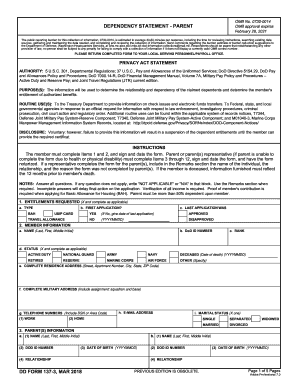
Definition and Purpose of the interRAI Home Care (HC) Assessment Form
The interRAI Home Care (HC) Assessment Form is a comprehensive tool used to evaluate the needs and strengths of individuals receiving home care services. It covers various aspects of their personal and medical information to ensure proper care delivery. This structured form helps in collecting essential data such as personal details, goals of care, payment sources, and living arrangements. By establishing a clear understanding of a person's care needs, the form aids healthcare professionals in creating tailored care plans.
Importance in Home Care
- Personalized Care: By identifying specific needs and preferences, the form assists in developing personalized care strategies.
- Data Standardization: Ensures consistent information collection across different home care settings.
- Resource Allocation: Helps allocate resources effectively by assessing levels of care required.
- Quality Improvement: The uniformity in data collection aids in monitoring and improving care quality.
Steps to Complete the interRAI HC Assessment Form
Completing the interRAI HC Assessment Form involves detailed analysis and accurate data entry. This section outlines the necessary steps to ensure comprehensive completion.
-
Gather Required Information:
- Collect personal details of the individual such as name, age, and contact information.
- Obtain medical history and current health status, including chronic conditions and medications.
-
Engage with the Individual and Caregivers:
- Conduct interviews with the person receiving home care and, if applicable, their family or caregivers.
- Discuss their goals of care and any specific preferences or concerns.
-
Complete Each Section Methodically:
- Fill out sections on living arrangements and assessment reasons thoroughly.
- Ensure accuracy in payment sources and insurance details.
-
Review and Verify Information:
- Double-check each entry for accuracy and completeness.
- Cross-verify with the individual or their caregivers to avoid discrepancies.
-
Submit the Form:
- Follow submission protocols, whether online, by mail, or in-person, ensuring all required signatures are obtained if applicable.
Who Typically Uses the interRAI HC Assessment Form
This assessment form is primarily used by professionals in the healthcare and social services sectors.
- Home Care Providers: Utilize it to plan and deliver effective home care services.
- Case Managers: Coordinate care and services using the data collected.
- Healthcare Professionals: Assess patient needs and adjust treatment plans accordingly.
- Government Agencies: Monitor and improve home care services and policies.


Key Elements of the interRAI HC Assessment Form
Understanding the critical components of the interRAI form ensures its effective use. This section highlights crucial elements included in the assessment.
- Identification Information: Personal and demographic data such as age, gender, and contact details.
- Health Status: Current medical conditions, medications, and any health-related goals.
- Functional Abilities: Assesses mobility, cognitive function, and daily living activities.
- Psychosocial Factors: Examines mental health status, social interactions, and emotional well-being.
- Service Utilization: Records previous and current use of health services and supports.
Legal Considerations and Compliance
Ensuring the legal use of the interRAI HC Assessment Form is crucial for compliance and integrity.
Compliance Requirements
- Confidentiality: Adhere to privacy laws protecting individual health information.
- Authorization: Obtain necessary consents prior to completing the form.
- Accuracy: Maintain detailed and truthful records to avoid legal complications.
Penalties for Non-Compliance
Failure to comply with legal and ethical standards can result in:
- Fines and Penalties: Legal repercussions for breaches in confidentiality or fraudulent entries.
- Revocation of Licenses: Healthcare providers may face disciplinary action, including loss of licenses.
Digital vs. Paper Versions of the Form
The interRAI HC Assessment Form can be accessed in both digital and paper formats. Understanding the differences between these versions can improve workflow efficiency.
Advantages of Digital Use
- Ease of Access: Available electronically, facilitating remote access and completion.
- Data Management: Simplifies data entry, storage, and retrieval processes.
- Integration: Allows integration with electronic health records for seamless updates.
Paper Version Suitability
- Accessibility: Useful in environments without reliable internet access or digital infrastructure.
- Tangible Records: Provides physical copies for individuals who prefer printed documentation.
State-Specific Rules and Variations
The application and requirements of the interRAI HC Assessment Form may vary by state due to local regulations and policies.
Variations Across States
- Regulatory Differences: State-specific regulations might influence how data is collected and utilized.
- Eligibility Criteria: Criteria for receiving home care services could differ, impacting assessment protocols.
- State Funded Programs: Eligibility and use of the form in state-funded programs may vary.
Understanding these regulations ensures compliance and effective use of the form in the intended jurisdiction.
Software Compatibility and Integration
DocHub offers seamless integration and compatibility with various software platforms, enhancing the utility of digital interRAI HC Assessment Forms.
- Google Workspace: Direct integration allows users to import and export documents efficiently.
- Electronic Health Records (EHRs): Compatible with many EHR systems, enabling direct data transfers.
- Popular Software Platforms: Works alongside software like TurboTax or QuickBooks for users needing data-sharing capabilities.
These integrations streamline documentation and ensure data remains accessible, secure, and up-to-date.