Definition & Meaning
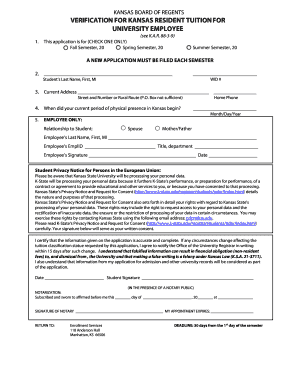
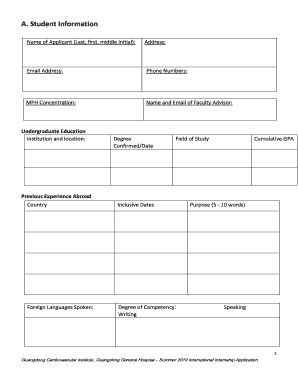
The Healthy Lifestyle Questionnaire Sample is a structured tool designed to collect personal and health-related information from individuals. It aims to provide healthcare providers with essential data to deliver optimized medical care while preserving the confidentiality of the respondents. By collecting information on factors such as mental health, substance use, demographic details, and military service history, this questionnaire facilitates a comprehensive understanding of an individual's lifestyle and health status.
Features of the Questionnaire
- Personal Information: Collects basic identification data, such as name and age.
- Health History: Gathers information on past and present health conditions.
- Lifestyle Habits: Includes sections on diet, exercise frequency, and substance use.
- Mental Health: Asks questions related to emotional well-being and stress levels.
- Demographics: Captures demographic details including ethnicity, gender, and socio-economic status.
Importance of Confidentiality
- Information is collected under strict privacy rules.
- Only accessible to authorized healthcare professionals.
- Designed to build trust between patient and provider through transparency about data use.
How to Use the Healthy Lifestyle Questionnaire Sample
The Healthy Lifestyle Questionnaire Sample serves as a robust tool for both providers and individuals seeking to understand and improve health outcomes. Its application spans several scenarios in healthcare and lifestyle assessments.
Steps to Implement the Questionnaire
- Preparation: Ensure the participants understand the purpose and importance of the questionnaire.
- Completion: Instruct individuals to complete all sections honestly.
- Review: Allow healthcare providers to analyze the responses carefully.
- Discussion: Use the results to guide a detailed discussion about potential lifestyle changes or medical interventions.
Practical Uses
- Initial Healthcare Assessments: Used during a patient's first visit to a healthcare provider.
- Periodic Health Evaluations: Employed during routine check-ups to assess lifestyle changes over time.
- Targeted Health Programs: Utilized in specific programs such as smoking cessation or diabetes management.
Steps to Complete the Healthy Lifestyle Questionnaire Sample
Completing the Healthy Lifestyle Questionnaire Sample involves careful attention to detail to ensure accurate data collection.
-
Personal Information Section: Fill in basic demographic data, including name, date of birth, and contact information.
- Note: Ensure all fields are accurate to avoid confusion or errors in data entry.
-
Health History and Current Conditions: Provide detailed descriptions of any past medical issues, as well as current health problems.
- Important: Include information on medications being taken, if any.
-
Lifestyle and Habits Assessment: Answer questions about daily routines, dietary habits, physical activity, and substance use honestly.
- Example: Specify how many servings of fruit and vegetables are consumed daily.
-
Mental Health Evaluation: Self-report feelings related to stress, anxiety, or depression.
- Tip: Use this section to highlight any significant mental health concerns impacting lifestyle.
Key Elements of the Healthy Lifestyle Questionnaire Sample
Understanding the core components of the Healthy Lifestyle Questionnaire Sample can greatly enhance its effectiveness.
Main Sections
- Introduction/Instructions: Provides a brief overview and instructions on completing the questionnaire.
- Data Collection Fields: Asks for specific responses tailored to health and lifestyle.
- Response Section: May include both closed and open-ended questions to capture detailed insights.
Data Integrity and Accuracy
- Clear Instructions: Ensures each respondent completes the questionnaire correctly.
- Standardized Questions: Allows for easier comparison and analysis of data.
- Validity and Reliability: Maintains consistent results across diverse populations.
Who Typically Uses the Healthy Lifestyle Questionnaire Sample
This questionnaire is widely used across various domains where understanding health behavior is essential.


Primary Users
- Healthcare Providers: Doctors, nurses, and allied health professionals utilize this tool to assess patient needs.
- Health Coaches and Nutritionists: Leverage data for crafting personalized lifestyle interventions.
- Researchers: Use it in studies examining population health trends and behaviors.
Target Populations
- Adults undergoing routine medical check-ups
- Individuals participating in wellness programs
- Patients in comprehensive health evaluations
Legal Use of the Healthy Lifestyle Questionnaire Sample
Compliance with legal standards is critical when using the Healthy Lifestyle Questionnaire Sample. It must be aligned with state and federal regulations to ensure ethical practices.
Legal Considerations
- Confidentiality Agreements: Protect sensitive information.
- Ethical Use Policies: Ensure data is used only for stated purposes.
- Informed Consent: Participants explicitly consent to data collection and use.
Examples of Using the Healthy Lifestyle Questionnaire Sample
Real-world scenarios illustrate the questionnaire's versatility in promoting healthier lives.
Case Studies
- Community Health Initiative: Implemented in a small town to identify prevalent health issues and plan targeted interventions.
- Corporate Wellness Programs: Used to assess employee health risks and tailor company-wide wellness strategies.
- Hospital Intake Procedures: Integrated into patient onboarding processes to enhance care delivery.
Software Compatibility
The Healthy Lifestyle Questionnaire can be managed efficiently with various document management tools, making the digital handling of questionnaires efficient and organized.
Compatible Software
- DocHub: Offers a robust platform for creating and managing fillable forms.
- Google Workspace: Integration ensures seamless workflow with Google Drive and related apps.
- Microsoft Office: Word and Excel compatibility for data analysis and reporting.
Benefits of Digital Handling
- Improved Accuracy: Reduces errors associated with manual entry.
- Ease of Access: Accessible from multiple devices for remote data review.
- Efficient Storage: Digital records are easy to manage and secure.