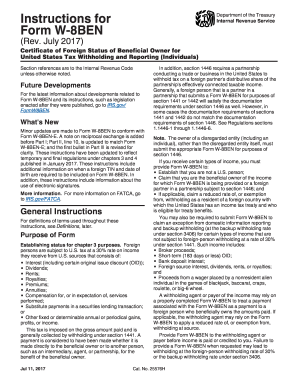
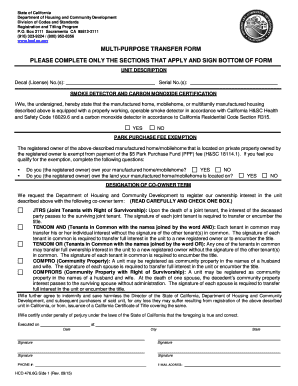
Definition and Purpose of the Form Online
The concept of a "form online" refers to digital versions of traditional paper forms that are completed, submitted, and often processed through internet platforms. These forms encompass a wide range of uses, from tax filings and legal documentation to applications for services and permits. They streamline the documentation process by facilitating easy access, user-friendliness, and the ability to handle submissions from remote locations.
Benefits of Using Forms Online
- Accessibility: Access and fill out forms from anywhere with an internet connection, removing the need for physical presence or postal services.
- Efficiency: Allows for faster processing times and helps eliminate errors through built-in checks and guidance.
- Cost-Effectiveness: Reduces costs associated with printing, mailing, and physical storage of documents.
- Environmentally Friendly: Lowers paper consumption, contributing to environmental sustainability efforts.
Practical Examples
Forms online are used for a variety of purposes, including:
- Tax Forms: e.g., IRS Form 1040 for individual tax returns.
- Permit Applications: e.g., building permits that require multiple signatures.
- Legal Documents: e.g., contracts that need e-signatures.
- Government Services: e.g., applications for social security benefits.
Steps to Complete a Form Online
Completing a form online generally involves several stages that ensure accurate data entry and successful submission. Understanding each step helps prepare individuals for the process.
- Locate the Form: Identify the specific form you need based on your requirements. Forms may be accessed via official websites or third-party platforms.
- Gather Required Information: Collect all necessary data and documents beforehand to ensure a smooth and uninterrupted process.
- Access and Review the Form: Open the form on a reliable device. Review the instructions and requirements carefully.
- Complete the Form: Enter the required information in the designated fields. Most online forms will guide you through the completion process, highlighting mandatory fields.
- Verify and Attach Documents: Double-check the entered information for accuracy. Attach any necessary documentation in the specified format, if required.
- Submit the Form: Once complete, submit the form through the platform's submission process. Some forms may require a confirmation or receipt for your records.
- Track Submission Status: Keep track of your submission. Many systems provide an acknowledgment email or reference number.
Important Terms Related to Forms Online
Several terms are frequently encountered when dealing with forms online. Understanding these is crucial for efficient navigation and completion.
- Digital Signature: An electronic method of signing a document, ensuring the authenticity and integrity of the signature.
- Encrypted Transmission: The secure transfer of data to prevent unauthorized access during the filing process.
- Form Fields: The input areas where information is entered, such as text boxes, dropdowns, and check boxes.
- Submission Confirmation: A notification that your form has been successfully submitted, often including a reference or transaction number.
- Multi-Factor Authentication: A security measure used to protect access to the form while ensuring that it is completed by the intended party.
Legal Use of the Form Online
Forms completed online are typically bound by the same legal frameworks as their paper counterparts. Compliance with these regulations is essential to ensure legality and acceptance.
Binding Agreements and Compliance
- ESIGN Act: This law in the United States gives electronic signatures the same legal effect as handwritten signatures, thus supporting the use of online forms.
- Data Privacy Laws: Regulations like GDPR or CCPA mandate the protection of personal information submitted through online forms.
- Audit Trails: Many platforms maintain a detailed record of who has accessed or modified the document, ensuring transparency and accountability.
Case Study
Consider an employment contract signed using an online form. The digital signature affirms mutual agreement on terms, while a detailed audit trail provides evidence of each party's consent, safeguarding against disputes.
Key Elements of the Form Online
To effectively utilize online forms, it is important to recognize their critical components which can vary by form type but generally include:
- User Interface: A straightforward design that enables easy navigation and form completion.
- Validation Scripts: Automated checks that ensure field entries are correctly formatted and compliant with required standards.
- Submit and Reset Options: Allows users to submit the form or reset their entries if needed.
- Help and Support Resources: Provided within the form for immediate assistance if issues arise during completion.
State-Specific Rules and Requirements
Different states may impose unique requirements on certain forms, influencing how they are completed and filed online.
Variations Across States
- Notarization Rules: Some legal forms may require an in-person notary in certain states.
- Filing Fees: States may charge different fees for processing forms, and these are often specified during the online form submission process.
- Signature Requirements: Electronic signatures may not be accepted for certain documents in specific jurisdictions.
Understanding these nuances is particularly vital for legal and official documentation to avoid rejection or delays in processing.
Examples of Using the Form Online
Online forms have established themselves as indispensable tools across various sectors, showcasing versatility in their application.
Real-World Applications
- Medical Industry: Patient intake forms that streamline the check-in process at healthcare facilities.
- Education Sector: Application forms for students applying to colleges and universities.
- Real Estate Transactions: Lease agreements and property deeds processed efficiently through digital signatures and online forms.
In each case, the emphasis is on speeding up routine processes and enhancing accuracy and efficiency compared to traditional paper methods.