
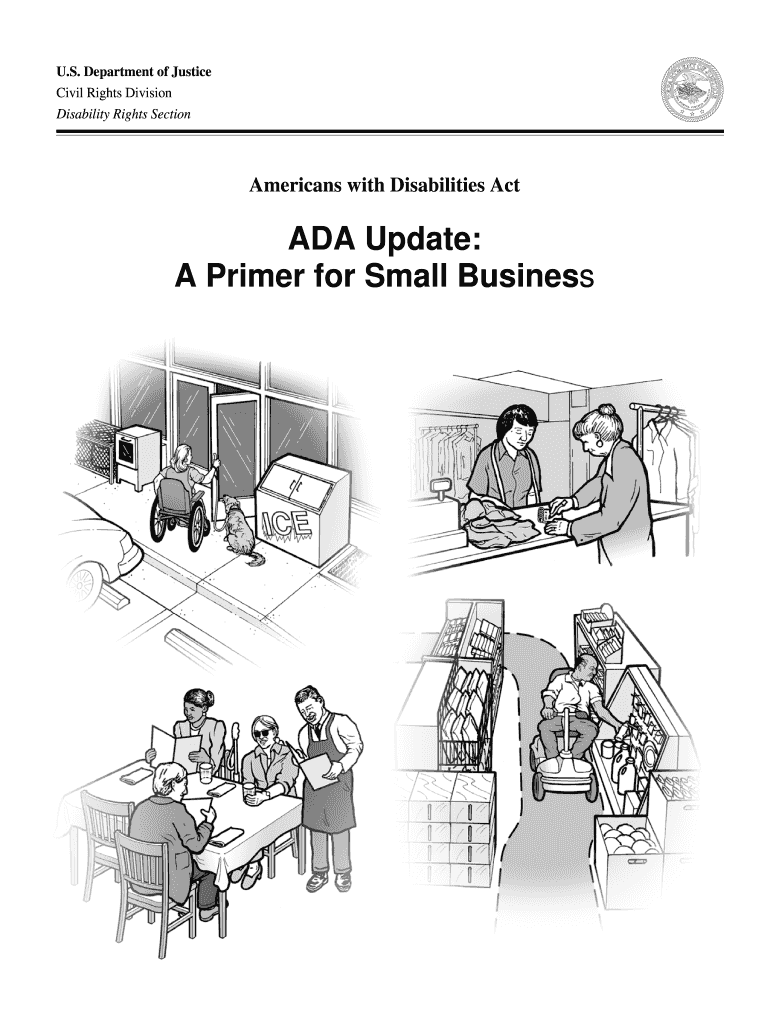







Definition and Purpose of the U.S. Department of Justice Disability Rights Section
The U.S. Department of Justice Disability Rights Section is a division within the Civil Rights Division that focuses primarily on implementing and enforcing the Americans with Disabilities Act (ADA) and other federal disability rights laws. Its main purpose is to ensure that individuals with disabilities have equal rights and opportunities, particularly in public sectors and businesses. This section provides guidance, educational resources, and enforcement mechanisms to combat discrimination and promote accessibility.
Key Responsibilities
- Enforcing compliance with the ADA across various sectors, including private businesses and public services.
- Offering technical assistance and guidance to entities seeking compliance with disability rights laws.
- Conducting investigations and litigation related to disability discrimination cases.
- Supporting the rights of individuals with disabilities through outreach and public education programs.
How to Use the U.S. Department of Justice Disability Rights Section
Utilizing the Disability Rights Section involves understanding the resources and support mechanisms available to individuals and organizations. The section can be a vital tool for businesses, advocacy groups, and individuals seeking to understand their rights or responsibilities under the ADA and related laws.
Available Resources
- Access to a wide range of informational materials, including FAQs, fact sheets, and guides on ADA compliance.
- Online question-and-answer tools for specific ADA-related inquiries.
- Opportunity to submit complaints related to ADA violations via online forms.
Support for Businesses
- Businesses can receive guidance on making their facilities and services accessible.
- Access to compliance training workshops and seminars.
- Consultation services for developing effective accessibility policies and practices.
Steps to Complete the U.S. Department of Justice Disability Rights Section’s Complaint Process
Filing a complaint with the Disability Rights Section involves navigating a structured process to ensure that all relevant information is captured for proper action.
Step-by-Step Process
- Prepare Information: Gather all pertinent details, including dates, times, and descriptions of incidents pointing to potential ADA violations.
- Submit Complaint: Utilize the online form available on the Department of Justice’s website or send a written complaint by mail.
- Investigation: The Disability Rights Section reviews the complaint and may conduct an investigation, which can include reaching out to businesses for clarification or corrective action.
- Resolution: The section may resolve the issue through negotiation, mediation, or litigation to achieve compliance.
Who Typically Uses the U.S. Department of Justice Disability Rights Section
The Disability Rights Section is predominantly used by individuals with disabilities, disability rights advocates, legal professionals, and business owners aiming to ensure ADA compliance.


Users and Use Cases
- Individuals with Disabilities: To report discrimination or access issues.
- Advocacy Groups: To support cases involving systematic discrimination.
- Legal Practitioners: To leverage enforcement mechanisms for their clients.
- Business Owners: To seek guidance on compliance to prevent legal issues and foster inclusivity.
Important Terms Related to the U.S. Department of Justice Disability Rights Section
Familiarity with specific terms can enhance understanding and facilitate effective communication when dealing with ADA-related issues.
Key Terms and Definitions
- Accessibility: The quality of being easy to approach or use, particularly for those with disabilities.
- Reasonable Accommodation: Adjustments or modifications provided by an employer or entity to enable people with disabilities to participate equally in work or services.
- Barrier Removal: Actions taken to remove obstacles in existing facilities that restrict access to individuals with disabilities.
Legal Use of the U.S. Department of Justice Disability Rights Section
The Disability Rights Section plays a critical role in the legal framework supporting disability rights, providing mechanisms to address discrimination and reinforce the principles of the ADA.
Compliance and Enforcement
- The section enforces ADA regulations through legal proceedings and settlements.
- Businesses and institutions are held accountable for failing to adhere to disability rights laws.
- Offers legal guidance and interpretations of ADA provisions to help entities align with legal expectations.
Examples of Using the U.S. Department of Justice Disability Rights Section
Practical examples of how individuals and organizations interact with the Disability Rights Section can illustrate its impact and utility.
Real-World Scenarios
- Case Example 1: An individual with mobility impairments files a complaint after finding a public building lacks wheelchair access. The section investigates and mandates remedial measures.
- Case Example 2: A small business seeks assistance from the section for training to better serve customers with disabilities, leading to improved compliance and customer satisfaction.
- Case Study: A nationwide retail chain partners with the section to overhaul its accessibility policies, resulting in comprehensive barrier removal and enhanced access for all customers.
State-Specific Rules for the U.S. Department of Justice Disability Rights Section
While the ADA provides a federal framework, additional state-specific rules can influence how disability rights are enforced and interpreted.
Variations Across States
- States may have additional requirements or protections that complement federal laws.
- Compliance with both federal and state regulations ensures comprehensive accessibility.
- Businesses and individuals should familiarize themselves with local laws that may affect specific rights and responsibilities under the ADA.
Each of these sections provides detailed insight into the U.S. Department of Justice Disability Rights Section and highlights its critical role in promoting and enforcing disability rights.




