Understanding the Purpose and Usage of the Form Online
The form online serves as an essential tool for streamlining document-related tasks in a digital environment. It simplifies processes such as collecting information, gaining approvals, and managing records. This form is highly adaptable, catering to various needs ranging from individual use to complex business operations. By leveraging online forms, users can efficiently gather data, ensure accuracy, and expedite operations without relying on paper-based methods.
Key Benefits of Using Forms Online
- Ease of Accessibility: Forms can be accessed and submitted from any location with internet connectivity, making them a convenient option for users remote or on-the-go.
- Efficiency: Online forms reduce processing time by automating data entry and decreasing the need for manual handling.
- Cost-Effectiveness: By minimizing the use of paper, online forms help reduce costs associated with printing, mailing, and physical storage.
How to Obtain and Use the Form Online
To utilize an online form efficiently, users typically need to access it through a dedicated platform or service. DocHub, for instance, simplifies the process by allowing users to import or create forms directly within its interface.
Process of Locating and Accessing Forms
- Visit DocHub: Start by navigating to the platform's website or app on your device.
- Create or Import: Users can either create a new form from scratch or import existing documents.
- Customize: Modify the form according to specific requirements by adding fillable fields and other necessary elements.
Completing the Form
- Input Information: Users can type directly into text fields, select options from drop-down menus, checkboxes, or upload relevant documents.
- Save Progress: Occasionally save the form to prevent data loss.
- Review and Submit: Carefully review the information, making sure everything is accurate before finalizing the submission.
Steps to Complete the Form Online
Completing a form online involves several steps designed to ensure accuracy and completeness of information. This section outlines a general procedure that can be adapted based on specific requirements.
Step-by-Step Process
- Initiate the Form: Begin by accessing the form through DocHub or another online service.
- Fill in Required Fields: Enter accurate information in mandatory fields to ensure completion.
- Add Signatures and Attachments: If required, attach additional documents or provide electronic signatures.
- Verify Entries: Double-check all entries for errors or omissions.
- Submit the Form: Once complete, submit the form through the platform's submission system.
Common Tips for Effective Completion
- Read Instructions Carefully: Understand required fields and any specified formats before beginning.
- Use Clear and Concise Language: Ensure that any written responses are clear, concise, and free from ambiguity.
- Maintain Consistency: Consistent formatting across entries improves clarity and professionalism.
Legal Considerations for Forms Online
When using forms online, it's important to understand the legal implications involved, especially in the U.S. context. Legal compliance ensures the validity and enforceability of form submissions.
Understanding Legal Use
- ESIGN Act Compliance: Electronic forms and signatures are valid and enforceable under the ESIGN Act, providing they meet certain criteria.
- Confidentiality and Privacy: Protecting user data is crucial; ensure that forms comply with relevant data protection laws, like HIPAA for medical information.
Privacy and Security Aspects
- Encryption and Authentication: Ensure data is encrypted and access is secure to prevent unauthorized use.
- Consent and Disclosure: Clearly explain how information will be used and obtain user consent where necessary.
Important Elements and Considerations in Form Design
Effective design is central to the functionality of online forms, impacting user experience and data collection efficiency.
Key Elements
- User-Friendly Interface: Intuitive layouts and responsive design facilitate ease of use across devices.
- Progress Indicators: For multi-page forms, progress bars help users understand how much of the process remains.
- Error Validation: Instant feedback on incorrect entries guides users to correct mistakes in real-time.
Recipients and Accessibility
- Assigning Roles: Define roles for recipients who need to complete or review different form sections.
- Mobile Accessibility: Ensure forms are mobile-friendly, allowing easy access from smartphones and tablets.
State-Specific Rules and Variations
Some forms may be subject to state-specific regulations or guidelines, particularly for legal or bureaucratic documents.
Importance of Local Compliance
- Variation Across States: Different states may have unique requirements concerning form content and procedures.
- Adapting Forms to Local Requirements: When a form's applicability varies by location, ensure the form is tailored to meet state-specific criteria.
Examples of State-Specific Forms
- Tax Documents: Varying requirements for state tax returns compared to federal ones.
- Regulatory Permits: Forms like business licenses may differ based on local jurisdiction rules.
Examples of Using the Form Online
To illustrate practical usage, consider various scenarios where forms online have streamlined procedures and improved efficiency.
Real-World Scenarios
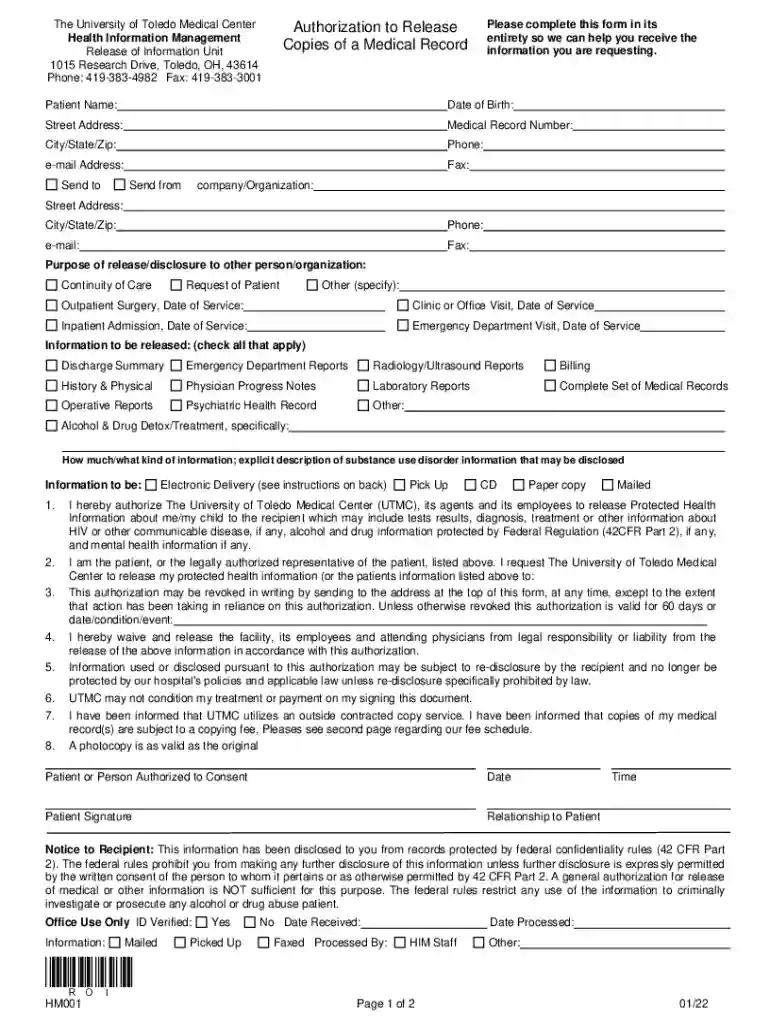
- Healthcare: Collect patient consent for sharing medical records with electronic forms, reducing paperwork.
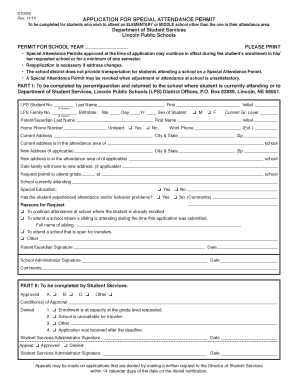
- Education: Universities use online forms for student admissions, facilitating faster and error-free processes.
- Human Resources: Employee onboarding forms help streamline the hiring process with pre-filled common fields and easy submission.
Practical Benefits
- Time Savings: In all scenarios, the immediate transfer of data significantly reduces delays in handling paperwork.
- Data Accuracy: Pre-defined field types and validation rules improve the accuracy of collected information.