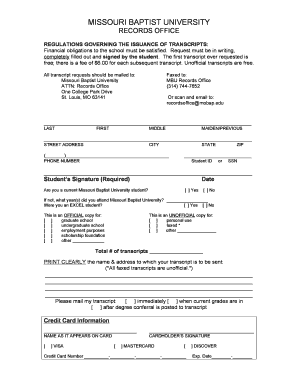
Definition and Purpose of the Document Execution Form
The Document Execution Form serves as a formal procedure to ensure that documents, such as contracts, agreements, and leases, are executed with proper authorization and compliance. It involves detailing the document title, parties involved, and authorization details. This form ensures adherence to governance policies and provides a structured framework for legally binding signatures, thereby maintaining organizational compliance.
How to Use the Document Execution Form
To use the Document Execution Form effectively, one must first gather all relevant information about the document needing execution. This includes understanding the specific contract or agreement terms, identifying all parties involved, and noting the value of the contract. Upon completion of these details in the form, it should be submitted for approval to the necessary committees or authorized personnel. Additionally, any legal or organizational compliance checks should be completed before final execution.
Obtaining the Document Execution Form
Access to the Document Execution Form is typically provided by the issuing organization, such as a university or corporate office. It can be obtained through the internal document management system or requested from the office responsible for legal or administrative affairs. For convenience, many organizations offer the form digitally, ensuring it aligns with their document management protocols, whether online or through direct internal communication channels.
Steps to Complete the Document Execution Form
- Gather Necessary Information: Collect details such as the document title, involved parties, contract value, and authorization requirements.
- Fill Out the Form: Use the information gathered to complete the sections of the form, ensuring all fields are accurately filled.
- Review for Accuracy: Double-check the form for completeness and accuracy, ensuring no sections are left incomplete.
- Submit for Approval: Forward the completed form to the relevant committee or authorized signatory for review and endorsement.
- Finalize and Execute: Upon receiving approvals, proceed with the execution of the document as dictated by organizational procedures.
Why Use a Document Execution Form
Utilizing a Document Execution Form is essential for several reasons. It provides a clear and organized approach for executing legally binding documents while ensuring compliance with internal governance policies. These forms help mitigate risks associated with unauthorized document execution by implementing a structured approval process. Furthermore, they maintain a record of all executed documents, which is crucial for audit and traceability purposes within organizations.
Key Elements of the Document Execution Form
A Document Execution Form typically encompasses several core elements. These include:
- Document Title and Description: Clearly specifies the document's nature and purpose.
- Parties Involved: Identifies all signatories and their respective roles.
- Contract Value: Discloses the financial considerations or value associated with the document.
- Authorization Details: Lists required approvals and endorsements from authorized personnel.
- Legal Review: Includes a section for legal counsel review to ensure compliance with applicable laws and policies.
Legal Use of the Document Execution Form
The Document Execution Form is employed to ensure that document execution adheres to legal standards and regulations. It often involves a legal review, typically by an office of legal counsel or authorized legal personnel, to affirm that the document is compliant with relevant laws and organizational policies. This process helps protect all parties involved from potential legal disputes and ensures the enforceability of the executed document.
Examples of Using the Document Execution Form
The Document Execution Form sees varied applications across different scenarios. For instance:
- An organization might use it when executing a new lease agreement to ensure all terms have been agreed upon and authorized by appropriate parties.
- Universities may utilize this form when engaging in research collaborations requiring formal agreements between academic leaders and external entities.
- Corporate offices often rely on this form when formalizing contracts with vendors or business partners, ensuring every agreement follows company compliance protocols.
By adhering to these guidelines, organizations and individuals can effectively manage the execution of critical documents, ensuring both compliance and legal validity.