




01. Edit your form online
Type text, add images, blackout confidential details, add comments, highlights and more.

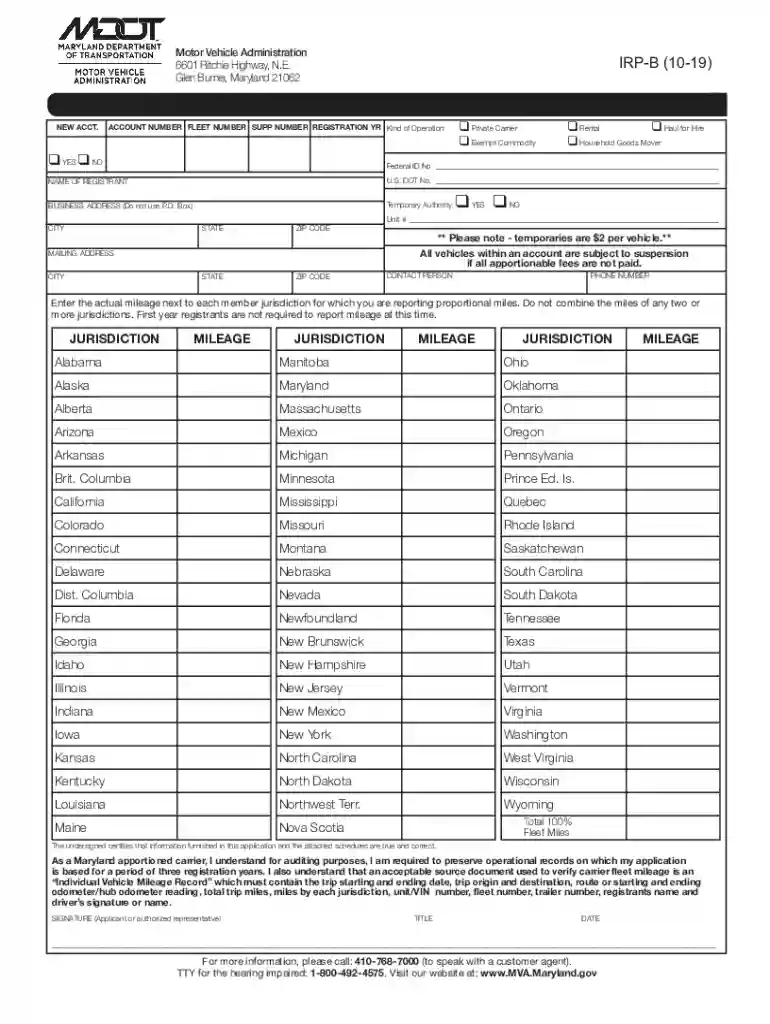
Type text, add images, blackout confidential details, add comments, highlights and more.

Draw your signature, type it, upload its image, or use your mobile device as a signature pad.

Send it via email, link, or fax. You can also download it, export it or print it out.
The Maryland Motor Vehicle Administration (MVA) in Glen Burnie, MD is a state agency tasked with managing vehicle-related services, including registration, licensing, and enforcement of motor vehicle laws. The office not only provides everyday services like issuing driver's licenses and vehicle titles but also plays a crucial role in administering the International Registration Plan (IRP) for fleets. The IRP enables registration across multiple jurisdictions, facilitating streamlined operations for businesses managing extensive fleets. This service is essential for ensuring legal compliance when operating vehicles across state lines.
Completing the fleet registration under the Maryland MVA requires several structured steps. These ensure compliance and protect fleet operators from potential audits or penalties:
For a smooth application process, fleet operators must present a set of specific documents which include:
Adhering to the legal requirements set by the Maryland MVA is critical for fleet operators. The IRP simplifies interstate operations but comes with strict compliance mandates:
The Maryland MVA's fleet registration services primarily target organizations and businesses operating large vehicle fleets. Common users include:


Understanding the terminology associated with Maryland MVA operations improves compliance and efficiency:
Non-compliance with Maryland MVA regulations can have serious repercussions, including:
The Maryland MVA offers both digital and paper versions of the fleet registration process:
Selecting the right approach depends on the size and tech adoption of the organization, with increasing preference toward digital submissions in modern practices.
We've got more versions of the Maryland Motor Vehicle AdministrationGlen Burnie MD form. Select the right Maryland Motor Vehicle AdministrationGlen Burnie MD version from the list and start editing it straight away!
At DocHub, your data security is our priority. We follow HIPAA, SOC2, GDPR, and other standards, so you can work on your documents with confidence.

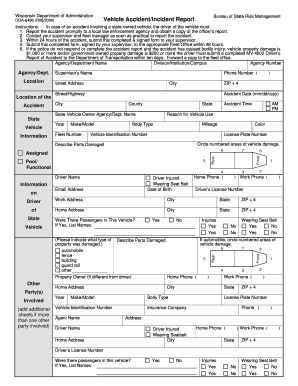
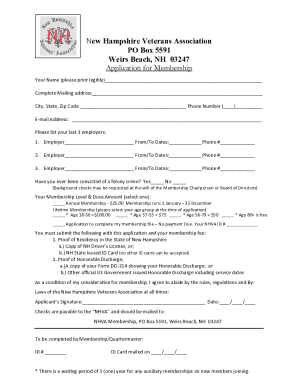
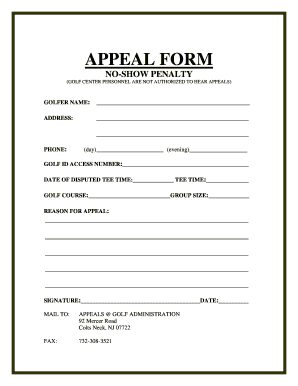
of the Motor Vehicle Administration at 6601 Ritchie Highway, N.E., Glen Burnie, Maryland 21062. B. An individual seeking service of process shall submit a
Contact us 6601 Ritchie Highway N.E. Glen Burnie, MD 21062 Contact Center: 410-768-7000 Maryland Relay: 7-1-1
Three Motor Transport. With Servo-Control Capstan motor. 8142 Vineland Ave. Sun Valley. Md., Bethesda, Audio Associates, 10217 Old Georgetown Rd. Glen Burnie,


