Definition and Meaning of Consent Form
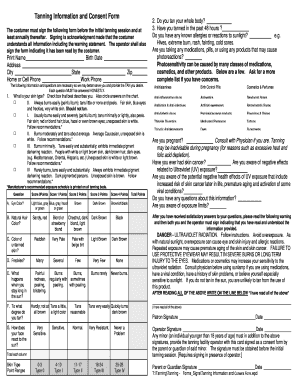
A consent form is a legal document used to outline the terms and conditions of an agreement between parties, ensuring that all involved understand and agree to the specified terms. Within the context of medical, legal, or business environments, a consent form acts as a safeguard, documenting the explicit verbal or written permission given by an individual to proceed with specified actions, activities, or treatments. This form is crucial as it serves to protect both the provider and the receiver by clearly delineating what has been consented to, reducing potential disputes or misunderstandings.
Consent forms can vary in complexity depending on the context—for instance, medical consent forms might include detailed information about the procedures, risks, and benefits involved, while business-related consent forms might focus on sharing personal data or agreeing to terms of service. These forms are designed to ensure transparency and promote informed decision-making, a cornerstone of ethical interactions.
How to Use the Consent Form
Using a consent form involves several key steps to ensure its effectiveness and compliance. Firstly, it's essential to customize the form to suit the specific purpose it is intended for, such as medical procedures, data handling, or participation in research. The form should include comprehensive and clear language that describes the action requiring consent, ensuring comprehensibility for all parties involved.
- Identification: Clearly identify the parties involved, including individuals and organizations. This includes names, addresses, and contact details.
- Purpose: Describe the reason for the form and the specific action being consented to in detail.
- Terms and Conditions: List any terms and conditions that apply to the consent, including the duration of the agreement and conditions under which it can be revoked.
- Acknowledgment of Understanding: Provide space for individuals to acknowledge they have read and understood the terms, often by initialing or signing specific sections.
- Signatures: Ensure that all parties sign and date the document as a testament to their agreement and understanding.
Use of the consent form should also include considerations for secure storage and accessibility, ensuring that the document can be retrieved if needed for future reference or legal proceedings.
How to Obtain the Consent Form
Obtaining a consent form generally involves accessing standardized templates available through various professional organizations or creating a customized document using document editing platforms like DocHub. Here’s how to acquire a consent form:
- Online Resources: Many institutions provide downloadable templates that can be adapted to specific needs. Look for reputable sources relevant to your industry to ensure adherence to best practices.
- Legal Counsel: Consult with legal professionals to craft a consent form tailored to specific requirements and ensure that it meets all legal standards and obligations.
- Document Management Tools: Use platforms like DocHub to create, edit, and manage consent forms digitally. This method offers the ability to customize forms accurately and efficiently, leveraging features like e-signatures.
It's essential to ensure that any obtained consent form complies with current legal frameworks and best practices, providing legally robust documentation.
Steps to Complete the Consent Form
Completing a consent form requires a structured approach to capture all necessary information efficiently:
- Read Thoroughly: Carefully read through the entire form before filling it out, ensuring a comprehensive understanding of the content and implications.
- Fill in Personal Information: Enter personal details required by the form such as name, contact information, and identification numbers or signatures.
- Complete Specific Sections: Provide information specific to the type of consent being requested, paying particular attention to sections that require initials or acknowledgments.
- Review Terms: Verify that all terms, conditions, and statements within the form are acceptable and clearly understood before proceeding.
- Sign and Date: Officially document consent by signing and dating the form. Ensure that all relevant parties do the same.
- Retain a Copy: Make a copy of the completed form for your records and provide copies to all parties involved.
Effective completion of a consent form minimizes the risk of miscommunication and ensures legal compliance.
Who Typically Uses the Consent Form
Consent forms are widely utilized across various sectors including:
- Healthcare: Doctors and medical institutions use consent forms to obtain patient approval for procedures and treatments, ensuring that patients are fully informed of potential risks and outcomes.
- Legal Practices: Lawyers incorporate consent forms to clarify agreements between clients, such as confidentiality agreements or settlements.
- Business Sectors: Companies leverage these forms to secure permission for data collection, participation in promotional activities, or agreeing to terms of use.
- Research Institutions: Researchers obtain consent through these forms before involving participants in studies, acting ethically by informing subjects of their rights and roles.
The adoption of consent forms is primarily guided by the need to protect interests, adhere to legal requirements, and promote clarity and good communication.


Key Elements of the Consent Form
For a consent form to be effective and legally sound, it must include several key elements:
- Clarity and Comprehensibility: The form should use clear and unambiguous language, structured in a way that is easy for all parties to understand.
- Comprehensive Information: Detailed descriptions of procedures, risks, benefits, and alternatives must be included to ensure that consent is truly informed.
- Voluntary Agreement: Consent must be given freely, without any form of coercion or undue pressure.
- Authorization for Data Use or Procedure: Specification of how any information or participation will be used, ensuring alignment with privacy laws or ethical standards.
- Rights and Obligations: Explicit detailing of both parties' rights and obligations, including how either party may withdraw consent.
Including these elements helps create a legally binding agreement that protects everyone's interests and meets statutory requirements.
Legal Use of the Consent Form
Consent forms are crucial for legal protection and compliance across many industries. In the United States, these documents serve several purposes:
- Legal Documentation: Provide evidence of informed consent, which can be crucial in legal disputes or claims of negligence.
- Compliance with Regulations: Certain laws and regulations mandate the use of consent forms, such as the Health Insurance Portability and Accountability Act (HIPAA) in healthcare.
- Data Protection GDRP: Although generally a European standard, understanding how consent forms align with privacy regulations guarantees that data handling practices are up to international standards.
For organizations and individuals, utilizing a legally compliant consent form helps mitigate risks and establish clear expectations between parties.
State-Specific Rules for the Consent Form
Consent form regulations can vary depending on state-specific legislation in the United States:
- Medical Practices: Some states enforce specific guidelines for medical consent forms, mandating required disclosures and processes for obtaining consent.
- Data Collection: Variations in data protection laws across states might affect how consent is obtained and stored, particularly relevant for businesses handling personal data.
- Legal Precedents: State-specific precedents might influence the structure and content of consent forms to ensure their enforceability.
Being aware of these differences is crucial for organizations operating in multiple states, ensuring that all consent forms are legally compliant and ethically robust.
Important Terms Related to Consent Form
Understanding critical terminology within a consent form is essential for ensuring clear communication:
- Informed Consent: A process whereby an individual is fully informed about procedures and understands the risks and implications before agreeing.
- Implied Consent: Assumed agreement through actions, although not explicitly stated, used in emergency situations when explicit consent cannot be obtained.
- Capacity to Consent: Legal and mental ability of an individual to make decisions regarding participation or agreement.
These terms form the foundation of effective and legally sound consent processes, ensuring clarity and transparency for all parties involved.