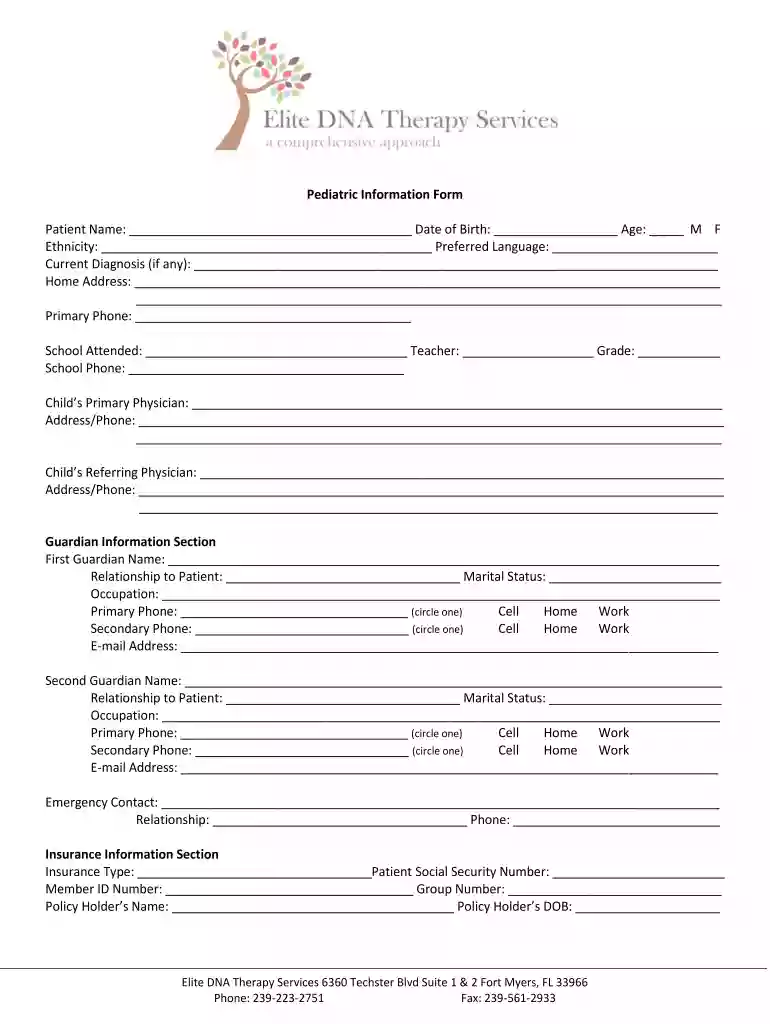
Definition & Meaning of the Psychiatric Intake Form
A psychiatric intake form is a comprehensive document used during the initial assessment of a patient seeking mental health services. Its primary purpose is to gather essential information about the patient's psychological, emotional, and social history. This form plays a crucial role in helping mental health professionals develop a well-informed treatment plan tailored to the individual’s needs.
Key elements typically included in a psychiatric intake form are:
- Demographic Information: Basic details such as name, age, gender, and contact information.
- Medical and Psychiatric History: Past diagnoses, treatments, and hospitalizations related to mental health conditions.
- Family Background: Information about family history of mental health issues and the patient’s relationships with family members.
- Current Symptoms: A detailed account of the symptoms the patient is currently experiencing.
- Substance Use: Information regarding any substance use that may impact mental health.
Completing the psychiatric intake form with accurate and thorough details is vital, as it assists the provider in assessing the patient's situation, understanding their history, and formulating an effective treatment plan.
Importance of a Psychiatric Intake Form
The psychiatric intake form is fundamental in establishing a therapeutic relationship between the provider and the patient. It serves several essential functions:
- Initial Assessment: Provides clinicians with a baseline understanding of the patient's mental health, which aids in identifying any immediate risks or concerns.
- Personalized Treatment: Enables the development of a tailored treatment plan that addresses the individual’s unique background and needs.
- Tracking Progress: By documenting symptoms and previous treatments, the form allows for regular monitoring and evaluation of the patient's progress over time.
- Legal Compliance: Ensures that practitioners gather necessary information to comply with ethical and legal standards in mental health care.
By capturing comprehensive data in the psychiatric intake form, mental health practitioners can create a supportive environment that fosters healing and progress.
Common Sections of a Psychiatric Intake Form
A typical psychiatric intake form contains several sections that inform the mental health provider about the patient's background and current health status:
- Personal Information: This includes the patient's full name, address, phone number, and date of birth.
- Insurance Details: Information regarding the patient's health insurance provider and policy number, which is necessary for billing and treatment authorization.
- Presenting Problem: A concise description of the reason the patient seeks services, including any specific symptoms or challenges they face.
- Family History: Questions about the mental health history of immediate family members, which can provide insight into hereditary factors influencing the patient's condition.
- Medical History: A section to document any significant medical conditions, medications currently being taken, and allergies.
These sections help practitioners build a comprehensive profile of the patient, which is essential for effective diagnosis and treatment planning.
Steps to Complete a Psychiatric Intake Form
Completing a psychiatric intake form involves clear steps to ensure all relevant information is captured accurately:
- Gather Personal Information: Begin by providing accurate demographic information, including full name, contact details, and emergency contacts.
- Describe Current Concerns: Clearly articulate any mental health symptoms or issues being faced, specifying their duration and severity.
- Provide Medical and Psychiatric History: List any previous mental health diagnoses, treatments, and medications. Include a brief history of medical conditions that could affect mental health.
- Detail Family History: Input relevant information about mental health issues within the family, including details of relatives who may have experienced similar conditions.
- Review and Sign: Revisit all entries to ensure accuracy before signing the form. This may also include a consent section allowing the clinician to proceed with treatment.
Following these steps allows for a thorough and effective intake process, ensuring that critical information is conveyed to the healthcare provider.
Examples of Essential Questions on a Psychiatric Intake Form
A psychiatric intake form typically includes a range of questions designed to elicit detailed responses from the patient. Some examples of essential questions are:
- What brings you to seek help at this time? This helps in understanding the urgency of the patient’s situation.
- Have you been diagnosed with any mental health conditions in the past? This question identifies previous issues that may impact current treatment.
- Are there any significant stressors in your life currently? Understanding external factors influencing mental health is crucial for comprehensive care.
- Do you have thoughts of self-harm or suicide? This critical question assesses immediate risks to the patient.
- What is your medical history, including any medications you are currently taking? This provides context regarding treatments that may interact with mental health therapies.
These questions guide clinicians in assessing the patient’s situation thoroughly and help ensure appropriate and timely interventions.
Legal Considerations for Psychiatric Intake Forms
Legal considerations are essential when creating and using psychiatric intake forms to ensure compliance with mental health laws and regulations:
- Confidentiality: Patient information must be kept confidential in accordance with HIPAA regulations, emphasizing the ethical obligation to protect sensitive data.
- Informed Consent: Patients should be informed about how their data will be used and must consent to the sharing of information with relevant parties involved in their care.
- Record Keeping: Accurate and thorough documentation is necessary for legal protection against potential liability, enhancing the accountability of mental health practitioners.
- State-Specific Laws: Different states may have specific requirements for mental health documentation that practitioners must adhere to.
Awareness of these legal considerations ensures that mental health providers maintain ethical practices while safeguarding patient information.
Utilization of Free Mental Health Intake Form Templates
For mental health professionals, utilizing free psychiatric intake form templates can streamline the process of gathering patient information. These templates often include the essential sections required for effective assessment and can be easily customized to fit specific practice needs. Some benefits of using templates include:
- Time Efficiency: Saves time in form creation, allowing practitioners to focus more on patient care.
- Consistency: Ensures a standardized process across all intake assessments, improving the quality of data collected.
- Adaptability: Many templates can be modified to accommodate specific therapeutic practices or patient demographics, enhancing relevance.
Free templates for mental health intake forms are widely available online and can serve as a valuable resource for both new and established practitioners.