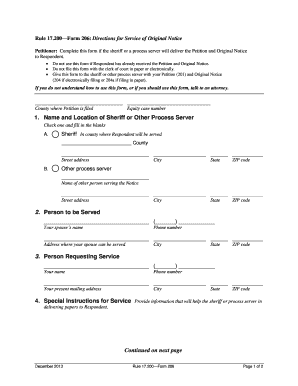
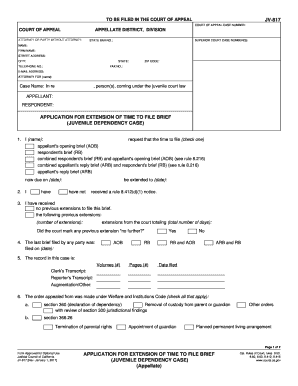
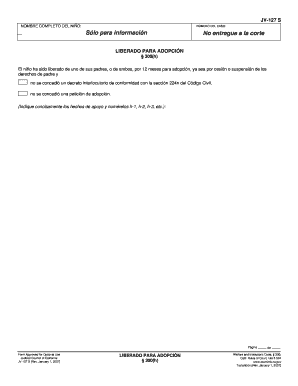
01. Edit your form online
Type text, add images, blackout confidential details, add comments, highlights and more.

Type text, add images, blackout confidential details, add comments, highlights and more.

Draw your signature, type it, upload its image, or use your mobile device as a signature pad.

Send it via email, link, or fax. You can also download it, export it or print it out.
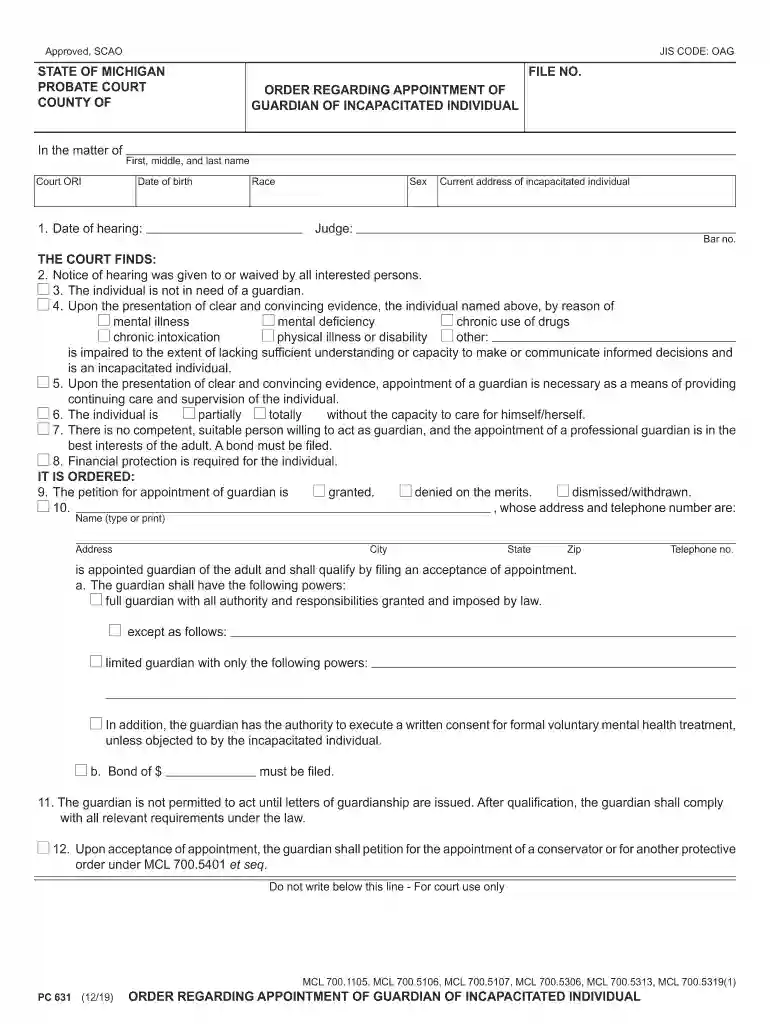
The concept of the "current address of incapacitated individual" pertains to identifying the living location of a person who is unable to manage their own affairs due to physical or mental incapacities. This form or information is often required by legal and healthcare entities to ensure proper care and legal processes are followed. The current address is essential for service of legal documents, coordination of medical care, and other crucial administrative tasks.
The form for documenting the current address of an incapacitated individual is generally used by guardians, healthcare providers, and legal representatives. Utilizing this form involves collecting accurate information and may include input from various stakeholders.
Acquiring the current address requires legal permission, typically granted to guardians or individuals with a durable power of attorney. This can often involve legal document requests and possibly court orders.
Completing this form necessitates precision and adherence to specific instructions to ensure the address is accurately recorded and legally compliant.
The legal application of this address rests primarily in providing necessary information for care, management, and legal proceedings concerning an incapacitated person.
Rules may vary significantly across states regarding how the address of an incapacitated individual is recorded and utilized legally. Understanding these nuances is crucial for compliance.
Documents required to verify an incapacitated individual's address can include legal papers and proofs of residency, ensuring the current data is legitimate.
Ensuring proper submission of address information or forms may demand adherence to specific processes, whether through physical documents or electronic systems.
We've got more versions of the Current address of incapacitated individual form. Select the right Current address of incapacitated individual version from the list and start editing it straight away!
At DocHub, your data security is our priority. We follow HIPAA, SOC2, GDPR, and other standards, so you can work on your documents with confidence.