01. Edit your texas grievance form online
Type text, add images, blackout confidential details, add comments, highlights and more.

Type text, add images, blackout confidential details, add comments, highlights and more.

Draw your signature, type it, upload its image, or use your mobile device as a signature pad.

Send it via email, link, or fax. You can also download it, export it or print it out.
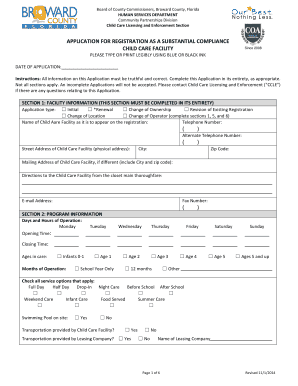
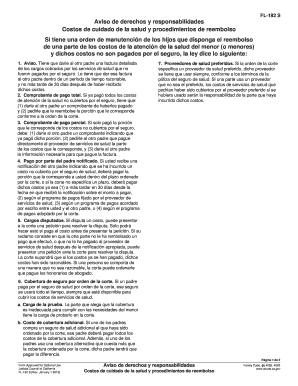
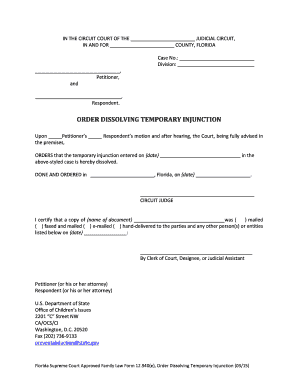
The Texas grievance form is an official document utilized by individuals within Texas to formally report complaints or grievances, typically against a state agency or service provider. This form serves as a critical mechanism for ensuring accountability and transparency by allowing citizens to express concerns about unprofessional conduct or service inadequacies. In essence, it is a structured way to bring issues to the attention of relevant authorities for resolution. The grievance process is backed by a regulated framework to ensure that complaints are handled systematically and fairly.
Using the Texas grievance form involves a step-by-step process. Initially, ensure that the issue you're addressing falls within the scope of grievances that the form covers, such as service complaints or professional misconduct. Begin by acquiring the form from the issuing body—most likely available on their website or in their office. Fill out the form with relevant details, including the nature of the complaint, specific incidents, and any evidence that supports your claims. It is crucial to articulate the issue clearly and provide all requested information to prevent delays in processing. Once completed, submit the form according to the instructions, which may include mailing it or submitting it online.
To obtain the Texas grievance form, you can typically visit the website of the specific Texas agency responsible for handling grievances. Many agencies provide downloadable PDF versions that can be printed or filled out electronically. Additionally, you can contact the agency directly to request a physical copy via mail or pick one up in person at their office. It's essential to check any particular procedures or requirements set by the agency, like submission deadlines or required accompanying documents.
Understanding specific terminology is critical when dealing with the Texas grievance form. Terms like "complainant" refer to the individual filing the grievance, while "respondent" denotes the party against whom the grievance is filed. "Resolution" indicates the outcome or decision post-evaluation of the grievance, and "jurisdiction" defines the scope within which the agency can adjudicate complaints. Familiarity with such terms ensures that you complete the form accurately and engages effectively with the grievance process.
The Texas grievance form serves not only as a tool for lodging complaints but also as a legal document in proceedings against improper conduct or service lapses. It is essential that the form is filled out truthfully and thoroughly, as misleading information can hinder the resolution process and may result in legal consequences for falsification. The completed form becomes part of the official record and can be used in subsequent investigations or hearings related to the complaint.
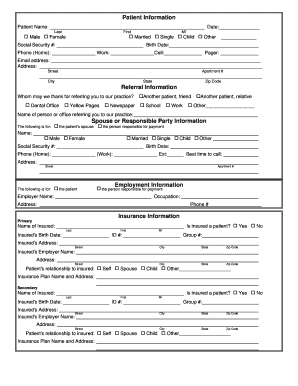
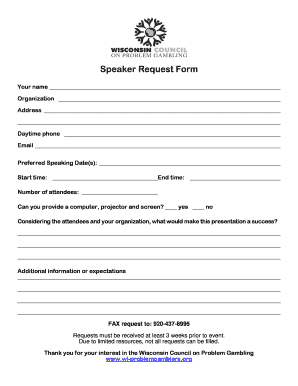
Key elements of the Texas grievance form typically include sections for personal details, the nature of the grievance, and a detailed description of the incident or issue. There is often a segment for listing involved parties and specific dates, and provisions for attaching additional documentation. These components ensure that the grievance is presented comprehensively, enabling the agency to conduct an effective and thorough investigation.
State-specific rules governing the Texas grievance form can include unique procedural guidelines, differences in submission methods, and specific eligibility criteria for filing a grievance. Texas state law may outline time limits for filing grievances or specify particular types of complaints that can be submitted through the form. Compliance with these regulations is crucial for the grievance to be considered valid and eligible for review.
Real-world scenarios where the Texas grievance form might be used include reporting unprofessional behavior by state employees, addressing service complaints within state-run institutions, or highlighting failures in governmental processes affecting individuals or communities. For instance, an individual might file a grievance after experiencing repeated delays in a state-provided service, providing documentation of interactions and delays as evidence. Understanding the potential applications of the form aids individuals in recognizing when it might be appropriately used to address their concerns.
At DocHub, your data security is our priority. We follow HIPAA, SOC2, GDPR, and other standards, so you can work on your documents with confidence.