
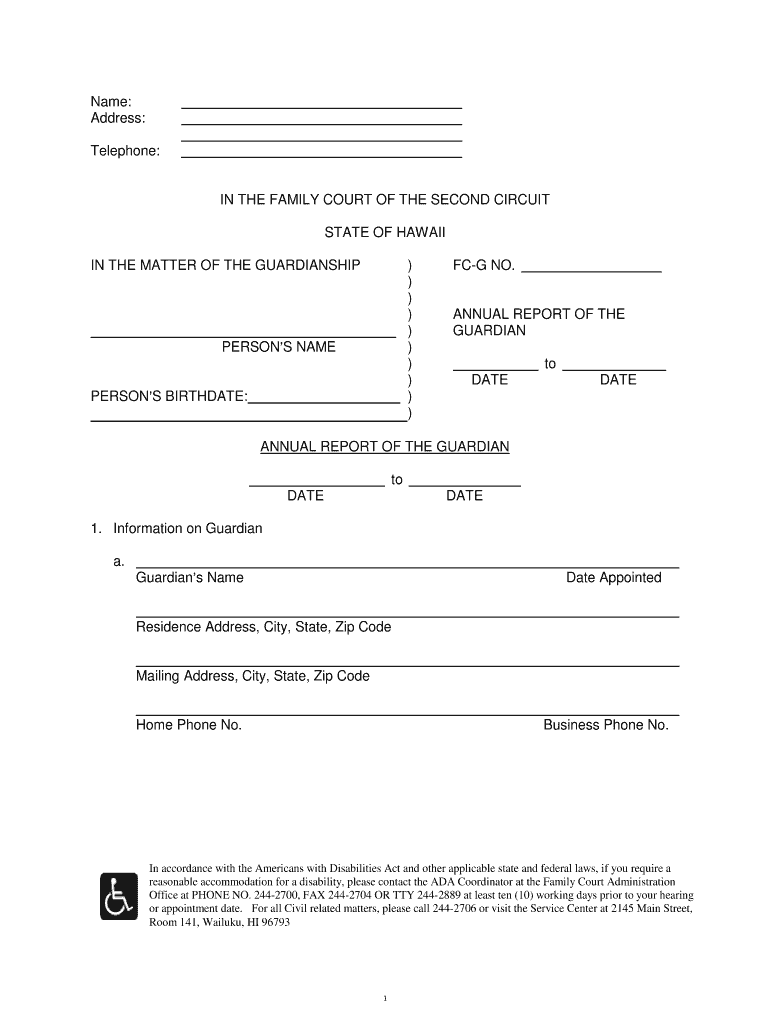







Definition & Meaning of the Address in Document Management
The term "address" in the context of document management often refers to the physical or digital location information necessary for the accurate routing, distribution, or declaration of documents. It is critical for ensuring that documents reach their intended recipients, whether sent physically or electronically. Addresses are pivotal in various scenarios, such as mailing a signed contract, specifying a business location on legal documents, or digitally identifying a recipient in an online transaction. Understanding the address's role and format is essential for maintaining document integrity and ensuring compliance with processing requirements.
Steps to Complete the Address Field
Completing the address field in a document form involves careful attention to detail, as errors can delay transactions or cause misdelivery. Here is a step-by-step guide:
-
Identify the Type of Address Required: Many forms specify whether a mailing address, physical location, or both are needed. Verify this requirement at the outset.
-
Gather Accurate Information: Obtain the full address, ensuring it includes essential components such as the street number, street name, city, state, and ZIP code. For business addresses, also include any suite or floor numbers.
-
Format Correctly: Adhere to the standard format for addresses, which may be defined by the mailing service or authority overseeing the document. For example, some require abbreviations for state names, like "CA" for California.
-
Verify Information: Double-check for typographical errors or missing elements, especially in the ZIP code or city name, which are critical for accurate delivery.
-
Ensure Legibility: If writing by hand, make sure the address is legible. For digital forms, confirm that it fits within designated fields without being truncated.
-
Include Country Information if Applicable: For international addresses, the country name should appear in capital letters on the last line.
Completing these steps meticulously ensures that documents are directed accurately to their destination.
How to Use the Address in Legal Documentation
Addresses play a vital role in legal documentation, serving as identifiers for entities involved and as definitive locations for jurisdictional purposes. Here’s how addresses are typically used:
-
Identifying Parties: Each party's address must be listed, whether they are individuals, companies, or organizations, to confirm their identity and location.
-
Defining Jurisdiction: An address can establish the applicable legal jurisdiction, which is critical if disputes arise requiring court intervention.
-
Contact Information: Addresses serve as contact information for official correspondence and notifications. This is vital in legal proceedings where formal notice is necessary.
-
Regulatory Compliance: Many forms, such as tax documents or business licenses, require a registered address to ensure compliance with local regulations.
Legal documentation must include complete and accurate addresses to maintain the integrity and enforceability of agreements and declarations.
Key Elements of the Address Format
When including addresses in forms, certain elements are essential to construct a complete and functional address. These elements typically include:
-
Recipient Name: The full legal name of the recipient, which is crucial for personalized delivery.
-
Building Number and Street Name: Exact street address information to specify location.
-
City: Inclusion of the correct city name to guide regional delivery operations.
-
State or Province: The governing region must be specified for legal and postal clarity.
-
ZIP or Postal Code: Essential for postal systems to route the item efficiently.
-
Country: This is mandatory for international addresses to ensure global recognition and delivery.
Each of these elements combines to form an address that meets both postal service requirements and the needs of formal documentation.
State-Specific Rules for Address Formatting
Different states may have specific nuances in how addresses are formatted or used, particularly for legal and governmental documentation. Some states may have unique abbreviations, additional fields, or other specific instructions to follow. For example:
- California: Often just "CA" is used, but some forms may require full state spelling in legal contexts.
- New York City: Including borough-specific details might be necessary in some cases for local ordinances.
- Texas: Large cities might require extra detail on locations, such as suite numbers for large complexes.
Understanding these state-specific rules is essential for ensuring compliance and accurate processing when dealing with state or regional authorities.
Software Compatibility for Address Input
For businesses and individuals managing large volumes of documents, software compatibility for address input is crucial. Many document management platforms and accounting software, like TurboTax or QuickBooks, offer features to automate and validate address entry. Here are considerations for compatibility:
-
Integration Capabilities: Check if the software can import and auto-fill address data from databases or existing records.
-
Validation Functions: Determine if the platform offers real-time validation to ensure addresses are correct and recognized by postal services.
-
Address Templates: Utilize software that allows saving of frequently-used addresses to speed up the process.
Software compatibility enhances efficiency by minimizing errors through automation and validation tools, supporting seamless document processing and compliance.
Penalties for Non-Compliance with Address Regulations
Ignoring the importance of accurate address reporting can lead to severe consequences, especially for legal and contractual documents. Penalties might include:
-
Fines or Legal Repercussions: Errors in official documents may result in fines or invalidation of contracts due to non-compliance.
-
Delay in Document Processing: Incorrect address details can lead to lengthy delays in processing or approving documents.
-
Potential Legal Disputes: Miscommunication or misdelivery due to address errors may cause disputes and additional legal costs.
Understanding the potential penalties emphasizes the importance of precision and compliance when managing address information in any document workflow.
Business Types Benefiting Most from Accurate Address Management
For various business types, precise address management is critical, influencing operations and client satisfaction. Often, these businesses include:
-
Retail Businesses: Accurate addresses are crucial for shipping products and handling returns efficiently.
-
Service Providers: Businesses offering services at client locations need correct addresses for scheduling and deployment.
-
Real Estate Agencies: Documentation for property listings, sales, and legal transactions must include verified location details.
Efficient handling of address details in these industries can directly affect satisfaction, compliance, and operational success, making it a crucial aspect of business administration.




