Definition and Meaning
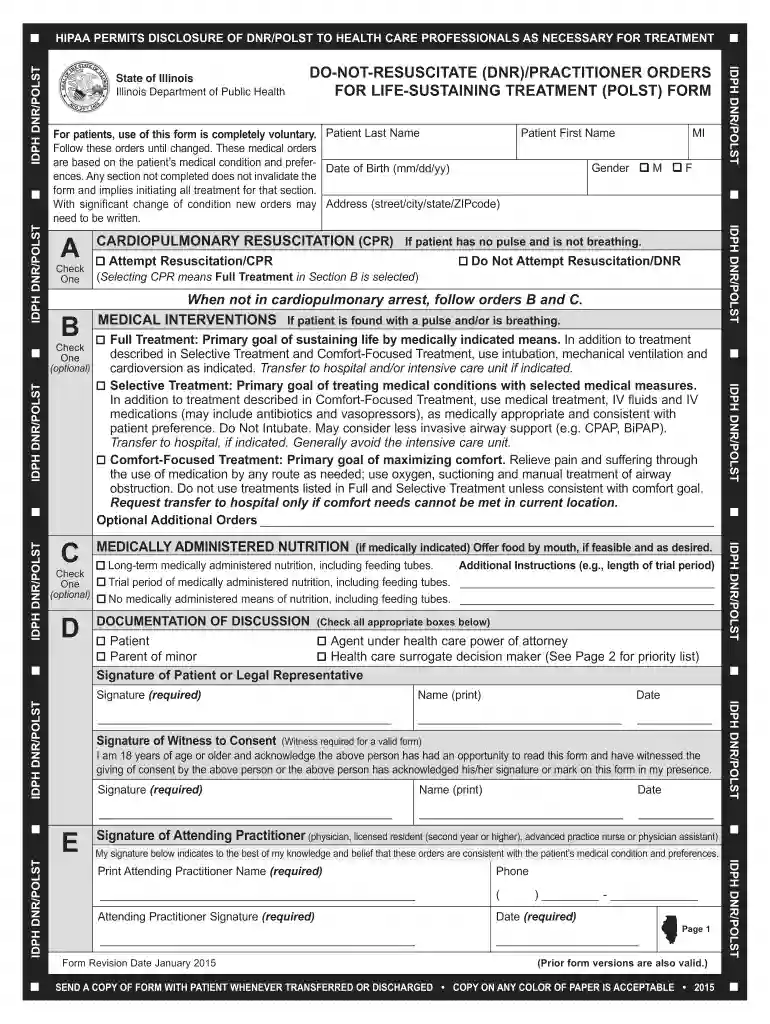
"For patients, use of this form is completely voluntary" refers to a specific document that allows individuals, particularly patients in medical or healthcare settings, to voluntarily express their preferences or provide information. This form's purpose is to gather patient-specific data, preferences, or approvals regarding medical treatments and other associated decisions.
- Voluntary Basis: The key aspect of this form is its voluntary nature, meaning patients are not obligated to complete it unless they wish to make specific declarations or decisions.
- Patient Empowerment: This form is designed to empower patients to outline their healthcare preferences, ensuring their wishes are respected during their medical treatment process.
- Scope and Adaptability: While it is utilized primarily in healthcare, the concepts and approaches taken from this form can also extend to other sectors where voluntary participation is critical.
How to Use the Form
The process of using the form "For patients, use of this form is completely voluntary" involves several steps that patients should follow to ensure accurate and effective completion.
- Understand the Purpose: Before filling out the form, patients should clearly understand its purpose and the implications of the information they provide.
- Complete Personal Information: Patients are usually required to provide basic personal information to identify themselves accurately within the medical or administrative system.
- Specify Preferences: The core of this form often involves patients specifying their preferences in areas such as medical treatment options, consent for procedures, or sharing of their medical information.
- Seek Assistance if Needed: If there are sections that patients find difficult, they should seek assistance from healthcare providers or legal advisors to ensure clarity and accuracy.
- Review and Sign: After completing the form, patients should review all entries, ensuring that all information is correct before signing and submitting it.
Steps to Complete the Form
Completing the form requires attention to detail and understanding of each section.
- Initial Section: Fill in personal details including name, date of birth, and contact information.
- Preference Declaration: Clearly articulate any medical preferences or decisions the patient wishes to make.
- Consent Section: Provide consent where necessary, especially concerning procedures or sharing information.
- Confirmation: Sign and date the form to confirm that the information provided is accurate and voluntarily submitted.
Key Elements of the Form
The form encompasses several critical elements vital for its completion and validity.
- Patient Information: Basic personal details are necessary to ensure that the right person is identified.
- Medical Preferences: Sections where patients can express their wishes concerning medical treatments or decisions.
- Consent and Authorization: Areas where patients authorize specific uses of their information or consent to treatments.
- Signatures: The patient's signature is essential to validate the form and confirm the voluntary nature of the information provided.
Legal Use of the Form
The legal use of this form ensures that patient rights are upheld and respected.
- Legally Binding Agreements: Though voluntary, once completed, this form can act as a legally binding document that guides healthcare providers in delivering care according to the patient's wishes.
- Protected Privacy: All information shared via this form should be protected under healthcare privacy laws, such as HIPAA in the United States.
- Changeability: Patients retain the right to alter their preferences communicated through the form at any time, ensuring the document remains reflective of their current wishes.
Examples of Using the Form
Real-world examples provide context to the form's application and usefulness.
- End-of-Life Care: Patients may use the form to specify their preferences for life-sustaining treatments or palliative care options.
- Information Sharing: The form can be used to allow or restrict the sharing of medical information with family members or other parties.
- Treatment Preferences: Patients with chronic illnesses might state their preferences for specific treatments, ensuring their healthcare plan aligns with their wishes.
State-Specific Rules for the Form
Understanding state-specific regulations is crucial for the form's application within the U.S.
- Variation in Requirements: States may have varying regulations or additional requirements for how such forms should be filled out or submitted.
- Recognition Across States: In some cases, a form completed in one state may not be recognized in another unless it meets local requirements.
- Periodic Updates: Changes in local legislation can affect the form’s structure or content requirements, underscoring the need for periodic reviews.
Digital vs. Paper Version
The form can be completed in either digital or paper format, each with its considerations.
- Digital Convenience: The digital version offers ease of access, quicker submission, and the ability to be updated more easily.
- Paper Reliability: Some prefer paper forms for the physical record and ease of signing without digital access.
- Compatibility: Platforms like DocHub provide support for filling out, saving, and sharing the form digitally, enhancing accessibility for both patients and healthcare providers.