Definition and Meaning of HCSSA Provider Licensing
An HCSSA, or Home and Community Support Services Agency, is a licensed entity that provides home health, hospice, and personal assistance services in the United States, specifically within the state of Texas. Obtaining a license as an HCSSA provider involves complying with state regulations to ensure that agencies deliver safe and effective care to individuals in need of home and community-based support. This licensing ensures that the services provided meet specific standards and are monitored by the Texas Health and Human Services Commission (HHSC).
Steps to Complete the Licensing Process
-
Understand Eligibility Requirements: Before pursuing an HCSSA license, it is important to verify that you meet the essential criteria, including having a valid Tax Identification Number (TIN) and meeting any professional qualifications necessary for the specific type of service you will provide.
-
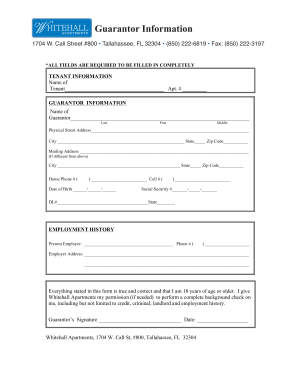
Prepare Required Documentation: Gather all necessary documentation, such as proof of ownership, articles of incorporation, and any required certifications. You'll also need to establish a physical office that complies with state requirements.
-
Submit Initial Application: Complete the application form provided by the Texas HHSC. Ensure that all sections are filled accurately to avoid delays. This includes selecting the specific category of services you wish to provide, such as home health, hospice, or personal assistance services.
-
Application Fee Payment: Pay the application fee via the accepted methods listed by the HHSC. Keep a copy of your payment receipt as proof of transaction.
-
On-Site Survey and Inspection: After submitting your application and fee, an on-site survey will be conducted to assess compliance with health and safety standards. Meeting these standards is crucial for both your initial licensing and ongoing operation.
-
Receive License Approval: If all requirements are met following the on-site inspection, you will receive your HCSSA license, which is necessary to begin legally offering services. This license is subject to renewal and compliance with ongoing regulations.
Required Documents for Licensing
- Articles of Incorporation: Needed if operating as a corporation.
- Proof of Ownership: Required for all business entities.
- Tax Identification Number (TIN): Verification of tax-related identity.
- Professional Certifications: For specific service categories like home health services.
- Lease Agreements: If renting office space, to confirm physical office location.
- Staffing Information: Documentation of staff qualifications and licensing.
State-Specific Rules and Guidelines
Texas has specific legal requirements that govern how HCSSAs operate, with a strong emphasis on patient rights and quality standards. Agencies must adhere to privacy regulations and reporting processes, ensure proper staffing ratios, and continuously engage in quality improvement initiatives. Moreover, Texas mandates regular compliance audits to maintain licensing status, necessitating diligent record-keeping and continuous staff training to uphold service excellence.
Application Process and Approval Time
The typical timeline for obtaining HCSSA licensure in Texas can range from several weeks to a few months, depending on the completeness of the initial application and the results of the on-site survey. Engaging a consultant or legal expert familiar with Texas health regulations can often expedite this process and ensure all compliance aspects are thoroughly addressed.
Importance of Compliance and Legal Use
Operating as a licensed HCSSA not only satisfies legal requirements but also instills trust among clients who rely on the agency for critical health and personal care services. Non-compliance with state licensing requirements can result in penalties, fines, or revocation of the license, severely impacting business operations and reputation within the healthcare community.
Examples of HCSSA Utilization
Consider a scenario where a disabled veteran requires home healthcare services. A licensed HCSSA can offer a comprehensive plan tailored to their medical and personal needs, coordinating with medical professionals to provide effective care. This includes administering medications, physical therapy, and assistance with daily activities, all under strict regulatory compliance that ensures the veteran's health and safety.