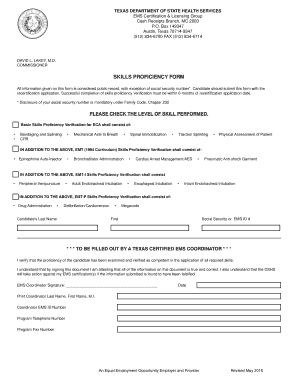
Definition and Meaning
The "On Appointment by the State Commission for Human Rights" form is a legal document typically utilized within the United States to formalize appointments made by the State Commission for Human Rights. It serves as an official record of the appointment, ensuring that a person is duly authorized to undertake the specific duties or roles assigned by the commission. Understanding the purpose and application of this document is crucial for ensuring compliance with the legal standards and operational procedures set forth by the commission.
How to Use the Form
Using the "On Appointment by the State Commission for Human Rights" form involves a few key steps. First, it is crucial to accurately complete all sections of the form, ensuring all personal and appointment-specific information is included. This may involve detailing the appointee's qualifications and the nature of their appointment. Once completed, the form should be submitted to the relevant authority within the State Commission to validate the appointment. This documentation is then maintained as a part of official records to demonstrate compliance and authorization for the role.
Step-by-Step Instructions
- Read the Instructions: Familiarize yourself with the form's guidelines to ensure accurate completion.
- Complete Personal Information: Enter the appointee's full name, address, and contact information.
- Detail the Appointment: Specify the role, duration, and the responsibilities assigned.
- Review for Accuracy: Double-check the information to avoid errors that may delay processing.
- Submit: Turn in the completed form to the designated entity within the State Commission for Human Rights.
Steps to Complete the Form
Completing the "On Appointment by the State Commission for Human Rights" form involves several steps, each requiring careful attention to detail. The process generally includes filling out personal details, providing details about the appointment, and securing necessary approvals from relevant authorities.
- Gather Required Information: Before starting the form, ensure that all necessary details, such as identification and appointment letters, are ready.
- Provide Accurate Details: Accurately fill out each section, double-checking for errors and omissions.
- Obtain Necessary Signatures: Where applicable, secure signatures from appointing authorities to authenticate the document.
- Finalize and Submit: Once completed, ensure the form is submitted through the appropriate channels specified by the commission.
Important Terms Related to the Form
Understanding certain terms is key when dealing with the "On Appointment by the State Commission for Human Rights" form.
- Appointee: The individual being granted a particular role by the commission.
- Authorization: The formal permission provided through the form for the appointee to perform their designated role.
- Commission: Refers to the State Commission for Human Rights, the body responsible for overseeing the appointment.
- Compliance: Adhering to the terms and conditions outlined by the commission during the appointment process.
Legal Use and Compliance
The legal validity of the "On Appointment by the State Commission for Human Rights" form is paramount in the context of human rights appointments. It is used to ensure that appointments are sanctioned under the legal framework provided by the commission. Proper adherence to associated legal guidelines is necessary to avoid potential disputes or invalidation of the appointment.
Key Compliance Measures
- Verification of Information: Ensuring that all information documented is true and correct.
- Adherence to Appointment Terms: Following any specific guidelines or conditions set forth by the commission.
- Record Maintenance: Keeping comprehensive records of the appointment for future reference or audits.
State-Specific Rules
Each state may have nuanced rules regarding the use of this form.
- Jurisdictional Variations: Some states may impose additional documentation or verification processes.
- State-Specific Guidelines: Particular language or format may be mandated depending on state legislation.
- Commission Guidelines: Each State Commission may provide unique guidelines based on local governance requirements.
Examples of Usage
Real-world examples illustrate the form's application:
- Discrimination Case: An individual appointed to investigate a discrimination complaint might be formalized through this form.
- Policy Implementation: Appointments for roles related to implementing new human rights policies often require official documentation via this form.
Penalties for Non-Compliance
Failing to properly use the "On Appointment by the State Commission for Human Rights" form can lead to several consequences:
- Invalidation of Appointment: Appointments made without formal documentation may be deemed invalid.
- Legal Action: There is a potential risk of legal action against parties who do not comply with documented procedures.
- Loss of Rights or Privileges: The appointee may lose certain rights or privileges granted through the appointment.
This comprehensive analysis and detailed breakdown provide a nuanced understanding of the "On Appointment by the State Commission for Human Rights" form, offering clarity on its importance, use, and the intricacies involved in its application.