01. Edit your bvi trade license online
Type text, add images, blackout confidential details, add comments, highlights and more.

Type text, add images, blackout confidential details, add comments, highlights and more.

Draw your signature, type it, upload its image, or use your mobile device as a signature pad.

Send trade license bvi via email, link, or fax. You can also download it, export it or print it out.
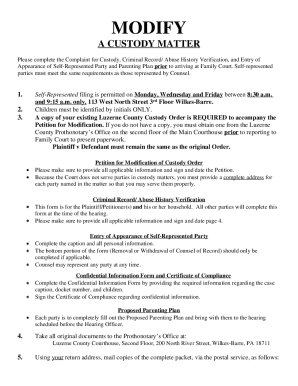
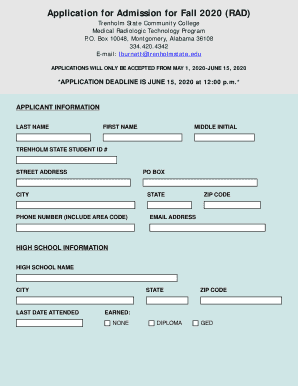
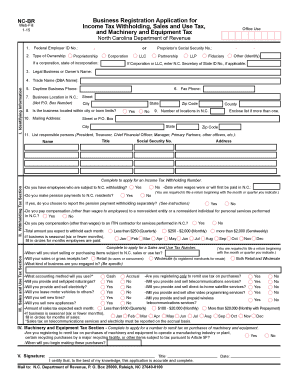
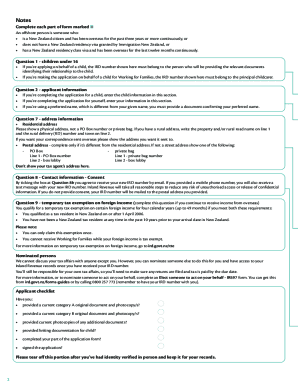
The trade license application form is a crucial document used to request official permission to conduct business within certain jurisdictions. It serves to ensure that businesses comply with local regulations and standards, safeguarding public interest. This formality assists government bodies in tracking business types and activities within their jurisdiction, bolstering public health, safety, and ethics.
Trade licenses are often mandatory regardless of the scope or scale of business operations, affecting diverse sectors from retail to services. The form gathers pertinent company information, such as business name, type, location, and owner details, to ascertain compliance with legal and regulatory standards. It also helps maintain structured community planning and zoning, making sure businesses contribute positively to their local economies.
Gather Necessary Information: Before starting, collect key business details. Have the business name, address, nature of business, and owner's personal information ready. This prepares you for forms requiring exhaustive data entry.
Understand Local Regulations: Research local requirements specific to your area. Different locations may have varying rules regarding zoning, environmental concerns, and sector-specific regulations.
Download/Obtain the Form: Forms are typically available on municipal websites or in local government offices. Ensure that you access the most recent version for compliance with current standards.
Complete the Form: Fill out each section carefully. Accurate and complete information is crucial to prevent delays. Sections to watch for include business classification, premises details, and contact information.
Attach Required Documents: This often includes identity proof, address proof, business plan, tax documents, and any specific licenses necessary for your industry.
Submit the Form: Options often include submitting online, via mail, or in-person at the local licensing authority. Confirm submission guidelines and deadlines to avoid penalization.
Follow Up: After submission, check the application status. Many jurisdictions provide online tracking. Ensure you promptly address any requests for additional information.
The trade license application form applies to a wide array of business types. Entrepreneurs launching new ventures, managers expanding current businesses, and companies entering new geographies will frequently employ this document. Small business owners and large corporations alike must adhere to these requirements.
Industries such as hospitality, retail, manufacturing, and professional services often find themselves needing these forms. Besides established businesses, freelancers or consultants operating within regulated professions may also need to comply, especially if physical premises are used.


Numerous documents accompany the trade license application to validate business credentials and owner integrity. These typically include:
Proof of Identity and Address: Such as a driver's license or utility bill, confirming the identity and residence of the business owner.
Business Registration Documents: This varies by jurisdiction but usually includes Articles of Incorporation or a partnership agreement.
Lease Agreement or Property Documents: These prove lawful occupancy of premises where business operations occur.
Zoning Permits: Some municipalities require separate or additional zoning approvals to ensure business suitability within designated areas.
Tax Registration Certificates: Demonstrating that the business is municipally and federally tax compliant.
Each jurisdiction establishes its own deadlines, often aligned with the start of the fiscal year or quarter. Initial applications may coincide with business incorporation or lease initiation dates. Renewal applications tend to require scheduling well before license expiry. Missing these deadlines can result in penalties or the cessation of business operations.
Digital advancement facilitates online completion and submission of trade license forms. Platforms like TurboTax and QuickBooks may offer integrations that smoothly incorporate fiscal data into trade license applications. Compatibility with such systems simplifies the extraction of necessary information, reducing errors and expediting the process.
Legally, obtaining a trade license signifies authorization for business operations under stipulated industry guidelines. This facilitates commitment to local laws, including safety standards, environmental regulations, and ethical operations. Penalties for non-compliance range from fines to shutdown orders, which underscores the importance of adherence.
Companies must remain vigilant about annual renewals to retain their operating license, and consistently monitor regulatory changes that might affect their compliance status.
We've got more versions of the bvi trade license form. Select the right bvi trade license version from the list and start editing it straight away!
At DocHub, your data security is our priority. We follow HIPAA, SOC2, GDPR, and other standards, so you can work on your documents with confidence.