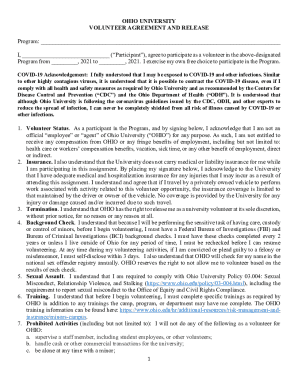
01. Edit your form online
Type text, add images, blackout confidential details, add comments, highlights and more.

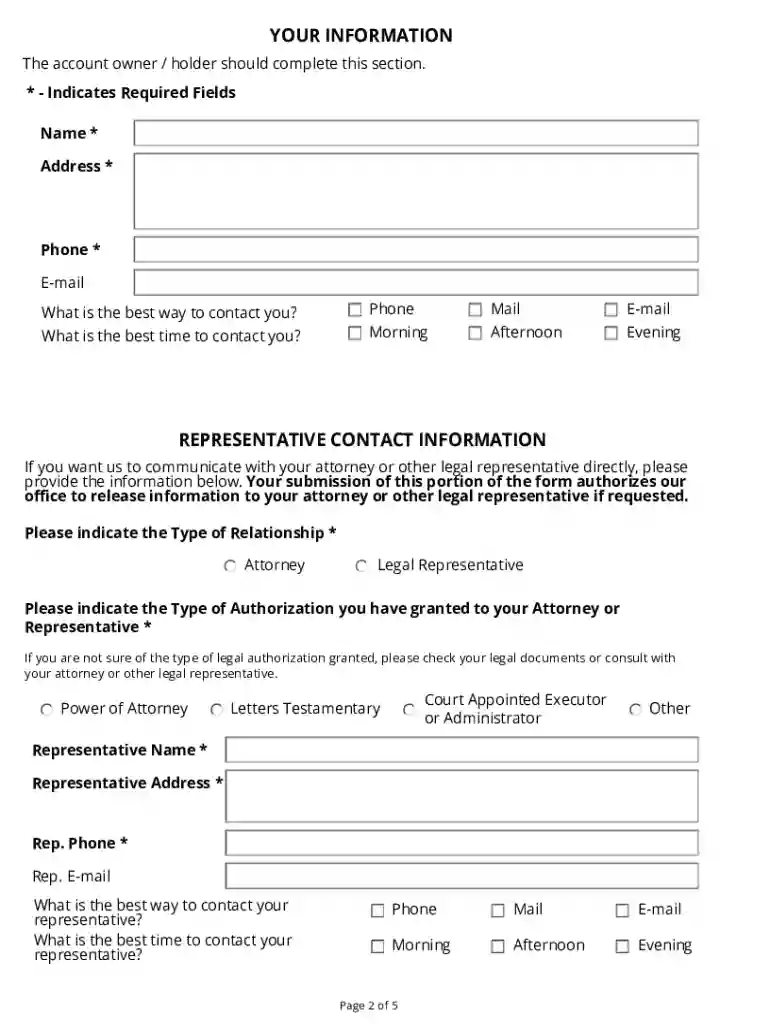
Type text, add images, blackout confidential details, add comments, highlights and more.

Draw your signature, type it, upload its image, or use your mobile device as a signature pad.

Send it via email, link, or fax. You can also download it, export it or print it out.
The Parent and Student Complaint Form is a structured tool designed to facilitate communication between educational institutions, parents, and students. This form allows individuals to formally report grievances related to academic or administrative issues, ensuring that all parties involved can review the concerns and work towards a resolution. Common scenarios include disputes over grades, dissatisfaction with teaching methods, issues related to school policies, and concerns about campus safety.
To effectively utilize this form, users should first understand the specific grievance they wish to address. The process typically involves gathering relevant information and documentation related to the complaint. Individuals should then complete the form by providing detailed explanations within each section, ensuring clarity and completeness. Once filled out, the form should be submitted according to the institution’s specified procedures, often detailed on the school’s website.
Typically, educational institutions provide access to the Parent and Student Complaint Form through their official websites. Often found within the student services or administration section, parents and students can download the form as a PDF. In some instances, institutions might also offer a physical copy available at the administration office. For online submissions, some educational platforms allow for direct completion and submission through their portals.
Identify the Issue: Clearly define the problem or complaint to be addressed.
Gather Necessary Information: Collect all relevant documents, such as emails, grades, or witness statements, that support the complaint.
Complete Personal Information: Fill in your name, contact details, and related student information like ID number or class details.
Detail the Complaint: Provide a comprehensive description of the grievance, including dates, locations, and individuals involved.
Suggest a Resolution: If possible, propose a potential solution or outcome desired from the complaint process.
Review and Submit: Double-check for accuracy and completeness before submitting according to the institution’s guidelines.
The form is structured to include several crucial sections, each demanding meticulous attention:
Personal Information: Requests basic details about the complainant for identification and follow-up.
Nature of the Complaint: Asks for specifics about the grievance, ensuring the issue is well-documented.
Supporting Documentation: Allows attachments or references to additional documents that bolster the complaint.
Desired Outcome: Provides the complainant an opportunity to specify what they hope will be the resolution.
Using the form carries certain legal implications. While primarily a communication tool, it also serves as a formal record of the grievance raised. All parties involved must adhere to privacy laws, ensuring that the information submitted is protected under applicable student privacy regulations. It's crucial for complainants to understand that false, misleading, or exaggerated claims can lead to legal repercussions or disciplinary actions from the institution.
This form is most commonly used by parents and students within educational institutions who seek to address issues formally. It's particularly useful in higher education settings, such as universities and colleges, where students are primarily responsible for addressing their concerns. However, in K-12 settings, parents often submit complaints on behalf of their children, especially when administrative matters are involved.


Each state may impose different regulations on how educational issues are managed. For instance, certain states have specific timelines for lodging a complaint, while others might require additional documentation or verification steps. It’s ideal for complainants to consult with the school's administration or their state's education department to ensure compliance with any local requirements or state regulations.
At DocHub, your data security is our priority. We follow HIPAA, SOC2, GDPR, and other standards, so you can work on your documents with confidence.