Definition and Meaning
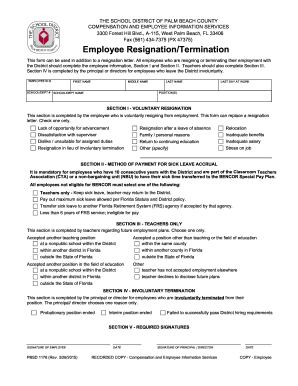
"OFFICE ONLY 1 OFFICE ONLY 2 I STUDENT INFORMATION" is a form used primarily to collect personal and educational details of students. This document typically includes sections that capture personal information, academic history, and other relevant data necessary for administrative or organizational purposes within educational institutions or similar organizations. It serves as a structured medium to ensure that all relevant student information is collected accurately and stored securely.
Steps to Complete the Form
To accurately complete the "OFFICE ONLY 1 OFFICE ONLY 2 I STUDENT INFORMATION" form, follow these steps:
-
Gather Personal Information: Collect basic details such as full name, date of birth, student ID, and contact information to fill in the introductory section of the form.
-
Provide Educational Background: Include all relevant academic histories, such as schools attended, awards received, and current programs of study.
-
List References: If required, provide names and contact details of individuals who can vouch for your academic abilities and character.
-
Consent and Attestation: Read through any policies mentioned, and sign the consent section to attest that the information provided is accurate.
Each section of the form might have specific instructions, so it’s important to carefully review and follow them to avoid any errors.
Important Terms Related to the Form
Understanding key terms related to the "OFFICE ONLY 1 OFFICE ONLY 2 I STUDENT INFORMATION" form can enhance the accuracy of completion:
- Student ID: A unique identifier assigned to each student.
- Academic Institution: The school or university where the student is currently enrolled.
- Reference: An individual who can verify the student's qualifications and character.
- Consent: Acknowledgment and agreement to adhere to provided policies and data use terms.
Clarifying these terms helps ensure that students and administrative staff share a mutual understanding when completing or reviewing this form.
Who Typically Uses the Form
The "OFFICE ONLY 1 OFFICE ONLY 2 I STUDENT INFORMATION" form is mainly used by:
- Students: Individuals seeking to provide necessary information for enrollment or administrative purposes.
- Admissions Officers: Personnel responsible for processing applications and managing student data.
- Registrar’s Offices: Departments that maintain and store student records within educational institutions.
The form supports processes such as admissions, student record management, and institutional reporting.


Legal Use of the Form
The form should be used in compliance with privacy laws such as the Family Educational Rights and Privacy Act (FERPA) in the United States, which protects the privacy of student education records. Institutions must ensure that the information collected is only used for its intended administrative purposes and safeguard the data against unauthorized access.
Key Elements of the Form
The form includes several vital components designed to capture comprehensive student information:
- Contact Information: Ensures direct communication with the student.
- Emergency Contact: Provides additional contact options in case of unforeseen circumstances.
- Educational Background: A chronological account of a student's academic history.
- Policy Acknowledgment and Signature: Confirms the student’s agreement to the terms and accuracy of provided information.
These elements collectively facilitate a structured approach to data collection and record-keeping.
State-Specific Rules for Use
While the foundational structure of the "OFFICE ONLY 1 OFFICE ONLY 2 I STUDENT INFORMATION" form is typically consistent, state-specific regulations may apply regarding data handling and retention. Institutions should consult local education authorities to ensure their processes are aligned with state laws regarding data privacy and student records.
Digital vs. Paper Version
The "OFFICE ONLY 1 OFFICE ONLY 2 I STUDENT INFORMATION" form can exist in both digital and paper formats.
- Digital Forms: Offer conveniences, such as ease of distribution, electronic signatures, and direct integration with educational databases.
- Paper Forms: Often employed in settings where digital resources are limited or to complement digital systems for archival purposes.
Choosing between formats depends on the institution’s resources and the specific needs of the administration and students.