






Definition and Meaning of The Health of the Public Form
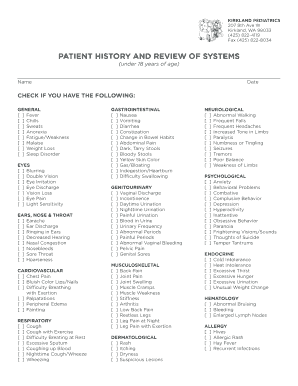
The "Health of the Public" form is a critical document connected to public health initiatives, serving as a tool to assess and address community health needs. Focusing on preventive measures, the form aims to facilitate data collection and analysis, guiding public health policies and services. It embodies the principle of improving community welfare through informed strategies.
Key Components
- Demographic Information: Collects basic data like age, gender, and residence to identify population segments most at risk.
- Health Indicators: Covers various metrics such as vaccination rates, chronic illness prevalence, and lifestyle factors.
- Resource Utilization: Evaluates existing healthcare services and how they are accessed by the public.
Use Cases
Examples include public health surveys for vaccine distribution planning or analyzing neighborhood-level health disparities.
How to Use the Health of the Public Form
Utilizing the Health of the Public form involves systematic steps to ensure accurate and helpful data collection.
- Preparation: Acquire necessary materials and familiarize yourself with the form structure.
- Data Collection: Engage with communities to gather relevant information, using surveys or interviews.
- Analysis: Input collected data into analytical tools to generate insights.
Practical Example
Use in a city-wide vaccination tracking program to improve coverage rates and identify gaps in service delivery.
Steps to Complete the Health of the Public Form
Completing this form effectively requires attention to detail and a structured approach.
- Data Entry: Fill in demographic sections first to segment data efficiently.
- Health Metrics Documentation: Record health-related data with precision, focusing on common illnesses and access to healthcare.
- Review and Submit: Check for errors or omissions before submitting the document for official assessment.
Important Tips
- Double-check for completeness to avoid backlogs.
- Use digital tools for data entry when possible to improve accuracy.
Importance of the Health of the Public Form
The Health of the Public form plays a vital role in shaping public health policy and directing resources efficiently.
Benefits
- Informed Decision Making: Enables policymakers to base decisions on solid data.
- Resource Allocation: Assists in identifying areas most in need of healthcare investments or interventions.
- Public Health Monitoring: Allows for ongoing health trend evaluations over time.
Who Typically Uses the Health of the Public Form
This form is predominantly used by public health officials, policymakers, researchers, and healthcare providers. Its application extends to community health workers and epidemiologists.


Related Roles
- Policy Makers: Utilize data to create targeted public health initiatives.
- Healthcare Providers: Assist in tailoring services to meet identified community needs.
Important Terms Related to the Health of the Public
Understanding specific terminology used within the form increases accuracy in interpretation and application.
- Chronic Illness: Long-term health conditions requiring ongoing management.
- Healthcare Utilization: Frequency of accessing health services.
- Vaccination Rate: Percentage of the population receiving recommended vaccines.
Nuanced Definitions
Distinctions between acute and chronic conditions are crucial for accurate reporting.
Legal Use of the Health of the Public Form
The legal context surrounding the Health of the Public form involves privacy and data protection regulations.
Compliance Requirements
- Confidentiality: Data must be handled in accordance with privacy laws like HIPAA.
- Authorized Use: Only designated personnel should access sensitive information.
Key Elements of the Health of the Public Form
Several core components are integral to the form's design, ensuring comprehensive public health data collection.
Essential Sections
- Health Status Evaluation: Captures disease prevalence and lifestyle risk factors.
- Resource Analysis: Examines availability and effectiveness of existing health services.
Special Considerations
Incorporating variables related to social determinants of health can enhance the form's effectiveness in identifying broader influences on public health outcomes.