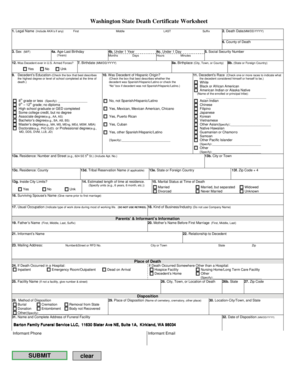
Definition of the Funeral Arrangements Checklist
A funeral arrangements checklist is a comprehensive tool used in planning the details and preferences of a funeral service. This checklist ensures all critical elements are considered and documented, facilitating clear communication with family members and funeral service providers. It typically covers personal information, preferences for burial or cremation, specifics of the service, special requests, obituary information, and other personal wishes.
How to Use the Funeral Arrangements Checklist
Using the funeral arrangements checklist effectively involves a step-by-step approach:
-
Gather Personal Information: Begin by collecting personal details such as full name, date of birth, and Social Security number, which are essential for legal and administrative purposes.
-
Document Funeral Preferences: Clearly specify preferences for burial or cremation and any specific wishes for the ceremony. This might include the choice of venue, type of service, and any religious or cultural practices to be incorporated.
-
Include Special Requests: List any unique elements you want in your funeral service, such as musical selections, speakers, or particular traditions to be observed.
-
Prepare Obituary Details: Draft an obituary with pertinent personal achievements, family information, and any messaging that reflects the deceased's legacy.
-
Review and Share: Once completed, review the checklist with family members or legal representatives to ensure all aspects are covered and understood.
How to Obtain the Funeral Arrangements Checklist
A funeral arrangements checklist can be obtained from various sources:
-
Funeral Homes: Many funeral service providers offer premade checklists to help clients prepare and plan their services effectively.
-
Online Resources: Numerous websites provide downloadable funeral arrangements checklists, often available in PDF or DOC formats for convenience and adaptability.
When sourcing a checklist, ensure it covers all necessary areas specific to your needs and preferences.
Steps to Complete the Funeral Arrangements Checklist
Completing the funeral arrangements checklist involves several key steps:
-
Initial Consultation: Schedule a meeting with a funeral director or legal advisor to understand the scope and legal requirements.
-
Information Compilation: Gather personal and family information, service preferences, and any legal documents such as wills or pre-paid funeral plans.
-
Review Legal and Cultural Considerations: Consider state-specific regulations and any cultural customs that might affect the funeral planning process.
-
Finalize and Secure: Ensure that all decisions documented in the checklist are finalized, secure any legally binding agreements, and inform all relevant parties.
Key Elements of the Funeral Arrangements Checklist
The checklist encompasses several essential elements:
-
Personal Information: Collect the deceased's personal identifiers, including full legal name, address, and next of kin.
-
Service Preferences: Determine whether the deceased preferred burial or cremation and any specific instructions regarding the ceremony.
-
Obituary Preparation: Include pertinent personal history and achievements, emphasizing aspects to be shared in the obituary.
-
Special Requests and Legacy: Identify any special touches that personalize the service, such as video tributes or unique rehearsal dinners.
Important Terms Related to the Funeral Arrangements Checklist
Understanding the terms related to the checklist can ease the planning process:
-
Beneficiary: A person designated to receive benefits from life insurance or a will.
-
Executor: An individual appointed to execute the will's instructions.
-
Interment: The process of placing a deceased's remains in their final resting location.
-
Cemetery Lot: A designated plot of land in a cemetery purchased for burial purposes.
State-Specific Rules for the Funeral Arrangements Checklist
Different states may have unique rules governing funeral arrangements:
-
Permits and Approvals: Some states require specific permits for burial or cremation, necessitating legal compliance checks.
-
Witness and Certification Requirements: Certain jurisdictions might stipulate the need for witnessing or certifying certain aspects of the funeral arrangements, such as the signing of specific documents.
Examples and Scenarios of Using the Funeral Arrangements Checklist
Consider various scenarios where the checklist plays a crucial role:
-
Pre-Planning for Elderly Individuals: Elderly individuals often use this checklist to communicate their end-of-life wishes in detail, reducing family stress and ensuring their desires are honored.
-
Legal and Financial Consideration Integration: The checklist can incorporate detailed legal and financial preferences, ensuring that decisions align with existing legal documents such as wills or trusts.