
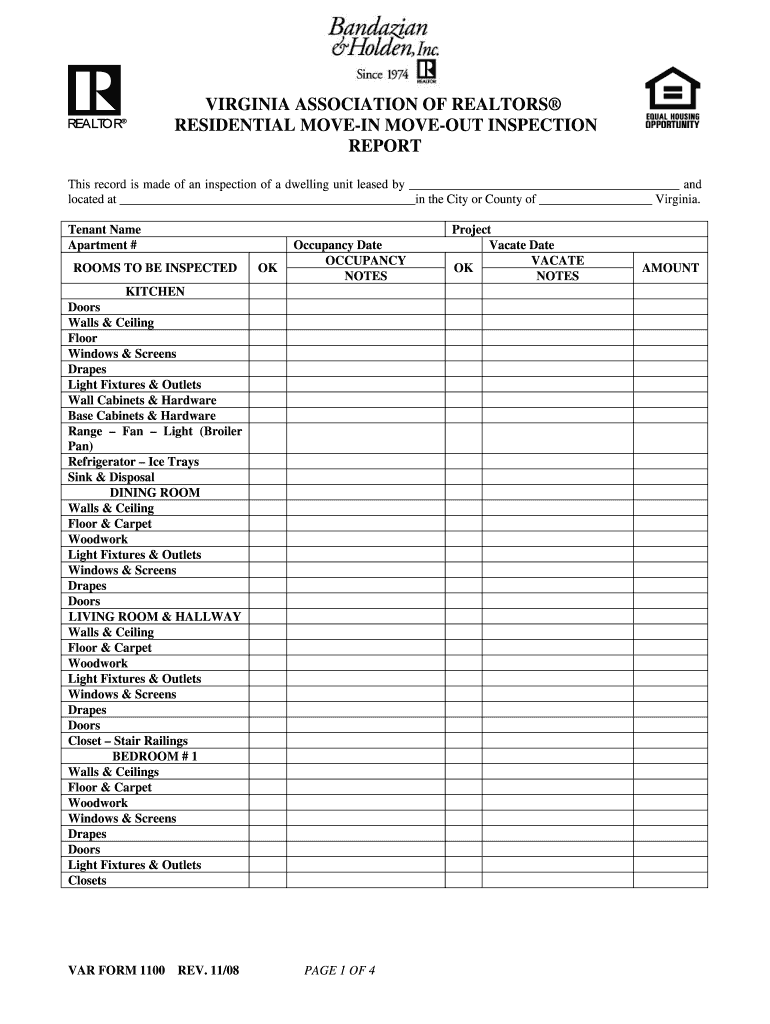







Definition and Purpose of the Sample Housing Inspection Form
The sample housing inspection form serves as a critical tool for assessing the condition of a property before and after a lease period. This document is often used by property managers, landlords, and tenants to outline specific details about the state of a dwelling. It enables all parties involved to agree on the condition of the property, helping to prevent disputes and ensure a smooth transition during tenant moves.
Typically, this form is divided into various sections that cover different areas of the property, including but not limited to:
- Room Conditions: Each room is evaluated for cleanliness, damage, and functionality. This includes kitchens, bathrooms, and living areas.
- Fixtures and Fittings: Items like appliances, light fixtures, and plumbing elements are checked for proper working order.
- Safety Features: Safety devices such as smoke detectors are assessed to ensure compliance with local regulations.
Using this form ensures that there is a clear record of the property’s condition, which is beneficial for settling security deposit disputes and maintaining accountability between landlords and tenants.
How to Use the Sample Housing Inspection Form
Using the sample housing inspection form is straightforward. Here’s a comprehensive guideline on utilizing the form effectively:
-
Preparation: Before the inspection, gather all necessary materials, including the form itself, a pen, and any relevant documents regarding the property.
-
Conducting the Inspection:
- Room-by-Room Evaluation: Begin in one room and work your way through the property systematically. Take detailed notes on any damages, wear and tear, or issues present in each room.
- Photographic Evidence: Wherever possible, take photographs to visually document the condition of critical areas and any damages.
-
Completing the Form:
- Fill in Fields: Use the form's designated sections to record observations. Specify the condition of walls, floors, windows, and other features. Notate any appliances or fixtures that are faulty or require replacement.
- Signatures: Once completed, both the landlord and tenant should sign and date the form, acknowledging mutual agreement on the reported condition.
The thorough documentation provided by the inspection form serves as a valuable reference for future disputes regarding the property.
Key Elements of the Sample Housing Inspection Form
The elements contained within the sample housing inspection form are crucial for comprehensive assessments. Some key components include:
- Property Details: Information such as the address, unit number, and tenant names are recorded to establish clear identification.
- Condition Assessment: For each space within the property, there are often sub-sections to check off conditions like "Good," "Fair," or "Poor." Specific descriptions offer clarity on the status of each room and feature.
- Miscellaneous Items: This section may address additional safety features such as the condition of carbon monoxide detectors and fire alarms, which are vital for tenant safety.
- Tenant and Manager Signatures: At the conclusion of the inspection, both parties sign the form to validate its accuracy and agreement.
These elements work collaboratively to create a comprehensive overview of the property’s condition and facilitate smooth communication between landlord and tenant.
Steps to Complete the Sample Housing Inspection Form
Completing the sample housing inspection form requires attention to detail and organization. Here’s a step-by-step approach:
-
Initial Data Entry: Fill in the basic information at the top of the form, including names, addresses, and the date of inspection.
-
Room Inspection:
- Organize by room—kitchen, living room, bedrooms, bathrooms, etc.
- For each room, assess various aspects such as flooring, walls, ceilings, and appliances.
- Document any issues found by writing detailed notes in the assigned sections.
-
Photographic Documentation: Attach photos, if permitted, to provide tangible proof of the condition of various areas.
-
Final Review and Signatures:
- Recheck all entries to ensure accuracy before completion.
- Both parties must read through the filled form and sign it to confirm agreement.
-
Distribution: Ensure both the tenant and landlord receive a copy for their records, maintaining transparency and accountability.
This structured approach helps ensure that the housing inspection process is thorough and accurate.
Common Uses of the Sample Housing Inspection Form
The sample housing inspection form is widely utilized across various scenarios:
-
Move-In Inspections: Conducted before a tenant occupies a property, ensuring both parties are aware of the existing condition and any required maintenance.
-
Move-Out Inspections: Used when a tenant vacates, allowing landlords to assess any damage or alterations made during occupancy.
-
Regular Property Assessments: Property management companies often use the form during routine inspections to ensure ongoing maintenance and safety.
-
Dispute Resolution: In cases where security deposit disputes arise, the inspection form serves as a documented reference point.
Understanding the various applications of the form can enhance its effectiveness in managing property condition assessments and fostering positive landlord-tenant relationships.
Important Terms Related to the Sample Housing Inspection Form
Familiarity with terminology is essential for understanding the sample housing inspection form. Key terms include:
-
Property Condition: Refers to the state of the property, including cleanliness, maintenance, and potential issues.
-
Security Deposit: A sum of money held by landlords to cover any potential damage caused during the tenancy.
-
Landlord/Tenant Responsibilities: Legal obligations that outline what the landlord must maintain and what the tenant is responsible for keeping in good condition.
-
Inspection Checklist: A systematic list that outlines specific areas to be examined in the property, offering a structured approach to property condition evaluation.
Understanding these terms increases comprehension and ensures effective communication between landlords and tenants throughout the inspection process.
Variants of the Sample Housing Inspection Form
While the sample housing inspection form serves a general purpose, various versions may exist to meet specific needs:
-
Residential vs. Commercial: Different forms may be customized for residential properties compared to commercial spaces, reflecting the unique requirements of each.
-
State-Specific Forms: Some states may have additional legal requirements that necessitate custom fields or additional documentation on the inspection form.
-
Digital Formats: Online versions of the inspection forms may incorporate features such as electronic signatures and photographic documentation directly integrated into the file.
These variants help ensure that the inspection process complies with local laws and adapts to the type of property being assessed.




