Definition and Meaning
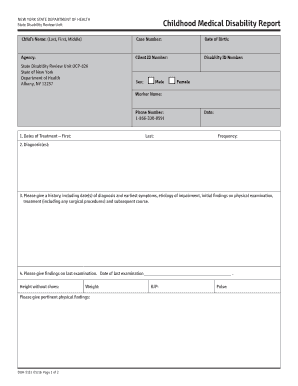
The "Foot Evaluation Form - Diabest Inc" serves as a comprehensive document for assessing the foot health of patients. It is primarily used by healthcare professionals to record critical information, including patient and physician details, foot measurements, and diagnostic insights. This form is essential for evaluating specific foot conditions such as arches, bunions, and ulcers, ensuring a detailed understanding of a patient's foot health for effective treatment and follow-up care.
How to Use the Foot Evaluation Form - Diabest Inc
Using the form requires a methodical approach to accurately capture all necessary data.
-
Patient Information: Begin by entering the patient's full name, date of birth, and contact information. Ensure all details are accurate to facilitate effective communication and record-keeping.
-
Physician Details: Include the attending physician's name, clinic address, and contact number. This helps in clarifying any diagnostic uncertainties and coordinating care plans.
-
Foot Measurements: Accurately measure and note down foot dimensions. This could include length, width, and arch height, which are crucial for diagnosing conditions and recommending therapeutic devices.
-
Diagnostic Evaluation: Record observations for any diagnoses, focusing on areas such as arches, bunions, and ulcers. This section differs based on individual patient needs and requires professional assessment.
-
Device Recommendations: Suggest any required medical devices like orthotics. Consider factors such as the severity of the condition and patient preferences.
Steps to Complete the Foot Evaluation Form - Diabest Inc
-
Prepare the Necessary Information: Gather all relevant patient and medical data beforehand to ensure a smooth evaluation process. This includes prior medical history, current medications, and any previous interventions.
-
Perform a Thorough Examination: Conduct a detailed foot examination. Be attentive to foot structure, skin condition, and overall mobility. This step forms the basis for accurate diagnosis and treatment planning.
-
Fill Out Each Section Accurately: As you perform the examination, fill out each section of the form meticulously. Accuracy is paramount to ensure reliable tracking of the patient's progress over time.
-
Review and Confirm: After filling out the form, review it for any errors or omissions. Confirm the entries with the patient or another healthcare professional if necessary to ensure all information is correct.
-
Store Securely: Once completed, store the form in a secure electronic health record system to maintain patient confidentiality and ensure easy future access.
Key Elements of the Foot Evaluation Form - Diabest Inc
- Patient and Physician Information: Accurate identification details for tracking patient history and facilitating communication.
- Foot Measurements: Essential metrics for diagnosing and tailoring interventions.
- Diagnostic Section: Space for recording specific foot conditions and challenges.
- Device Recommendations: Recommendations for medical devices to support treatment.
- Follow-Up Care: Notes for scheduling future appointments and tracking recovery.
Important Terms Related to Foot Evaluation Form - Diabest Inc
- Bunion: A bony bump that forms on the joint at the base of the big toe. Diagnosis includes checking for swelling, soreness, and the extent of the bunion.
- Ulcer: Open sores typically found on the foot, requiring careful examination to prevent infection.
- Orthotics: Custom-made or pre-fabricated devices inserted into shoes to correct foot alignment and provide support.
Legal Use of the Foot Evaluation Form - Diabest Inc
This form complies with healthcare data protection laws such as HIPAA, ensuring that patient information is processed and stored securely. Password protection options further safeguard sensitive data, and only authorized personnel should access and use the form, ensuring that all legal and ethical standards are maintained in patient care.
Digital vs. Paper Version
Electronic versions of the form provide greater flexibility and accessibility, allowing for seamless integration into electronic health records and easier modifications. Digital forms also support real-time collaboration among healthcare teams, ensuring that all updates are instantly visible to all relevant parties. In contrast, paper forms may limit access and increase the potential for data entry errors.
Software Compatibility
The Foot Evaluation Form is compatible with various document management platforms, including DocHub. This ensures the form can be easily edited, signed, and stored digitally. Such compatibility enhances workflow efficiency, supporting cross-platform access and editing, which is crucial for practitioners who collaborate across different locations and systems.