
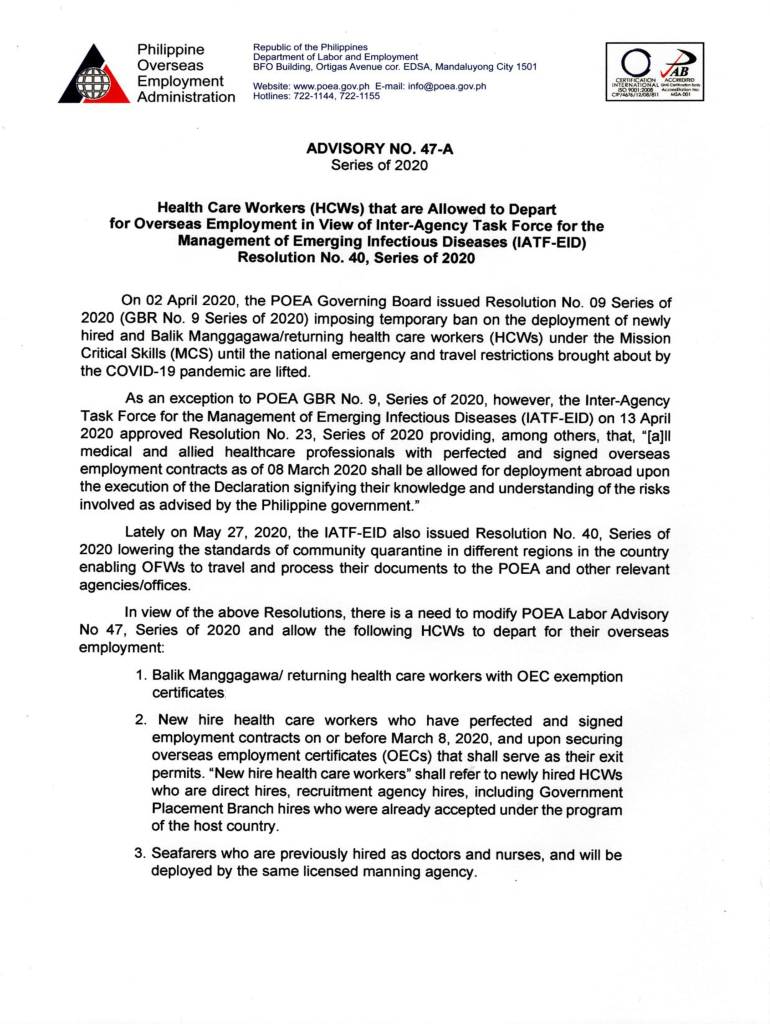







Definition and Purpose of the COVID Declaration for Newly Hired Workers
The COVID declaration for newly hired workers is a form that requires employees to acknowledge their understanding of workplace health protocols related to COVID-19. This form is typically used by employers to ensure that new hires are aware of potential risks associated with COVID-19 exposure and are committed to adhering to safety guidelines. It serves both as a legal acknowledgment and a protective measure for both employers and employees, ensuring that everyone is informed and consenting to the conditions imposed by pandemic-related regulations.
Steps to Complete the COVID Declaration Form
-
Review the Form Contents:
- Begin by thoroughly reading the entire document to understand its contents.
- Pay attention to sections detailing health protocols and the acknowledgment of risks.
-
Fill Out Personal Information:
- Enter your full legal name, contact information, and employee identification number, if applicable.
- Provide your position title and the date of hire.
-
Acknowledge Understanding of Risks:
- Check the appropriate boxes to confirm that you comprehend the risks of COVID-19 exposure in the workplace.
-
Commit to Following Protocols:
- Sign the section that commits you to adhere to all workplace health and safety protocols related to COVID-19.
-
Final Verification:
- Verify that all sections are accurately completed before submitting.
Importance of Each Step
Each step is crucial as it ensures that the employee is fully informed and has explicitly agreed to the terms. Missteps in filling out the form can lead to misunderstandings and legal complications.
Importance of the COVID Declaration for Employers
-
Legal Protection: This form provides a written record that the employee was informed about COVID-19 risks and agreed to follow protocols. In case of disputes, this document can serve as a crucial piece of evidence.
-
Health and Safety Assurance: By requiring a declaration, employers promote transparency and reinforce the importance of maintaining a safe workplace atmosphere for all.
Who Typically Uses the COVID Declaration for Newly Hired Workers
-
Human Resources Departments: HR departments are typically responsible for distributing and collecting these forms as part of the onboarding process.
-
Newly Hired Employees: Individuals recently employed need to fill out this form to ensure compliance with company policies and public health mandates.


Use in Different Employment Sectors
Various sectors, such as healthcare, education, and retail, frequently use this form to align with industry-specific regulations and safety norms.
Key Elements of the COVID Declaration Form
-
Identification Information: Includes employee name, contact details, and employee ID.
-
Risk Acknowledgment: A section where the employee confirms their understanding of possible COVID-19 exposure risks.
-
Health Protocol Commitment: A signed agreement to adhere to specific workplace safety protocols.
-
Non-Coercion Statement: An affirmation that the employee signed the form without any coercion, ensuring free and informed consent.
Examples of Protocols Mentioned
- Use of personal protective equipment (PPE)
- Adherence to social distancing measures
- Regular health screenings or temperature checks
Legal Implications and Compliance
-
Compliance with Health Guidelines: Filling out this form ensures compliance with both federal and state health guidelines, reducing the risk of legal infractions.
-
Record-Keeping Requirement: Employers are required to keep these forms on file for possible future audits or legal inquiries.
Legal Consequences of Non-Compliance
Failure to adhere to mandated protocols or provide truthful information can lead to disciplinary action, including termination, and potential legal repercussions for the employer.
State-Specific Rules and Variations
-
Federal vs. State Regulations: While there are federal guidelines in place, states can have additional specific requirements.
-
Regional Protocols: Some states like California or New York may have stricter regulations due to higher populations and previous case surges.
Variations by State
Different regions might require additional declarations or modified language based on local public health orders or case metrics.
Examples of Effective Use
-
Case Study: Healthcare Sector: In hospitals, declarations have been pivotal in safeguarding against potential inter-staff transmission, allowing prompt corrective actions if protocols are breached.
-
Case Study: Corporate Environment: Corporations have used these forms to maintain operational continuity by ensuring all staff members are aligned with health guidance.
Real-world Applications
Real-world use has shown that consistent application of COVID declarations can significantly reduce workplace transmission rates and reassure both employees and customers of a safe environment.
By carefully detailing each aspect of the COVID declaration for newly hired workers, organizations can foster a safer workplace while ensuring legal compliance and employee commitment to health protocols.




