
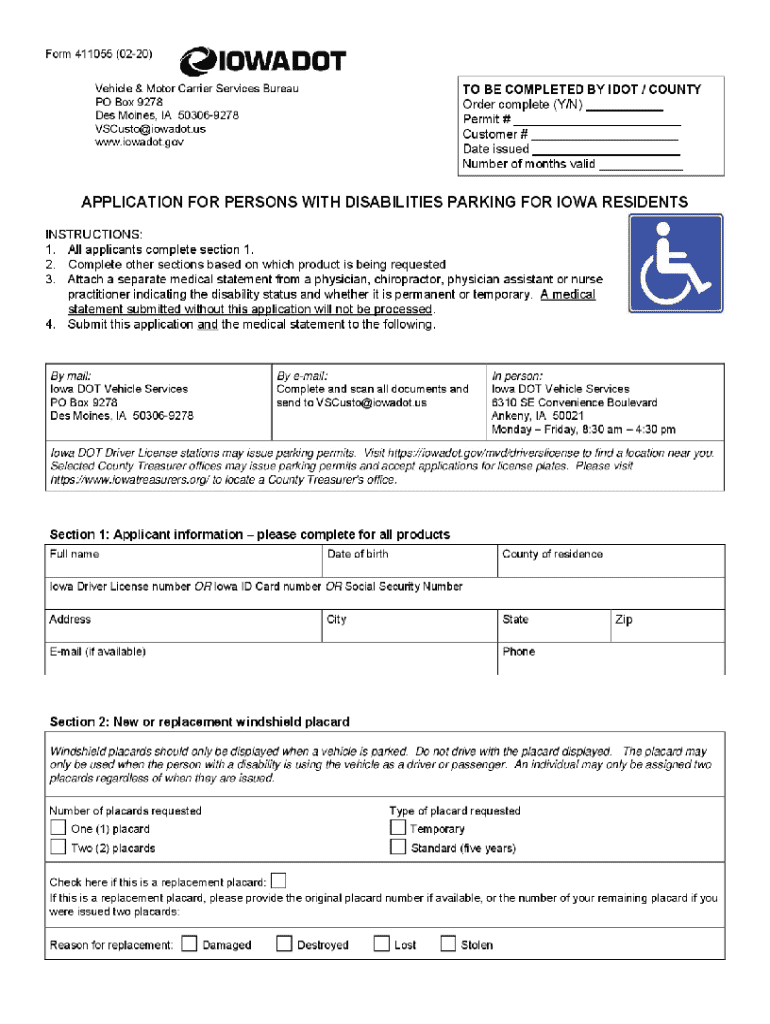







Definition and Meaning of Form Online
Filling a form online refers to the process of completing and submitting digital forms through the internet. These forms can include applications, registrations, surveys, or any other type of document that traditionally required paper. The digital transformation of forms allows users to input and submit information conveniently from any location, streamlining both personal and business transactions. Online forms can be simple, with basic text fields, or complex, incorporating interactive elements such as dropdowns and signature fields to enhance user engagement and data collection.
Steps to Complete the Form Online
Completing a form online typically involves a series of straightforward steps designed to guide users through the information submission process:
-
Access the Form: Locate the form on the relevant website or platform, such as DocHub, and ensure you have all necessary information and documents ready before starting the process.
-
Fill in Required Fields: Enter the required details in the provided fields. These can include personal information, preferences, or other requested data. Ensure accuracy as this information is usually critical for processing.
-
Attach Necessary Documents: If the form requires supporting documents, use the platform's upload feature to attach files directly from your computer or cloud storage services.
-
Review and Validate: Carefully review all entries to check for errors or missing information. Some platforms offer validation checks to highlight fields that require attention.
-
Submit the Form: Once satisfied with the completed form and attachments, submit the form using the designated button. Some platforms will provide immediate confirmation, while others may send a confirmation message via email.
Why Should You Form Online
Using online forms offers numerous benefits compared to traditional paper-based methods:
- Convenience: Accessible from anywhere with internet access, eliminating the need for physical visits or mail submissions.
- Efficiency: Faster completion and submission, reducing processing times and enabling near-instant confirmation.
- Cost-Effectiveness: Reduces or eliminates the costs associated with printing, mailing, and handling physical forms.
- Environmentally Friendly: Diminishes paper usage, contributing to sustainability efforts by decreasing reliance on physical materials.
- Secure and Reliable: Platforms like DocHub provide robust security features, including encryption and secure storage, to protect sensitive information from unauthorized access.
Key Elements of the Form Online
Several key elements structure an online form and enhance its functionality:
- Text Fields: Allow for the input of data such as names, addresses, and other textual information.
- Checkboxes and Radio Buttons: Facilitate easy selection of options, useful for preference selection or agreement acknowledgment.
- Dropdown Menus: Provide a list of options from which users can select, ensuring uniformity in responses.
- Signature Fields: Enable the signing of forms electronically, ensuring that signatures are legally binding.
- Validation Features: Offer automated checks for data accuracy and completeness before submission.
Examples of Using the Form Online
Online forms are utilized across various sectors for multiple purposes:
- Government Applications: Used for submitting tax forms, applying for permits, or enrolling in public services.
- Business Transactions: Employed for contract management, customer intake, and vendor agreements.
- Educational Institutions: Applied in student admissions, course registrations, and feedback collection.
- Healthcare: Used for patient intake forms, consent forms, and medical history updates.
Software Compatibility of Form Online
Online forms are compatible with various software applications to enhance user experience and document management:
- DocHub: Offers seamless integration with Google Workspace, allowing users to import and export documents directly from Google Drive and Gmail.
- QuickBooks: Helps businesses streamline financial forms and expenses through integration.
- Tax Software: Platforms like TurboTax accommodate online tax forms, simplifying the annual filing process and ensuring compliance with IRS requirements.
Required Documents for Form Online
Before starting an online form, gather all necessary documents, which may include:
- Identification: Such as driver's licenses, passports, or social security numbers, especially for government-related forms.
- Financial Records: Bank statements or tax documents, necessary for financial applications or disclosures.
- Previous Correspondence: Earlier communication or documentation relating to the subject matter of the form can be useful for reference and accuracy.
Legal Use of Form Online
Electronic forms often carry the same legal weight as their paper counterparts:
- Digital Signatures: Recognized under the ESIGN Act, making contracts and bindings enforceable when electronic signatures are used.
- Compliance Standards: Platforms ensure that forms meet necessary legal standards, providing audit trails and secure document management for accountability.
Online forms provide an efficient, secure, and convenient means to manage transactions across numerous industries, making them essential tools in contemporary digital workflows.




