01. Edit your uk online
Type text, add images, blackout confidential details, add comments, highlights and more.

Type text, add images, blackout confidential details, add comments, highlights and more.

Draw your signature, type it, upload its image, or use your mobile device as a signature pad.

Send uk form via email, link, or fax. You can also download it, export it or print it out.
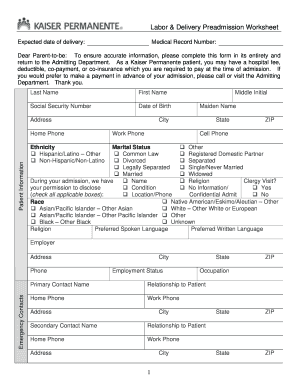
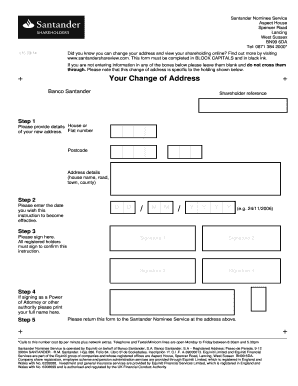
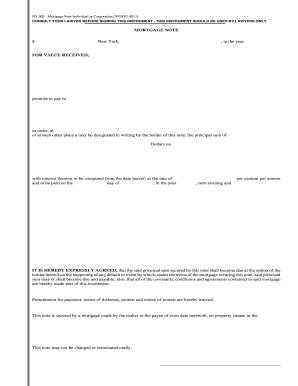
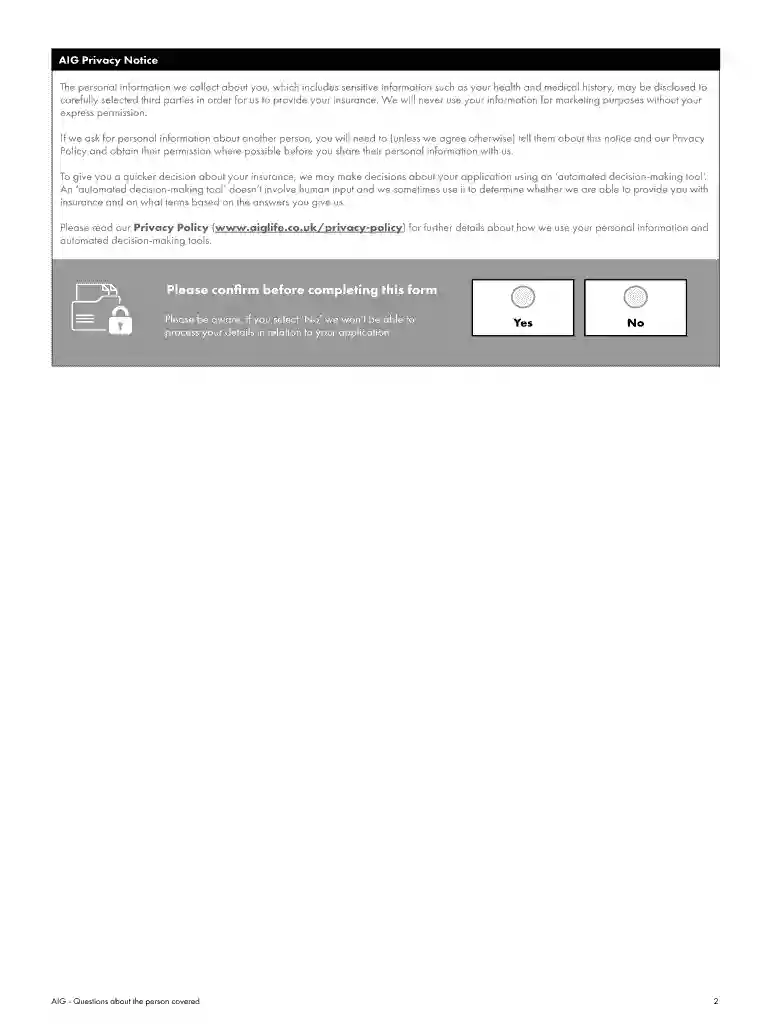
The term "covered" can refer to a wide range of applications depending on the context, from insurance policies to information collection tools. In this context, the term is often used to describe a form designed to gather necessary details about a person or item that will be covered under a specific policy or service. This form is not commonly an application itself but a preparatory document that aids in collecting personal, medical, financial, or other relevant data required to assess coverage eligibility or tailor services to meet specific needs.
To utilize a covered form effectively, start by reviewing all sections to understand the information required. Fill out the form with accurate and complete details, ensuring that all necessary fields are addressed. If the form involves multiple parties, such as in insurance or service coverage scenarios, verify that each section related to specific individuals is completed correctly. This approach minimizes errors and facilitates smooth processing.
Completing the covered form is essential for ensuring eligibility for the intended coverage, whether it be insurance, service protection, or another form of guarantee. This document serves as a foundational step in protecting your interests and securing necessary services. By providing accurate and thorough information, you facilitate the process of obtaining the coverage you need without unnecessary delays or complications.
Typically, individuals or entities seeking coverage under an insurance policy or contractual agreement will complete the covered form. This includes individuals applying for health, life, or property insurance as well as businesses seeking liability or service coverage. Additionally, financial institutions and government agencies may require such forms to process transactions or determine eligibility for benefits.

Different states in the U.S. may have unique requirements or regulations regarding covered forms. It's crucial to familiarize yourself with state-specific policies, especially regarding mandatory disclosures, and compliance with local laws. This ensures the form meets all legal standards and avoids delays in processing.
For example, in the context of life insurance, the covered form may be used to detail the insured's personal and medical histories. Similarly, for property insurance, the form might require information about the property covered and existing liabilities. These real-world instances highlight the versatility and necessity of having a correctly filled out covered form to initiate appropriate measures.
Failing to complete the covered form accurately or omitting required information can lead to significant consequences. This may include the denial of coverage, claims being voided, or even financial penalties in case of misrepresentation. It is crucial to adhere strictly to the form's requirements to avoid these potential issues.
Software solutions like TurboTax and QuickBooks might offer features that can assist in filling out covered forms, particularly in contexts involving taxes or financial reporting. Leveraging these tools can ensure accuracy and help manage form submissions efficiently. It is important to verify that any third-party software is compatible with the specific type of covered form you need to fill out.
Businesses across various sectors, such as LLCs, corporations, and partnerships, may need to use covered forms when applying for insurance or protection services. Understanding the specific requirements for each business type ensures that all elements of risk are properly addressed, and appropriate coverage is obtained.
Choosing between digital and paper versions of the covered form can impact the convenience and efficiency of the submission process. Digital forms offer benefits like fast submission and easy corrections, while paper forms might be better in environments where digital access is limited. It is important to select the method most aligned with your resources and preferences.
By following these guidelines and understanding the context in which a covered form is used, individuals and businesses can navigate the process efficiently, ensuring that all necessary information is communicated and compliance is maintained.
At DocHub, your data security is our priority. We follow HIPAA, SOC2, GDPR, and other standards, so you can work on your documents with confidence.