
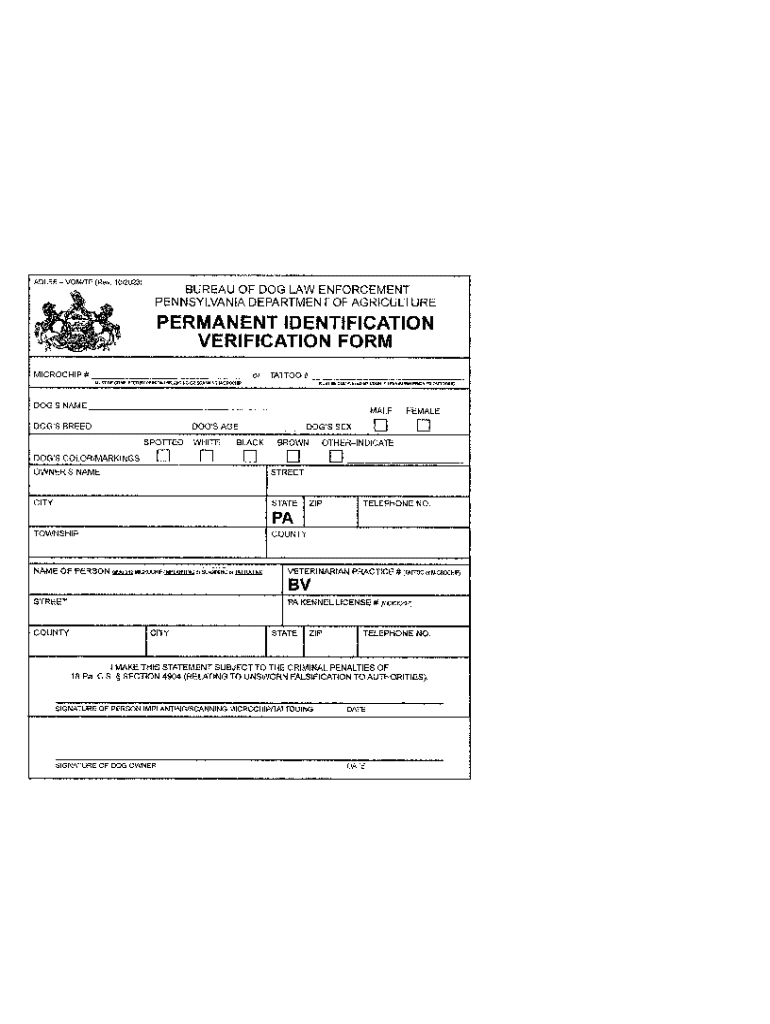







Definition and Meaning of Forms Online
Forms online refer to digital versions of traditional paper forms that can be accessed and completed via the internet. This approach simplifies the process of gathering and submitting information for various purposes, such as applications, registrations, and certifications. Online forms eliminate the need for physical paperwork, making it easier to manage and track submissions in a digital environment.
When using online forms, users can benefit from automated data entry, instant validation of input fields, and immediate confirmation of submission. These forms range from simple contact forms to complex legal documents that require multiple signatures or approvals. As organizations move towards digital solutions, online forms have become an indispensable tool for streamlining workflows and improving efficiency.
How to Use the Form Online
Using forms online is generally straightforward, but the process can vary based on the specific type of form and platform. Typically, users will follow these steps:
-
Accessing the Form: Navigate to the website hosting the form. This could be a government portal, a service provider, or a specific company's website.
-
Filling Out the Form: Enter the required information into the designated fields. Many forms offer auto-complete features or dropdown menus to speed up this process.
-
Reviewing the Information: Double-check all entries for accuracy. Some platforms provide real-time validation, alerting users to errors or incomplete sections.
-
Certification and Signing: If applicable, digitally sign the form. Platforms like DocHub offer tools to create legally binding electronic signatures.
-
Submitting the Form: Once complete, submit the form by clicking the appropriate button. You should receive a confirmation email or message indicating the submission was successful.
Steps to Complete the Form Online
Completing an online form involves several precise steps crucial for ensuring the data provided is accurate and successfully submitted for processing:
-
Start by Locating the Form: Make sure you are on the official website or platform hosting the specific form you need.
-
Begin Filling the Form: Carefully enter all required personal and/or professional details. Common fields might include name, contact information, and specific data relevant to the form's purpose.
-
Attachments and Supporting Documents: Some forms may require additional documents to be uploaded. Prepare digital copies in advance and follow instructions on how to upload them securely.
-
Validation and Final Checks: Before submitting, many forms offer a review section to ensure all provided information is accurate and complete.
-
Submission and Confirmation: After final review, submit the form. A confirmation number or email should be received, providing assurance that your submission is in process.
Why You Should Use Forms Online
Online forms offer numerous advantages over their paper counterparts, making them a preferred choice for both individuals and organizations:
-
Convenience and Accessibility: Forms can be completed from any location with internet access, eliminating the need for physical submission.
-
Speed and Efficiency: Automated processes reduce the time required to fill out forms and ensure faster processing and responses.
-
Cost-Effectiveness: As paper and printing costs are eliminated, organizations save money and resources.
-
Environmental Impact: Reduces paper waste, aligning with eco-friendly initiatives and sustainability goals.
-
Error Reduction: Includes built-in validation checks that minimize entry errors, ensuring higher quality data collection.
Key Elements of the Form Online
The components of an online form are designed for ease of use while ensuring comprehensive data collection:
-
User-Friendly Interface: Simple layouts with clear, concise instructions to guide users.
-
Interactive Data Fields: Includes text input areas, dropdown menus, checkboxes, and radio buttons to capture specific responses.
-
Security Features: Secure data entry and storage protocols to protect sensitive information, often employing SSL encryption.
-
Guidance and Help Tools: Frequently includes help prompts or tooltips for complex sections of the form, offering guidance for users who may struggle with particular fields.
Form Submission Methods: Online, Mail, In-Person
Depending on the situation and type of form, there are several submission methods:
- Online Submission: Most forms are designed for direct online submission, which is immediate and confirms successful receipt in real-time.
- Mail Submission: Although less common for online forms, some documents might require a physical signature and postal submission.
- In-Person Submission: Reserved for forms involving sensitive information or needing direct verification, potentially requiring a visit to a specific office or institution.
State-Specific Rules for Forms Online
The regulations surrounding online forms can vary significantly from state to state in the United States, often influenced by state-specific legislation and compliance requirements:
-
Variability in Requirements: Different states may have unique data privacy laws that impact how information is collected and stored through online forms.
-
Jurisdiction-Specific Fields: Certain fields and elements within forms may be adapted to comply with local laws (e.g., tax forms tailored to specific state tax codes).
-
Notarization and Validation: Some online forms might require additional steps for notarization, especially in legal or official capacities.
Security and Legal Use of Online Forms
Security and legality sit at the core of using forms online, ensuring that data management aligns with legal standards:
-
Authentication Protocols: Systems like OAuth 2.0 ensure secure login and authenticate user access.
-
Compliance with Regulations: Most platforms comply with relevant data protection laws such as the General Data Protection Regulation (GDPR) or the California Consumer Privacy Act (CCPA).
-
Data Encryption: Essential for protecting sensitive data during transmission, typically achieved with 256-bit encryption.
-
Audit Trails: Important for tracking submissions, establishing a clear record of who has accessed or modified the form, often required in legal contexts.
Emphasizing the technical, legal, and user-centric aspects provides a comprehensive insight into the utilization and benefits of forms online.




