







Overview of the Vanderbilt ADHD Test for Adults PDF
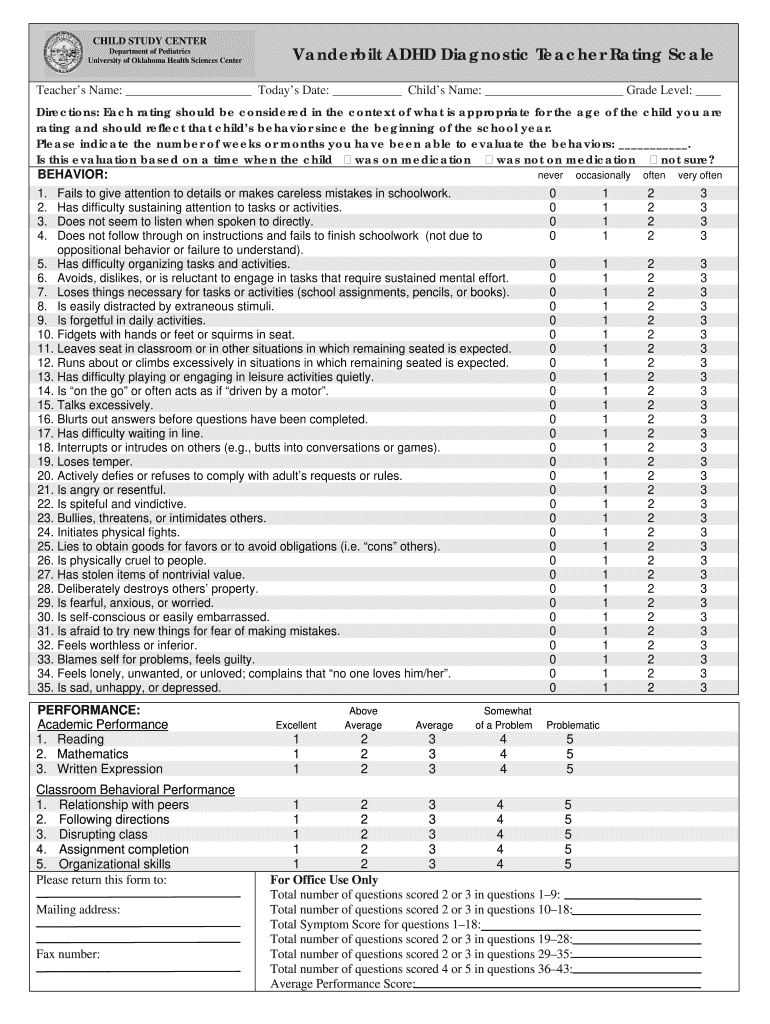
The Vanderbilt ADHD Test for adults is a critical assessment tool used to evaluate Attention Deficit Hyperactivity Disorder (ADHD) characteristics. Designed specifically for adults, this test provides a structured approach to identifying ADHD symptoms and associated challenges. It is pivotal for clinicians to have standardized tests that accurately capture a comprehensive picture of an individual’s functioning, thus promoting effective interventions.
Purpose of the Vanderbilt ADHD Test
The primary aim of the Vanderbilt ADHD Test for adults is to gather relevant data regarding an individual’s behavioral patterns, which can help in diagnosing ADHD. It allows healthcare professionals to assess:
- Inattention Symptoms: Users report difficulties in staying focused, organizing tasks, and following through on instructions.
- Hyperactivity and Impulsivity Symptoms: The test captures behaviors where individuals may feel restless, often interrupt others, or engage in impulsive decision-making.
- Functional Impairment: Evaluators can determine how ADHD symptoms affect daily activities, work performance, and interpersonal relationships.
The structured format of the test contrasts with other subjective assessments, offering a more reliable framework for diagnosis.
Administration Process of the Test
Administering the Vanderbilt ADHD Test involves several key steps:
- Distribution: The test can be provided in various formats, including printed PDFs, which allow respondents to complete it at their convenience.
- Completion: Individuals respond to a series of statements related to their behavior and experiences. Typically, they evaluate these on a scale reflecting frequency or severity.
- Scoring: Once completed, the responses are tallied and analyzed to determine symptom thresholds consistent with ADHD criteria, enabling precise scoring aligned with established diagnostic guidelines.
Scoring and Interpretation
Scoring the Vanderbilt ADHD Test for adults encompasses multiple factors:
- Total Scores: The sum of item ratings in each of the symptom categories indicates whether an individual meets criteria for ADHD.
- Type Classification: The results may categorize ADHD as Predominantly Inattentive, Predominantly Hyperactive/Impulsive, or Combined Presentation based on the scoring outcomes.
- Clinical Relevance: Scores are interpreted against normative data to ensure accurate diagnosis and highlight the need for further assessment or intervention.
Commonly Used Versions and Formats
The Vanderbilt ADHD assessment exists in various forms, allowing for adaptability based on individual needs:
- Vanderbilt ADHD Test for Adults PDF: The downloadable PDF format is often favored for its accessibility and ease of use.
- Interactive Online Assessments: Many healthcare providers also utilize digital versions that may include automated scoring and reporting tools.
- Alternate Versions: Variants such as the Vanderbilt ADHD executive functioning scale are also available for comprehensive assessment, focusing on specific traits like organization and task initiation.
Importance of Accurate Assessment Tools
Within the context of ADHD diagnosis and treatment, employing an effective tool like the Vanderbilt ADHD Test is paramount:
- Evidence-Based Practices: Utilizing scientifically validated tools ensures that clinicians can base their interventions on reliable data.
- Identifying Co-occurring Conditions: The test can also shed light on additional issues such as anxiety or depression, often present in individuals with ADHD.
- Enhancing Treatment Plans: Accurate assessment fosters personalized treatment strategies, thereby improving outcomes for individuals struggling with ADHD.
In summary, the Vanderbilt ADHD Test for adults serves as a vital resource, aiding both clinicians and patients in comprehensively understanding the impact of ADHD on daily functioning and overall quality of life.




