




01. Edit your form online
Type text, add images, blackout confidential details, add comments, highlights and more.

Type text, add images, blackout confidential details, add comments, highlights and more.

Draw your signature, type it, upload its image, or use your mobile device as a signature pad.

Send it via email, link, or fax. You can also download it, export it or print it out.
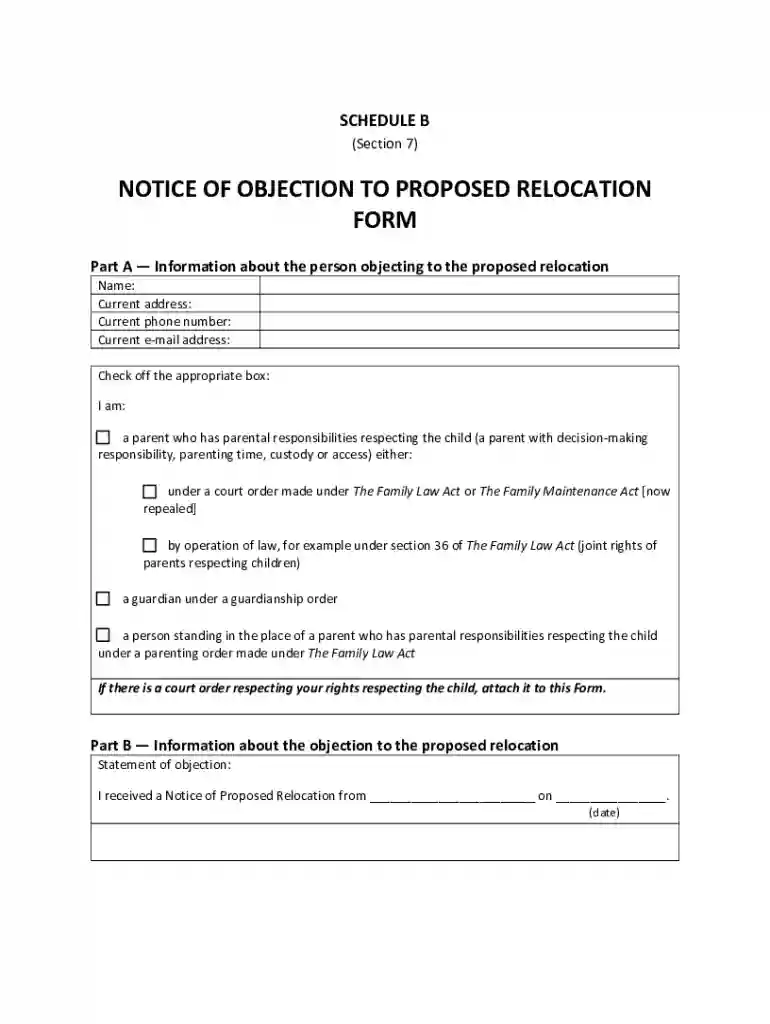
The Objection to Relocation Form is a legal document used by individuals who wish to formally contest the proposed relocation of a child by another parent or guardian. This form is particularly important in custody-related situations, as it provides a structured way for the objecting party to present their concerns and reasons for opposing the move. By using this form, the objecting parent or guardian can ensure their concerns are formally recorded and considered in legal proceedings. This may impact any potential changes to custody arrangements or visitation rights, making it a critical document in family law cases.
To effectively utilize the Objection to Relocation Form, individuals must follow a specific procedure to ensure their objections are properly documented and presented. The process typically begins by obtaining the form from the appropriate legal or court-related source. Once in possession of the form, the objector must carefully fill out each section, providing detailed information and reasoning. After completion, the form must be submitted to the relevant legal authority or court, possibly accompanied by additional supporting documents. Knowing the proper filing process is essential to safeguard one's parental rights and influence custody decisions.
The legal implications of submitting an Objection to Relocation Form are significant. This document becomes a formal part of the legal record in custody cases and can influence court decisions regarding relocation requests. It is often used in family court settings in response to a notice of intent to relocate provided by the other parent. The form provides the objector an opportunity to present their case as to why the move would not be in the best interest of the child, which the court will consider when making its ruling. It's essential for the form to be filled out accurately to ensure the court gives it due consideration.
The legal processes regarding relocation objections can vary significantly by state. Each state may have its own requirements about deadlines for filing the form, additional forms that need to be completed, and specific court rules that must be followed. Some states require mediation before a hearing, others may have special considerations for military families or interstate moves. It is crucial for individuals to consult legal guidance or a family law attorney experienced in specific state law to ensure compliance with all local regulations.
Consider the case of a parent who learns their former spouse intends to relocate with their child to another state. The concerned parent believes this move will disrupt established routines and damage the child's relationship with extended family. By filing the Objection to Relocation Form, the parent formally articulates these concerns to the court, providing evidence like school records and testimony from family members to support their position. The court will review these factors carefully in its deliberations.
Supporting documents can greatly strengthen an objection to relocation. These might include:
At DocHub, your data security is our priority. We follow HIPAA, SOC2, GDPR, and other standards, so you can work on your documents with confidence.
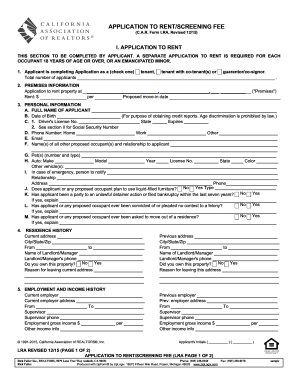




To object to the proposed relocation, you must complete the attached counter-affidavit and serve it on the other party by certified mail, return receiptRead more
Objection is a runtime mobile exploration toolkit, powered by Frida. It was built with the aim of helping assess mobile applications and their security postureRead more
Court Forms: Objection about Moving with Children (Relocation) (Objecting Party) To download these forms, right click the mouse and choose Save Target As (Read more


