Definition and Meaning
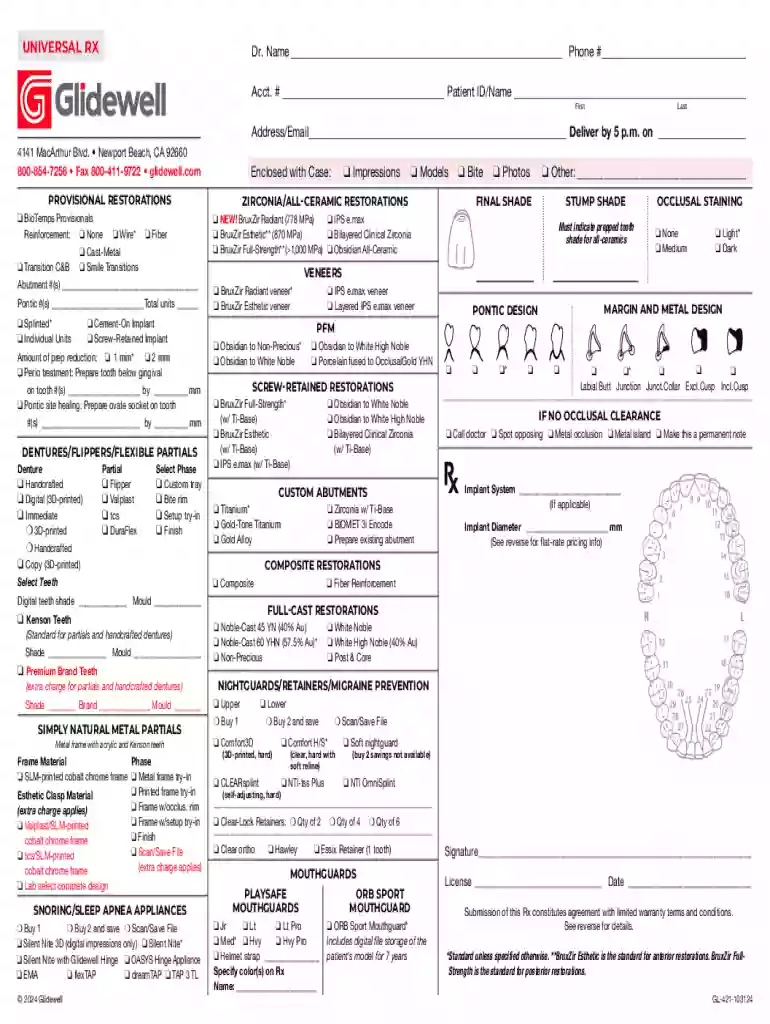
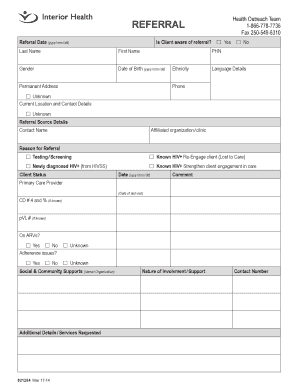
The "# Patient ID Name" refers to a specific identifier used commonly within healthcare and administrative contexts. This identifier typically serves as a unique name for each patient, simplifying the process of managing patient records, facilitating communication, and reducing errors. In a digital environment, like that provided by DocHub, such identifiers help in keeping track of individual documents associated with each patient in a streamlined and organized manner.
Importance of a Unique Identifier in Document Management
- Ensures confidentiality and improves data management efficiency.
- Facilitates quick retrieval of patient-specific documents.
- Reduces errors in patient identification and documentation.
- Enhances communication among healthcare professionals regarding patient information.
How to Use the # Patient ID Name
Using the "# Patient ID Name" effectively can streamline various administrative processes. Here's how it typically functions within a document management system like DocHub:
- Assigning an ID: At the initial point of patient registration, a unique identifier is assigned. This ID helps in categorizing and managing patient documents efficiently.
- Document Tagging: As you create or receive documents related to the patient, tag them using the patient ID. This can include medical records, consent forms, and prescription details.
- Secure Sharing and Collaboration: In systems like DocHub, patient IDs facilitate secure sharing of documents among healthcare providers, ensuring that sensitive data is accessed only by authorized personnel.
- Tracking and Auditing: The identifier allows for comprehensive tracking of document history, providing a clear audit trail of who accessed and modified documents.
How to Obtain the # Patient ID Name
The process of obtaining a "# Patient ID Name" involves several steps to ensure accuracy and privacy compliance:
- Registration Phase: During patient registration, healthcare facilities assign a patient ID, typically generated automatically by an electronic health record (EHR) system.
- Verification: The assigned ID is verified through double-checking patient details such as name, date of birth, and social security number to avoid duplication or errors.
- Integration with Document System: Once verified, the ID is integrated into document management platforms like DocHub, facilitating document handling and patient record organization.
Steps to Complete the # Patient ID Name
Completing the "# Patient ID Name" involves ensuring that the identifier is used consistently and accurately throughout all patient documents:
- Initial Input: Enter the patient's full name and other relevant information in the system to initialize the ID generation.
- Cross-Verification: Double-check the information to prevent data entry errors.
- Assigning the ID: Utilize the automated system to generate the unique "# Patient ID Name".
- Document Standardization: Use the ID across all patient-related documents to ensure standardized referencing.
- Regular Updates: Periodically verify the ID details to maintain accuracy as patient information changes.
Legal Use of the # Patient ID Name
The legal utilization of the "# Patient ID Name" must adhere to privacy laws and regulations:
- HIPAA Compliance: The identifier must be used in compliance with HIPAA regulations to ensure the confidentiality and security of patient data.
- Data Sharing Agreements: Establish clear data-sharing agreements when using patient identifiers to exchange information with third parties to avoid unauthorized access.
Legal Implications
- Authorized use prevents unauthorized disclosure of patient information and legal penalties.
- Ensures that patient information remains protected throughout its lifecycle on various platforms.
Key Elements of the # Patient ID Name
The "# Patient ID Name" involves several critical elements that make it an effective tool for document management:
- Unique Identifier: A distinctive ID, specific to each patient, preventing ambiguity in patient identification.
- Consistency Across Platforms: Applies uniformly across digital and physical documentation systems.
- Integration Capability: Seamlessly integrates with existing EHR systems and platforms like DocHub for efficient document handling.
Benefits
- Simplifies the complexity involved in managing multiple patient records.
- Enhances the security and privacy of patient information across the healthcare continuum.
Examples of Using the # Patient ID Name
Examples illustrate the practical application of this identifier in real-life scenarios:
- During Hospital Visits: The patient ID is used to quickly retrieve the patient's medical history and treatment protocols, streamlining the check-in process.
- Prescription Management: Pharmacies can use the ID to access patient-specific medication records, ensuring accurate prescription dispensation.
- Insurance Claims: Helps in the swift processing of insurance claims by offering a straightforward reference point for patient medical history.
Form Submission Methods
For managing documents with the "# Patient ID Name":
Online Submission
- Enter the patient ID when uploading documents to platforms like DocHub, ensuring correct placement in the system.
In-Person Submission
- Provide the patient ID during in-person meetings to staff, allowing for accurate record updates.
Mail Submission
- Include the patient ID on mail-in documents to maintain consistency in manual record systems.
Utilizing the "# Patient ID Name" effectively maximizes efficiency in document management and upholds the security and accuracy of patient records across the healthcare industry.