Definition & Meaning
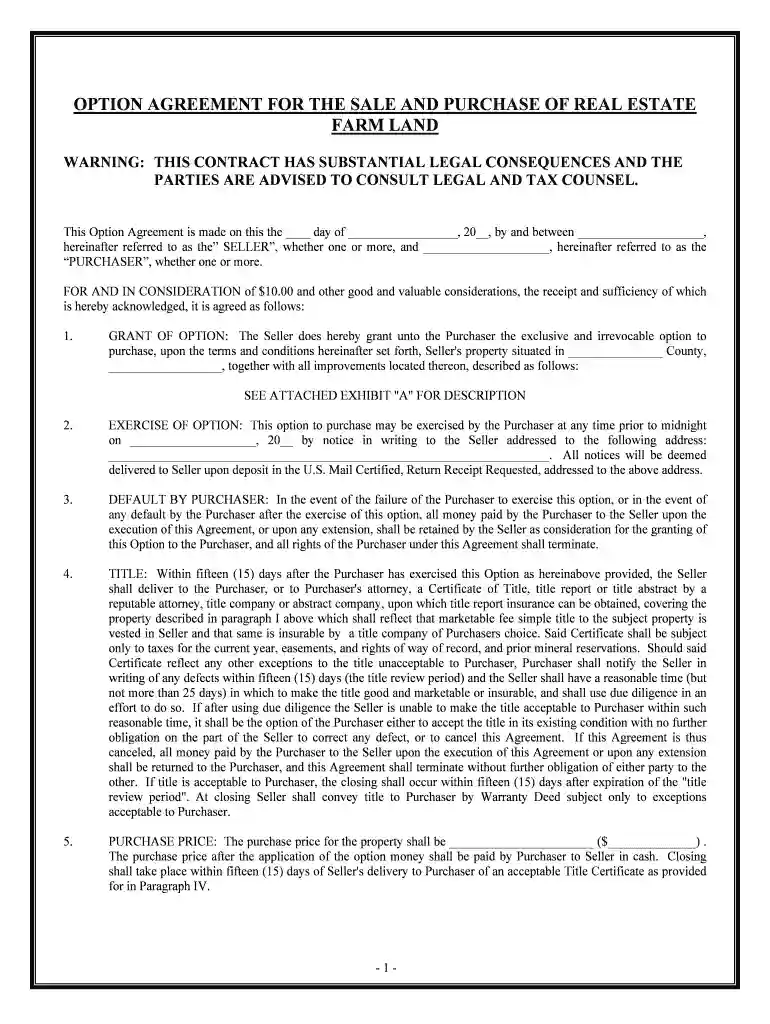
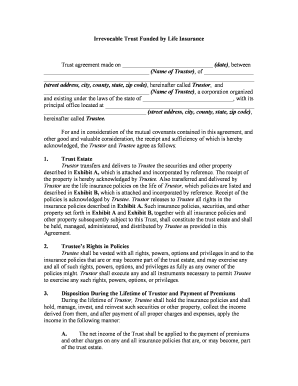
The "sale purchase land" form, often referred to as a sale and purchase agreement for land, is a legally binding document that establishes the terms and conditions under which land, generally real estate, is transferred from a seller to a buyer. This agreement is essential in ensuring that both parties are clear on the obligations, rights, and details pertaining to the transaction. The agreement typically covers the description of the property, the agreed purchase price, and significant contingencies that might influence the sale.
Examples of Sale Purchase Land Uses
- Transfer for Development: Investors or developers may use this form to acquire land intended for building residential properties or commercial premises.
- Agricultural Purposes: Farmers or agricultural businesses can utilize the form to expand their farming operations to new plots of suitable land.
- Preservation Objectives: Environmental groups may acquire land to protect natural habitats or significant ecological areas.
Key Elements of the Sale Purchase Land
The sale purchase land form consists of several critical elements that ensure comprehensive coverage of the transaction details. These elements provide legal protection and clarity to both parties involved.
Core Components
- Property Details: A detailed description of the land, including physical boundaries, zoning information, and any existing structures.
- Purchase Price: Clearly stated and agreed upon monetary compensation the buyer will provide to the seller.
- Contingencies: Conditions that must be satisfied for the transaction to proceed, such as financing approval or satisfactory property inspection results.
- Legal Obligations: The responsibilities of each party during the transaction period, including maintaining property condition and adhering to agreed timelines.
Additional Elements
- Closing Costs: An outline of who is responsible for costs associated with the closing of the sale, which can include taxes, fees, and insurance.
- Default Clauses: Terms detailing the repercussions or courses of action if either party fails to fulfill their part of the agreement.
- Title Requirements: Ensures that the seller holds a clear title to the property and must provide it to the buyer free of liens or encumbrances.
Steps to Complete the Sale Purchase Land
Completing the sale purchase land form requires careful adherence to each outlined step to ensure a legally sound transaction.
Detailed Procedure
- Preparation and Negotiation: Both parties discuss the terms, negotiate the purchase price, and agree on contingencies.
- Drafting the Agreement: Create the preliminary agreement document, including all essential elements and clauses.
- Legal Review: Both parties, often with their legal advisors, review the document to ensure full comprehension and legal accuracy.
- Signing: The buyer and seller sign the agreement, legally binding both parties to the terms.
- Contingency Completion: Any stipulations such as property inspections or loan approvals must be completed.
- Closing: Finalize the transaction, transfer funds, and ensure all paperwork is properly filed and recorded.
Important Considerations
- Document Verification: Double-check all details for accuracy, especially legal descriptions and personal information.
- Timeline Adherence: Follow the agreed-upon timeline strictly to avoid breaches of contract.
Legal Use of the Sale Purchase Land
Legality is a crucial aspect of the sale purchase land form, setting the stage for a valid and enforceable transaction, recognized under U.S. laws.
Legal Aspects
- Contractual Capacity: Both parties must have the legal capacity to enter into a contract, typically involving being of legal age and sound mind.
- Mutual Consent: Demonstrates that both the seller and buyer agree to the terms without any form of coercion or misinformation.
- Fulfillment of Legal Requirements: The agreement should comply with all state and federal regulations governing land transactions.
Enforcement and Disputes
- Legal Recourse: Clearly outlines the available legal paths if either party fails to comply with the contract terms.
- Arbitration Clauses: Details any alternative dispute resolution methods agreed upon to handle potential disagreements out of court.
State-Specific Rules for the Sale Purchase Land
Rules for the sale purchase land can vary significantly from state to state in the United States, tailoring the form's application to local legal frameworks.
Regional Variations
- Property Taxes: Tax responsibilities and rates can vary greatly, affecting the overall cost of the land purchase.
- Disclosure Requirements: States may demand varying levels of disclosure about the land's condition, prior uses, or environmental issues.
- Zoning Laws: Local zoning regulations may limit how the purchased land can be developed or used.
Practical Scenarios
- California Example: Requires extensive disclosures related to seismic activities and environmental impact.
- New York Scenario: Heavily regulates the association with real estate agents and requires detailed brokerage agreements.
Required Documents for Sale Purchase Land
Submitting a thorough and legally acceptable sale purchase agreement necessitates a collection of essential documentation.
Documentation Checklist
- Deed: Current deed showing the seller's ownership of the property.
- Title Report: Documentation verifying that the title is clear of liens and disputes.
- Inspection Reports: Records from any inspections conducted as part of the transaction contingencies.
- Financing Papers: If applicable, documents proving the buyer’s loan approval.
- Disclosure Statements: Various state-required disclosures about the property’s condition and history.
Application Process & Approval Time
Navigating through the application and approval process is essential for a smooth transaction when dealing with the sale purchase land form.
Application Process
- Initiating the Process: Begin by gathering all necessary data and completing the initial agreement draft.
- State Compliance: Ensure adherence to all state-specific land sale regulations and requirements.
Typical Approval Timelines
- Inspection Periods: Generally, thirty to sixty days for property assessments and meeting conditions.
- Final Approvals: Often an additional thirty days post-conditional approval, particularly dependent on financing particulars.
Important Terms Related to Sale Purchase Land
Understanding the terminology associated with the sale purchase agreement is vital to accurately comprehend and navigate the form.
Key Terms
- Escrow: A financial arrangement where a third party temporarily holds funds during the transaction's completion.
- Lien: A legal right or interest that a lender or creditor has in the debtor's property, until a debt is satisfied.
- Contingency: A condition that must be met for the agreement to remain binding.
- Title Insurance: Protection against losses due to property ownership disputes or defects in the title.
These eight sections provide comprehensive insights into the sale purchase land form, covering its essential components, processes, and state-specific nuances.