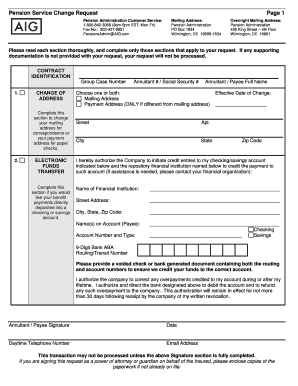
01. Edit your form online
Type text, add images, blackout confidential details, add comments, highlights and more.

Type text, add images, blackout confidential details, add comments, highlights and more.

Draw your signature, type it, upload its image, or use your mobile device as a signature pad.

Send it via email, link, or fax. You can also download it, export it or print it out.
The "Request for Compensatory Time Off for Travel - DoDEA" form is intended for employees seeking compensation for travel-related time. This document allows eligible employees to account for time spent traveling that is not part of their regular duty hours. The compensated time serves as time off from work rather than monetary compensation. Form completion involves detailing personal information, travel itineraries, and specific calculations of compensatory hours, ensuring that employees effectively document travel time qualifying for compensatory time off.
Obtaining the "Request for Compensatory Time Off for Travel - DoDEA" form involves several straightforward methods. Employees can access this document from their organization's human resources department, ensuring they receive the most recent version. Alternatively, many institutions provide digital copies through their intranet or employee portals, enabling easy download and printing. For those working within the Department of Defense Education Activity (DoDEA), direct access is often available via the official DoDEA website or internal document management systems.
Fill Out Personal Information: Begin by entering your full name, employee identification number, and contact information. This ensures proper identification within the organization.
Document Travel Itinerary: Provide comprehensive details about your travel, including dates, times, and locations. This section captures the context needed to evaluate travel-related time accurately.
Calculate Compensatory Hours: Use the form to itemize time spent in travel outside regular working hours. Consider non-duty periods, meal times, and any unusual waiting required during the journey.
Attach Supporting Documents: Include travel itineraries, tickets, and any requisite proof of travel. Substantiating your claims with documentation is essential for validation.
Submit to Supervisor: Forward the completed form and all attachments to your supervisor within five workdays of returning. Prompt submission ensures compliance with company policy and facilitates timely processing.
Eligible employees are typically those engaged in official travel mandated by their job role. The form is specifically intended for use by individuals within the DoDEA, often including teachers, administrative staff, and other educational professionals. Eligibility requires adherence to guidelines stipulating what constitutes compensable travel, focusing on travel during non-duty hours that hasn't been previously compensated otherwise.

The legal use of this form emphasizes the need for adherence to organizational and federal regulations. Compensatory time off for travel is governed by rules specific to the U.S. legal and cultural context, outlining conditions under which travel hours can equate to time off. Compliance with these standards ensures that either the employee or employer is not violating labor laws while processing or granting compensatory time.
Employees can submit the form digitally or as a hard copy. The preferred submission methods generally include email directly to the supervisor or through an employee portal that tracks form submissions. Physical submission involves handing over the document to the immediate supervisory personnel, ensuring receipt is documented for official records.
Although the form's primary focus is federal, state-specific rules can influence the application of compensatory leave for travel, particularly in how travel time is calculated across different time zones or locations. Employees are advised to consult with HR representatives to ensure compliance with any regional variations that might affect their claim.
These carefully selected sections offer comprehensive insights into the usage, submission, and legal backgrounds of the "Request for Compensatory Time Off for Travel - DoDEA" form, ensuring that employees are well-equipped to navigate this aspect of workplace documentation.
At DocHub, your data security is our priority. We follow HIPAA, SOC2, GDPR, and other standards, so you can work on your documents with confidence.