




01. Edit your internship application template online
Type text, add images, blackout confidential details, add comments, highlights and more.

Type text, add images, blackout confidential details, add comments, highlights and more.

Draw your signature, type it, upload its image, or use your mobile device as a signature pad.

Send it via email, link, or fax. You can also download it, export it or print it out.
The internship application template is a structured document that gathers essential information from prospective interns. It typically includes various sections designed to capture comprehensive details about the candidate, ensuring that potential matches between interns and programs are optimized.
Contact Information: This section requires basic personal details such as the candidate’s full name, phone number, email address, and mailing address. Ensuring accuracy here is crucial for effective communication between applicants and the internship providers.
Educational Background: Applicants must provide details about their educational history, including current or recently attended institutions, major fields of study, and any degrees or certifications obtained. This information helps organizations assess the academic qualifications of the candidate for relevant roles.
Career Objectives: This part allows applicants to express their career aspirations and long-term goals. By understanding an applicant’s ambitions, internship coordinators can better align opportunities with the intern’s professional aspirations.
Internship Preferences: Candidates can specify their preferences regarding the internship, such as the type (paid or unpaid) and areas of interest. This section also includes availability in terms of start dates and duration of the internship.
Language Proficiencies: Here, candidates list the languages they are proficient in, and their level of fluency. Some internships may require specific language skills, making this an important consideration for both the applicant and the organization.
Previous Experience: Applicants should detail any prior work or volunteer experiences that are relevant to the internship. This includes positions held, responsibilities undertaken, and skills acquired, which provide a background of the candidate’s practical capabilities.
References: Listing professional or academic references can bolster an application. These references should be individuals familiar with the candidate’s work ethic and capabilities, providing credibility to their application.
Completing the internship application template is a structured process, ensuring that all necessary information is accurately captured.
Gather Required Information: Before starting, collect all relevant documents and personal information. This includes resumes, educational transcripts, reference contact details, and any certificates of achievement.
Fill Out Personal Details: Begin with entering your basic contact information. Double-check for typing errors to prevent any communication mishaps.
Detail Educational Background: Provide complete and current information about your education history, ensuring that institution names and dates are accurately recorded.
Outline Career Objectives: Use this section to communicate your career goals clearly. Be specific about your areas of interest and what you hope to gain from the internship experience.
Specify Internship Preferences: Indicate your preferences regarding the internship, including areas of interest and payment expectations, if applicable.
List Language Skills: Accurately assess your language skills, being honest about proficiency levels to avoid any future misunderstandings during the internship.
Document Previous Experience: Include relevant work experience, providing details that highlight skills and responsibilities pertinent to the internship role.
Provide References: Carefully select and list individuals who can vouch for your skills and experiences. Ensure their contact information is up to date.
Understanding the terminology related to the internship application template can aid in accurately completing and submitting the form.
Applicant: The individual who fills out the internship application template with their personal and professional details.
Internship Coordinator: The person responsible for reviewing applications and matching candidates with internship opportunities.
Paid Internship: An internship where the participant receives financial compensation for their work.
Unpaid Internship: An internship without monetary compensation but provides valuable experience and skills.
References: Individuals who provide testimonials regarding an applicant’s abilities and work ethics.
Proficiency: A measure of skill or competence, often used in the context of language abilities.
Many organizations utilize internship application templates to streamline their intern recruitment process, providing insights into diverse applications.
University Career Centers: Often use these templates to help students gain valuable real-world experience and connect them with firms aligned with their academic studies.
Tech Companies: Employ detailed internship applications that focus on candidates’ technical skills and project experience to fill roles in software development or IT support.
Non-Profit Organizations: Might prioritize sections within the template that relate to volunteer work and alignment with the organization’s mission and values in their intern recruitment process.
Multinational Corporations: Look for language proficiency and international study experience to place interns in various global offices, relying on comprehensive application details to make informed placements.
Internship applications must comply with legal requirements to ensure fair and transparent recruitment processes.
Non-Discriminatory Practices: Organizations should ensure that applications do not discriminate against applicants based on race, gender, age, religion, or other protected classes, adhering to Equal Employment Opportunity laws.
Confidentiality of Information: All personal and sensitive information obtained from applicants should be handled according to privacy laws and organizational data protection policies.
Consent for Data Use: Applicants typically grant consent for their information to be used in the recruitment process, often by signing a data release agreement included in the application.
Organizations may offer both digital and paper versions of the internship application template, each with its advantages and considerations.
Digital Version: Allows for faster submission and processing as applications can be directly submitted through email or online forms. This version can include interactive features such as dropdown menus and checkboxes, enhancing efficiency.
Paper Version: Still used by some organizations, a physical template may be preferred in scenarios where digital access is limited or for formal archival purposes.
Environment Consideration: Digital applications are more environmentally friendly by reducing paper use, aligning with sustainability goals.
Certain software can facilitate the completion and submission of digital internship application templates.
DocHub: Offers a user-friendly platform for filling out and signing the internship application template online, ensuring document integrity and security.
Compatibility with Cloud Services: Integration with services like Google Drive allows candidates to store and retrieve their application documents easily.
Cross-Platform Accessibility: Enables candidates to complete applications from any device with internet access, be it desktop or mobile, reducing barriers to timely submission.
Completing an internship application template often requires supplementary documents that verify and enhance the information provided.
Resume or CV: Provides an overview of the candidate’s professional background, skills, and achievements in a concise format.
Educational Transcripts: Offer proof of academic qualifications and achievements, supporting claims made in the educational section of the application.
Letters of Recommendation: Strengthen an application by providing external validation of an applicant’s qualifications and character from professors or previous employers.
Certificates: Any certifications that pertain to skills relevant to the internship role should be provided to highlight professional competencies.
At DocHub, your data security is our priority. We follow HIPAA, SOC2, GDPR, and other standards, so you can work on your documents with confidence.

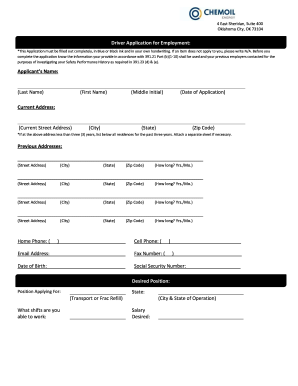

Keep track of your internship applications and deadlines! Download the Internship Application Tracker to keep all of your application information in one place.
Office of Management and Budget Internship Application Form. An official State of Delaware site.
May 24, 2016 Materials 1. Application Completed application form. . 2. Essay There are two required essays listed on the application form. They should be no


