




01. Edit your lawsuit form online
Type text, add images, blackout confidential details, add comments, highlights and more.

Type text, add images, blackout confidential details, add comments, highlights and more.

Draw your signature, type it, upload its image, or use your mobile device as a signature pad.

Send lawsuit template pdf via email, link, or fax. You can also download it, export it or print it out.
A lawsuit template is a pre-formatted document that outlines the structure and key elements necessary for filing a legal complaint. This document serves as a blueprint for individuals or entities looking to initiate a legal dispute, providing a standardized way to present claims, supporting evidence, and legal theories. The use of a template helps ensure that all relevant legal information is included and organized, making it easier for users to adhere to procedural requirements. It typically includes sections such as the parties involved, jurisdiction, factual background, claims for relief, and a prayer for relief. By providing a framework, a lawsuit template assists both legal professionals and individuals in preparing comprehensive documents that meet court standards.
The lawsuit template comprises several crucial sections essential for creating a legally sound document. These elements ensure that the legal filing is complete and adheres to procedural norms, reducing the risk of rejection by the court.
Parties Involved: This section identifies the plaintiff(s) and defendant(s), establishing who is initiating the lawsuit and who is being sued.
Jurisdiction and Venue: Detail the court's authority to hear the case and the appropriate location for the proceedings. Ensuring correct jurisdiction is crucial for the lawsuit's validity.
Factual Background: Provide a narrative of the case's foundation, outlining the events leading to the dispute. This part lays the groundwork for the legal arguments.
Claims for Relief: Clearly state the legal claims being made against the defendant, including the legal statutes or precedents supporting each claim.
Prayer for Relief: Specify the remedies or compensation sought by the plaintiff, which may include monetary damages, injunctive relief, or declaratory judgments.
Each section is vital for the document's legal effectiveness, and the template ensures these components are organized systematically.
Using a lawsuit template involves a systematic approach to filling in specific sections with relevant information. It requires careful attention to detail to ensure accuracy and compliance with legal norms.
Download the Template: Access a reliable source, such as a legal software application or a trusted legal provider, to download the lawsuit template. Ensure it complies with the jurisdiction's requirements where the lawsuit will be filed.
Assess Completeness: Before filling out the template, review all sections to understand the information required for each. This will help ensure no vital details are omitted.
Data Entry: Begin entering information into the designated sections, tailoring the narrative and legal arguments to the specifics of the case. Ensure factual accuracy and legal validity.
Review and Revise: Once the template is filled out, review it for any errors or incomplete sections. Consider seeking legal advice to ensure the document meets all procedural requirements.
Filing: Submit the completed lawsuit to the appropriate court with any required filing fees. Follow jurisdiction-specific procedures for submission to confirm acceptance.
Completing a lawsuit template requires attention to detail and careful organization of information. Here are step-by-step instructions to help guide the process:
Identify the Court and Jurisdiction: Determine the correct court and jurisdiction to which the lawsuit will be submitted. This impacts the template's language and structure.
Gather Necessary Information: Collect all details related to the case, including facts, dates, names, and evidence that support the claims outlined in the template.
Fill Out Template Sections: Populate each section of the template with the relevant information, focusing on clarity and coherence to support the legal arguments.
Review Legal Terminology: Ensure that the language used is legally precise, avoiding ambiguities and using accurate legal terminology where necessary.
Proofread and Edit: Conduct a thorough review to correct any typographical or factual errors. Verify that all sections are fully completed and logically structured.
Seek Legal Review: If possible, have a legal professional review the document to ensure compliance with all relevant legal standards and procedural rules.
The lawsuit template plays a critical role in meeting legal filing standards and ensuring clarity and coherence in legal arguments. It is essential for several legal tasks:
Pro Se Litigants: Individuals representing themselves in legal matters may rely on templates to ensure their filings meet legal standards without professional legal support.
Legal Professionals: Attorneys use templates to streamline case preparations, maintaining consistency and accuracy across various filings.
Compliance with Court Rules: Templates help in adhering to strict court protocols, ensuring all necessary information is included and properly formatted.
By standardizing the information presented, a lawsuit template reduces procedural errors and enhances the document's professionalism, making it an invaluable tool in the legal field.
Different jurisdictions may have unique requirements for filing lawsuits, which can affect how a lawsuit template is used. Understanding these variations is vital for ensuring a successful filing:
Jurisdictional Requirements: Each state may have specific rules regarding the format and content required in a lawsuit filing. Ensuring the template accounts for these is essential for acceptance.
Filing Rules: State courts may have varied protocol regarding electronic and paper filing of lawsuits. Knowing whether submissions must be electronic or in paper form can influence how templates are completed.
Additional Documentation: Some states may require additional documentation alongside the lawsuit template. Understanding these requirements can prevent delays and rejections.
Being aware of state-specific rules allows for accurate adaptation of the template to meet local legal standards.
Various individuals and entities may utilize a lawsuit template, leveraging its structure to streamline the legal process:
Individual Plaintiffs: Those pursuing legal action independently, such as in small claims court, often use templates to ensure proper formatting and compliance with court rules.
Legal Practitioners: Attorneys and legal aides use templates to maintain efficiency in creating legal documents for their clients, focusing on case detail instead of document structure.
Corporate Entities: Businesses involved in legal disputes may use templates to draft complaints or responses to suits, ensuring consistency in legal filings.
These users benefit from the organized, reliable framework provided by lawsuit templates, which helps present clear legal arguments.


Understanding key legal terms associated with a lawsuit template is crucial for its effective use:
Plaintiff and Defendant: The plaintiff is the party bringing the lawsuit, while the defendant is the party the suit is against.
Jurisdiction: The authority by which a court can hear a case, a fundamental criterion for initiating legal proceedings.
Relief Sought: Refers to the outcome desired by the plaintiff, such as monetary compensation or specific court orders.
Legal Precedents: Prior case rulings that may support the legal arguments presented within the lawsuit template.
Familiarity with these terms helps improve comprehension and effective usage of the template, enhancing overall case preparation.
At DocHub, your data security is our priority. We follow HIPAA, SOC2, GDPR, and other standards, so you can work on your documents with confidence.



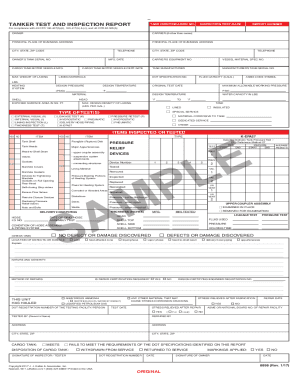
Dec 1, 2016 Download docx, 29.41 KB Download pdf, 1.01 MB Form. These Forms a particular court requires it. the type of pleading you want to file.
This Citation Style 1 template is used to create citations for news articles in print, video, audio or web.
Apr 12, 2021 Each defendant is sued both as principal and as the servant, agent, employee, co-venturer, and co-tortfeasor of the remaining defendants, andRead more


