
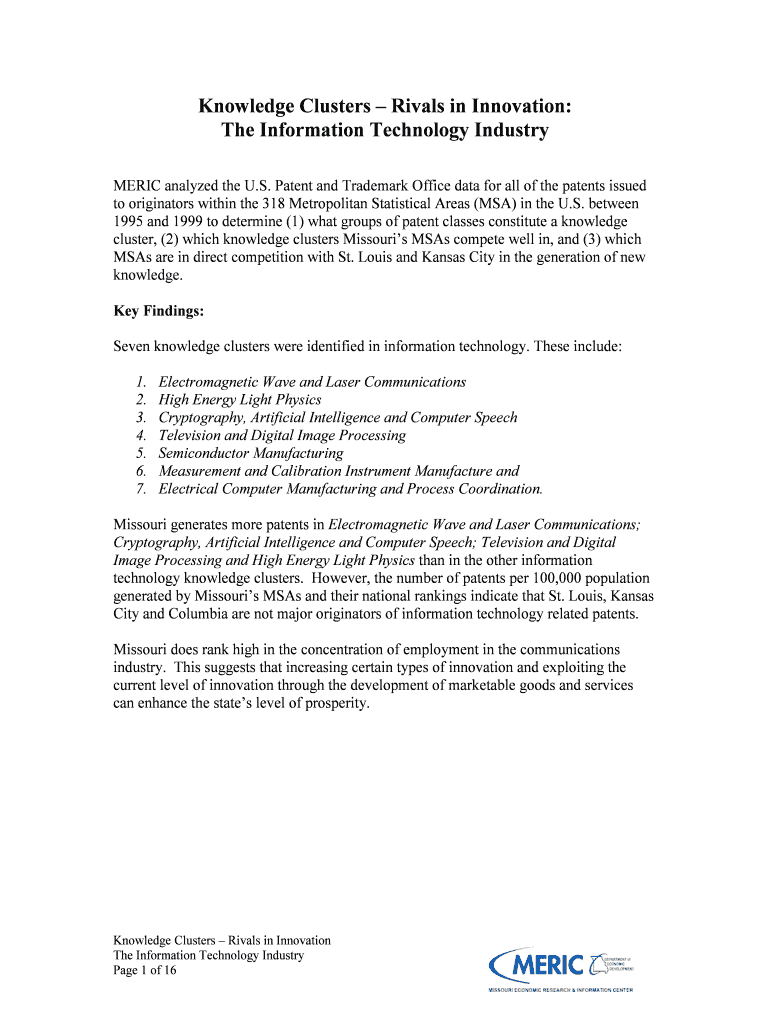







Definition and Meaning of the Information Technology Industry
The information technology industry encompasses all the activities related to the processing, storing, and transmitting of information. This sector includes various fields such as software development, hardware manufacturing, telecommunications, and IT services. It plays a crucial role in the global economy, facilitating the connection of businesses, governments, and individuals across the world. The industry is pivotal in driving innovations, improving efficiency, and enabling new business models that transform traditional operations.
Key Elements of the Information Technology Industry
Understanding the fundamental components of the information technology industry is essential for grasping its extensive influence on modern life. Central to the industry are:
- Software Development: This includes creating applications, systems software, and platforms that power devices and facilitate user interactions.
- Hardware Manufacturing: Encompassing the production of physical devices such as computers, smartphones, and networking equipment.
- Telecommunications: Involves the transmission of data over long distances, including services provided by internet service providers, mobile carriers, and satellite networks.
- IT Services: Covers a range of services such as consulting, systems integration, and outsourcing, which help organizations manage their IT resources and operations effectively.
How to Use the Information Technology Industry in Business
Businesses harness the power of the information technology industry to optimize operations, enhance customer experiences, and drive innovation. Here’s how businesses typically leverage IT:
- Efficiency and Automation: Implementing IT solutions automates routine tasks, reducing errors and freeing up human resources for more complex activities.
- Data Management: Advanced data analytics tools allow businesses to gather insights from vast amounts of information, enabling informed decision-making.
- Enhanced Communication: IT solutions facilitate seamless communication both within the organization and with customers, partners, and suppliers.
- Security Measures: IT provides robust security solutions to protect sensitive information and safeguard against cyber threats.
Steps to Implement Information Technology Solutions
Successfully integrating IT solutions into a business requires a structured approach. Below are the steps to consider:
- Assessment of Needs: Identify areas where IT can add value and provide solutions to existing problems.
- Budget Planning: Allocate resources based on cost-benefit analyses, ensuring ample investment in both hardware and software.
- Vendor Selection: Choose reputable vendors for hardware, software, and IT services to ensure quality and reliability.
- Deployment: Implement the chosen IT solutions, ensuring minimal disruption to existing operations.
- Training: Ensure staff are trained to use new technologies effectively.
- Monitoring and Maintenance: Continually assess performance and make adjustments as needed to ensure optimal functionality.
Who Typically Uses the Information Technology Industry
The information technology industry serves a wide array of users and sectors, each with its unique requirements:
- Businesses: Across all industries, from small startups to large multinational corporations, IT is used for streamlining operations, enhancing productivity, and enabling remote work.
- Governments: Utilize IT to improve public services, increase transparency, and ensure robust cybersecurity measures.
- Healthcare Providers: Leverage IT for patient record management, telemedicine, and improving the quality of care.
- Educational Institutions: Use IT for online learning platforms, administrative management, and fostering collaborative environments.


Legal Use of the Information Technology Industry
As IT solutions are regulated by various laws and standards, it is imperative to understand compliance requirements, including:
- Data Protection Laws: Such as the General Data Protection Regulation (GDPR) in Europe, which governs the handling of personal data.
- Intellectual Property Laws: Protect software and other IT-related patents and copyrights.
- Cybersecurity Standards: Ensure that IT systems meet security protocols to protect against data breaches and cyberattacks.
State-Specific Rules for the Information Technology Industry
Differences in state regulations can affect how businesses operate within the information technology industry. It is crucial to:
- Understand Local Legislation: Each state may have varying privacy laws, cybersecurity regulations, and IT-specific compliance requirements.
- Taxation: Certain states offer tax incentives for IT companies, which can influence location decisions for businesses.
Software Compatibility within the Information Technology Sector
Choosing compatible software tools is essential for ensuring seamless operations. Consider:
- Integration Capabilities: Software should easily integrate with existing systems and platforms.
- Industry Standards: Adhering to industry standards ensures compatibility with future technological developments and updates.
- Cross-Platform Support: Provides flexibility for businesses to operate across different devices and operating systems.
These detailed sections provide comprehensive insight into various facets of the information technology industry, essential for anyone engaging with or operating within this dynamic sector.




