







Understanding SC87130 Relator Brief DOC - Courts MO
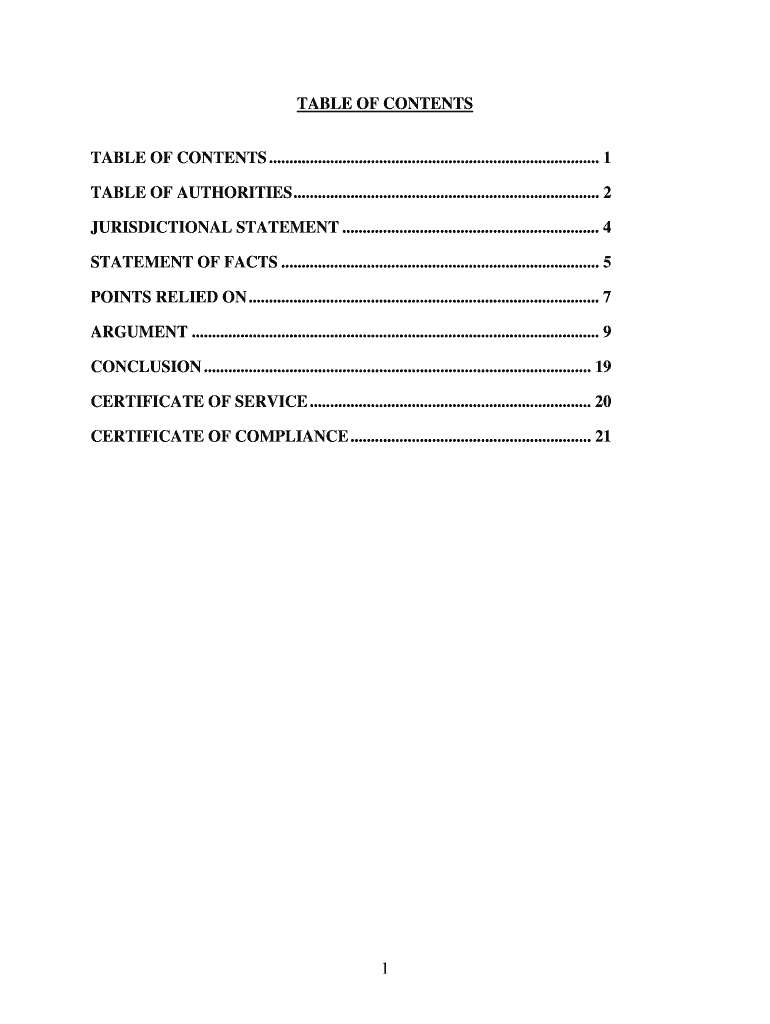
The SC87130 Relator Brief DOC pertains to a legal document filed in Missouri courts commonly associated with relator briefs. Relator briefs are critical in cases involving qui tam actions where a whistleblower or relator brings a lawsuit on behalf of the government against entities accused of defrauding the state. This document outlines arguments, jurisdictional statements, and facts pertinent to the case being addressed, ensuring that the court understands the relator's position and rationale.
Key Components of the SC87130 Relator Brief
-
Jurisdictional Statements: These establish the court's authority to hear the case, often detailing the legal grounds for selecting Missouri as the venue. They clarify why the case falls under the court's purview and ensure the proceedings are legitimate within Missouri's legal framework.
-
Facts of the Case: This section presents a detailed recount of all relevant facts involved, providing the context and circumstances pertinent to the issue at hand. It includes actions taken by involved parties and pertinent timelines, giving the court a comprehensive understanding of the situation.
-
Points Relied Upon: Here, the relator or legal representatives detail the specific legal points and precedents that support their argument. They highlight principal claims, applicable Missouri laws, and previous case rulings that might influence the court's decision.
-
Legal Arguments: This section elaborates on the rationale behind the relator's claims. It provides a logical and legal basis for the relator's assertions, often comparing statutory interpretations and suggesting how the law should apply in the current circumstances.
Drafting and Filing the SC87130 Relator Brief
Steps to Complete the Document
-
Begin with Research: Understand the statutory and case law relevant to your issue in Missouri. This foundational knowledge will help you articulate informed arguments and reinforce your points.
-
Gather all Facts: Collect evidence, witness statements, and any relevant documents that support your case. This comprehensive data forms the bedrock of your factual recount.
-
Formulate Arguments: Develop concise yet compelling legal arguments that underpin your claims. Every statement must directly relate to the issue and reinforce your position.
-
Draft and Review: Outline your arguments and facts clearly. Review several times for accuracy and completeness, ensuring robust support for every assertion you present.
-
File the Document: Once drafted and thoroughly checked, file the document with the Missouri court system following the specific procedural rules and within the filing deadlines to ensure acceptance.
Importance of the SC87130 Relator Brief
Relator briefs like the SC87130 are essential as they empower private individuals to act in the public interest, assisting in uncovering fraud against the government. Presenting a well-composed brief can uphold legal integrity, safeguard public resources, and incentivize lawful conduct within corporations operating in or with the state of Missouri.
Legal Context and Application
The SC87130 Relator Brief is used primarily by legal professionals representing whistleblowers. The document ensures the legal issues are clearly presented in Missouri courts, aligning with state and federal legal principles. Understanding its content and application is crucial for legal practitioners working with qui tam actions to effectively argue on behalf of their clients.
Examples and Practical Scenarios
Consider a scenario where an employee uncovers fraudulent billing practices at a healthcare facility claiming unreimbursed funds from a government program. As the relator, this individual would work with legal counsel to file a SC87130 Relator Brief, detailing the discovered misconduct, the regulatory breaches entailed, and arguing for the applicability of Missouri law in prosecuting the fraud.
Missouri-Specific Rules
Missouri has specific procedural rules governing the acceptance and handling of relator briefs, underscoring the need for precise adherence to formatting, submission guidelines, and deadlines. Understanding these regulations is critical for any legal practitioner or relator engaging with the state’s judicial system on such matters.




