




01. Edit your form online
Type text, add images, blackout confidential details, add comments, highlights and more.

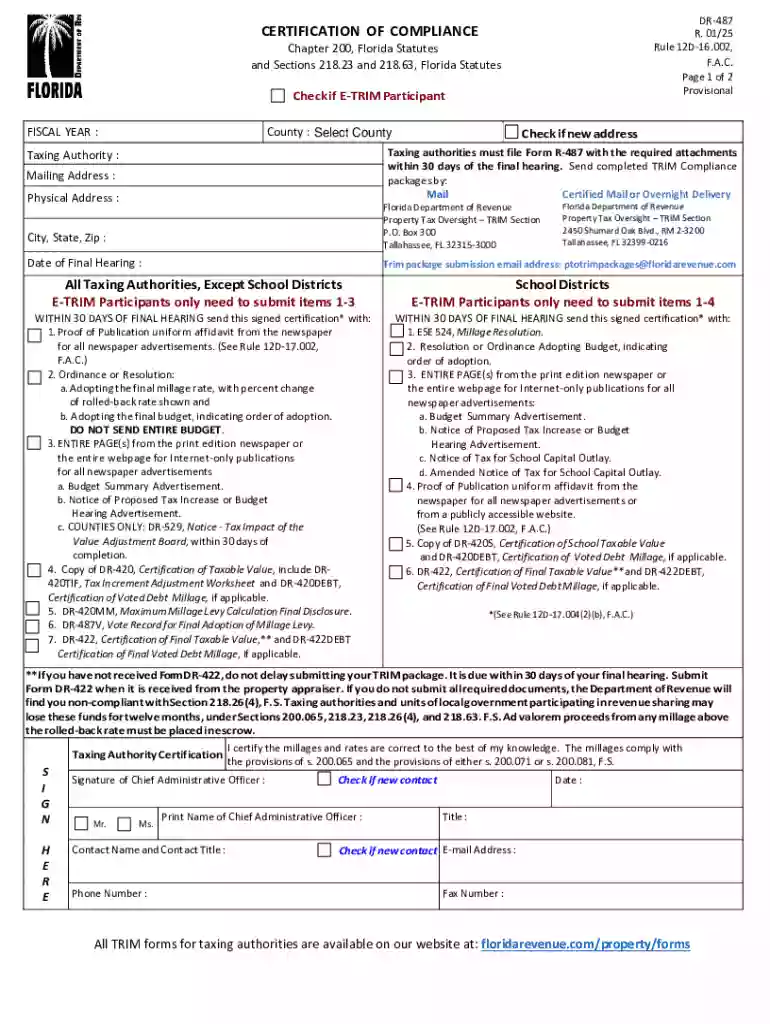
Type text, add images, blackout confidential details, add comments, highlights and more.

Draw your signature, type it, upload its image, or use your mobile device as a signature pad.

Send it via email, link, or fax. You can also download it, export it or print it out.
The Certification of Compliance is a formal document that verifies an entity's adherence to specific laws, regulations, or standards. Typically, this certification is issued by an authoritative body to affirm that a company or individual is meeting all legal and regulatory requirements applicable to their operations or activities. This document serves as a testament of compliance, ensuring stakeholders, including partners, customers, and regulatory agencies, that the entity operates within the legal framework.
Completing the Certification of Compliance involves several key steps that ensure accurate and thorough documentation of compliance adherence.
Gather Necessary Information: Start by collecting all pertinent data regarding the specific regulations or standards that apply to your operations. This might include safety protocols, environmental regulations, or fiscal compliance details.
Identify the Certifying Body: Determine which authority is responsible for issuing the Certification of Compliance in your industry or area of operation.
Prepare Supporting Documents: Compile any documents that demonstrate your compliance, such as inspection reports, safety audits, or financial statements.
Complete the Application Form: Fill out the certification form provided by the certifying body, ensuring all sections are accurately completed with the collected information.
Submit the Form: Depending on the issuing authority, you may submit your form online, by mail, or in person. Pay attention to any submission guidelines or deadlines.
Await Review and Decision: After submission, your application will be reviewed. The evaluation may include site visits or additional information requests.
Receive Certification: Once approved, you will receive your Certification of Compliance, which can be displayed as proof of compliance.
A comprehensive Certification of Compliance should include several critical elements to ensure it sufficiently meets regulatory and business needs.
Identifying Information: The name of the entity or individual being certified, along with contact details and business identifiers like Tax ID or Employer Identification Number (EIN).
Certifying Body Details: Information about the authority issuing the certification, including official stamps or signatures for authenticity.
Scope of Compliance: Clear specification of the regulations, standards, or areas that the certification covers.
Validity Period: The date of issue and expiration, indicating the timeframe within which the certification is valid.
Conditions and Limitations: Any specific conditions under which the certification is granted and potential limitations that recipients should be aware of.
Acquiring a Certification of Compliance requires understanding and navigating through specific processes dictated by the certifying authorities.
Research Requirements: Before seeking certification, research the specific requirements relevant to your industry and ensure full compliance.
Select the Appropriate Certifying Body: Each industry often has designated certifying bodies responsible for issuing compliance certifications.
Application Submission: Follow the designated application process, which may include application fees, detailed documentation, and compliance evidence.
Meet Evaluation Criteria: Be prepared for inspections or audits designed to verify compliance. Ensure all internal processes adhere to the necessary standards before scheduling evaluations.
Respond to Feedback: If the certifying body provides feedback or requests further information, respond promptly and address any areas that require improvement.
A Certification of Compliance serves significant legal functions and can be imperative in various formal and business proceedings.
Regulatory Filings: Present the certificate while filing mandatory reports or applications with government agencies.
Contractual Obligations: Use the certification to affirm compliance in contractual agreements with partners or clients, ensuring legal adherence.
Litigation Defense: During legal disputes, especially related to compliance issues, the certificate can serve as evidence of adherence to regulations and potentially mitigate liabilities.
The Certification of Compliance is utilized by a variety of entities across different sectors. Understanding who typically requires this certification can help determine its necessity for your organization.
Businesses: Corporations often need certifications to validate compliance with industry-specific regulations such as environmental standards, safety laws, or financial regulations.
Government Agencies: Regulatory bodies might require certifications as part of licensing or routine checks.
Non-profits and NGOs: Organizations operating in regulated environments or those receiving government funding may need compliance certifications for transparency and adherence.


Understanding key terminology related to the Certification of Compliance is crucial for accurate interpretation and application in varied contexts.
Compliance Audit: An internal or external review process designed to assess an entity's adherence to regulatory requirements.
Regulatory Body: An official agency responsible for establishing guidelines and regulations that industries must comply with.
Non-compliance: The failure to meet prescribed regulations or standards, potentially leading to legal ramifications or penalties.
Certification Revocation: The process by which a certifying body may cancel a certification due to non-compliance or fraudulent practices.
Certification requirements can vary significantly by state, necessitating careful consideration of state-specific regulations for compliance.
California: Known for stringent environmental regulations, businesses may require additional certifications related to emissions and waste management.
Texas: In the energy sector, the state has specific compliance requirements related to safety and operational standards.
Florida: Tourism-related businesses might have unique certification needs due to state-specific health and safety regulations impacting the hospitality industry.
We've got more versions of the Certification of Compliance form. Select the right Certification of Compliance version from the list and start editing it straight away!
At DocHub, your data security is our priority. We follow HIPAA, SOC2, GDPR, and other standards, so you can work on your documents with confidence.
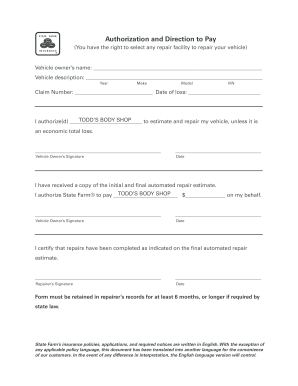
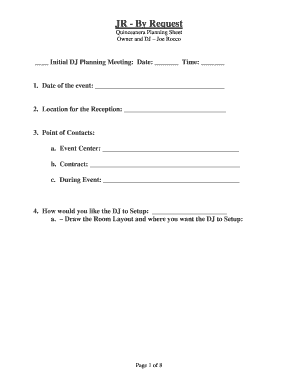

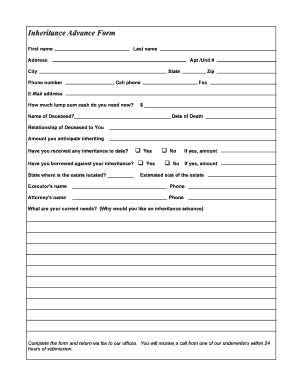

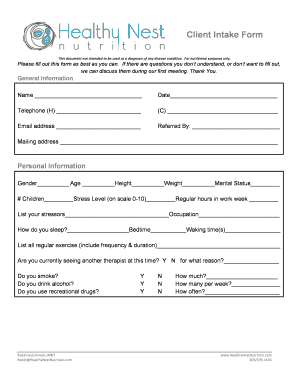
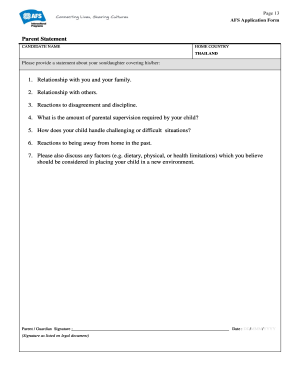
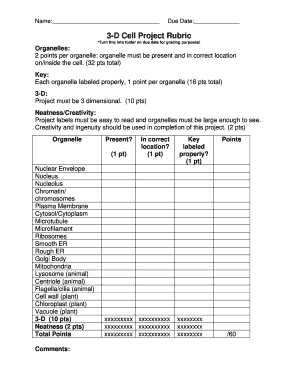
The online Compliance Certificate provides the fundamental knowledge of compliance and related legal issues necessary to implement protocols or programs.
The Certificate of Compliance will be issued if ALDOR is able to verify that an entity has filed all returns required to be submitted and paid the taxes shown


